In the fast-evolving world of cryptocurrency, high network congestion and steep gas fees can quickly eat into your hard-earned profits. Whether you are trading micro-caps, swapping tokens on decentralized exchanges (DEXs), or interacting with smart contracts, optimizing your operational costs is essential. Combined with a solid staking strategy, you can build a sustainable stream of passive income while protecting your portfolio from unnecessary overhead.
Understanding the Burden of Gas Fees
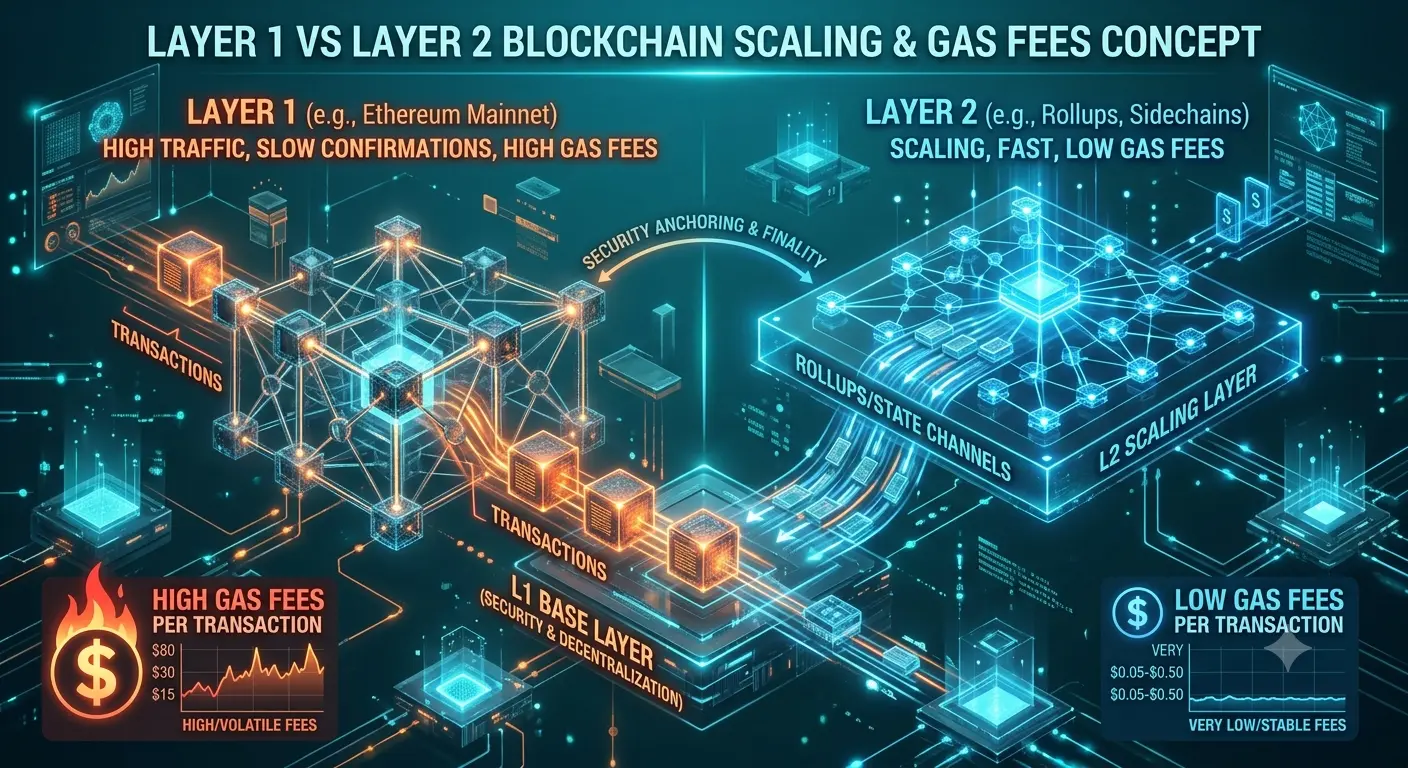
Gas fees are the transaction payments made to network validators or miners to process transactions on a blockchain. High demand on networks like Ethereum during peak market volatility can drive gas prices to astronomical levels.
To minimize these costs:
Utilize Layer-2 (L2) Scaling Solutions: Networks such as Arbitrum, Optimism, and Base process transactions off the main chain, delivering up to 90% lower fees while maintaining mainnet security.
Timing Your Transactions: Network activity drops significantly during off-peak hours (typically late weekends or early UTC mornings). Monitoring gas tracking dashboards helps you execute swaps when network demand is lowest.
Set Custom Slippage and Gas Limits: Avoid failed transactions—which still consume gas—by adjusting your wallet's priority fees according to real-time network conditions.
Unlocking Passive Income Through Crypto Staking
Staking allows holders of Proof-of-Stake (PoS) cryptocurrencies to earn yield by participating in transaction validation. Unlike active trading, staking offers predictable passive income while you hold your underlying assets for long-term appreciation.
Key staking approaches include:
Flexible Liquid Staking: Protocols like Lido or Rocket Pool allow you to stake assets (like ETH) while receiving derivative tokens (stETH) that remain liquid for use in DeFi platforms.
Exchange & On-Chain Savings: Platforms offering flexible staking pools give beginners an easy entry point, though native on-chain delegating usually yields higher annual percentage returns (APY).
Yield Aggregators: Automated DeFi protocols automatically compound your rewards, maximizing your returns over time without extra manual transaction costs.).
Balancing Risk and Reward
While staking offers lucrative returns, risk management remains vital. Always account for impermanent loss when providing liquidity to automated market makers (AMMs), lock-up periods that may restrict asset withdrawal during sudden market shifts, and smart contract vulnerability risks.
Diversifying across blue-chip PoS assets and highly audited protocols is the safest path to long-term wealth accumulation in Decentralized Finance (DeFi