
Let's look at the data. Global retail crypto activity reached $979 billion in Q1 2026-an 11% decline from last year, its second consecutive quarter of contraction. On the surface, this appears to be a slowdown. But this is what the headlines are missing: crypto adoption is fracturing along the lines of the global monetary system. Some countries are withdrawing while others are investing further, and their reasons provide more insights into crypto's future than any price chart could.
The Divergence: Speculation versus Necessity
Retail crypto activity is shrinking in developed economies. South Korea saw a 31% drop, Germany 25%, the UK 13%, and the US 11%-higher interest rates and a stronger dollar have made holding crypto less appealing to speculators. However, in emerging markets, the situation is entirely different. Turkey, one of the few major markets to expand, grew 7% year-over-year to $40 billion. India only slipped 6% despite the global downturn, while Venezuela rose from #22 to #17 in rankings. Why is there a difference? In these regions, crypto is not about speculation; it is a necessity.
Venezuela: Survival, Not Trading
Venezuela ranked 17th globally with $17.9 billion in retail volume, with a significant portion of this activity being in stablecoins. On Binance's P2P platform, 90% of active listings in Venezuela are for USDT, reflecting the fact that ordinary Venezuelans are using crypto as a shadow dollar system for financial survival, driven by currency instability, sanctions, and lack of banking access.
The Regulatory Shift: 2026 is Different
2026 is proving to be a pivotal year for digital assets with increased regulatory clarity. The EU's MiCA framework is fully implemented, and the US is seeing the GENIUS and CLARITY Acts advance. Singapore and the UAE are also taking leadership roles. PwC identified six key regulatory trends for 2026: enforcement of stablecoin regulations, implementation of tokenized money (CBDCs and tokenized bank deposits), and heightened consumer protection standards for licensed firms. The era of regulatory uncertainty is ending, which is a massive boost for institutional adoption.
Emerging Markets Are Moving Fast
This is a critical part that is largely overlooked. In 2026, Pakistan's central bank lifted its 8-year crypto ban, while Hong Kong issued its first stablecoin licenses to entities like HSBC, and Israel approved a shekel-pegged stablecoin (BILS) on Solana. Turkey jumped to #5 in global adoption ranks. These developments are more significant than many realize; Pakistan was already ranked #3 in global crypto adoption before the ban was lifted and is now poised for further growth, with stablecoins serving as the primary settlement method in emerging economies.
The Stablecoin Story
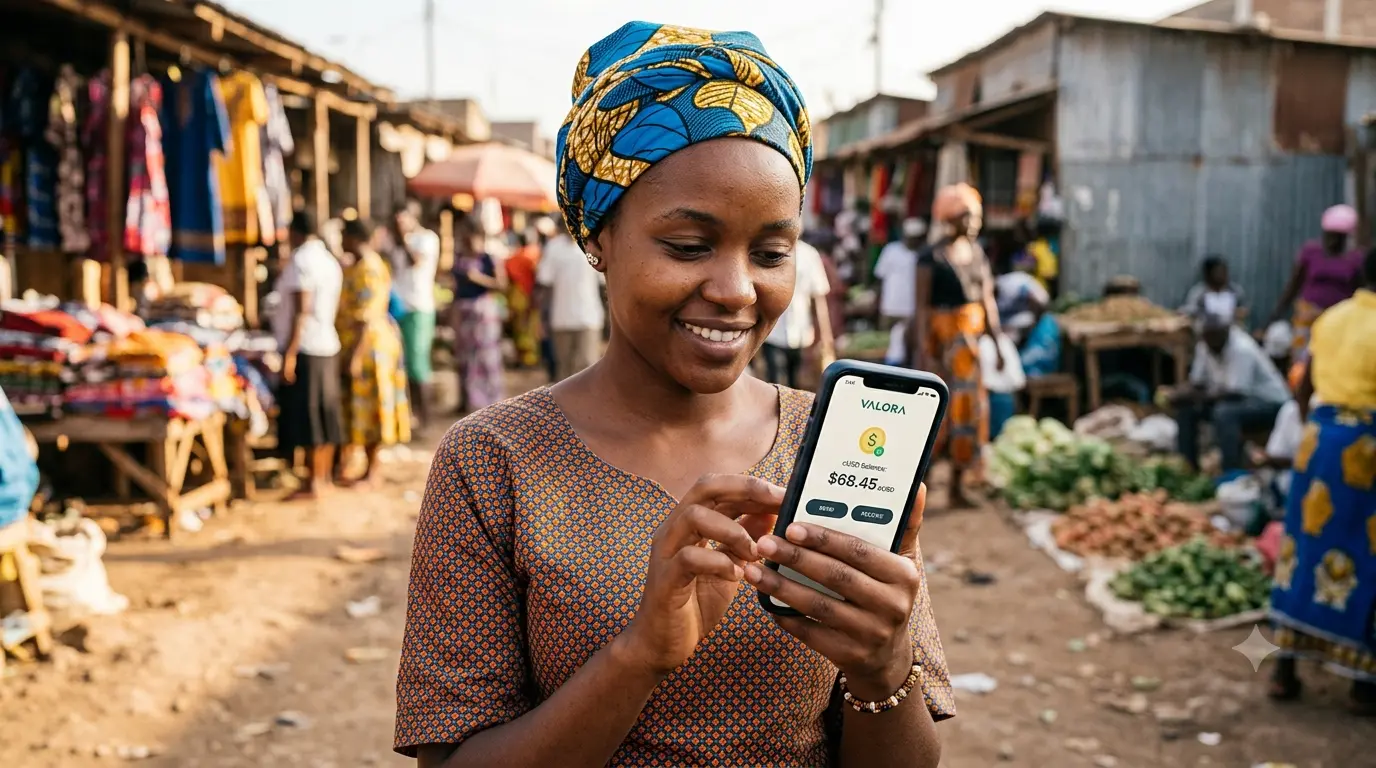
This is the silent revolution. With over 10% of the dollar supply held offshore, crypto, especially stablecoins, offers a 24/7, globally accessible alternative. Stablecoins have reshaped the dollar's role in emerging markets, moving from physical bills to digital ones for remittances, trade settlement, everyday purchases, and business transactions. For the digitally inclined, using digital dollars is as commonplace as using a smartphone, and its adoption will grow alongside global smartphone penetration.
What This Means for You
If you're involved in crypto, do not focus solely on the US market. The real story is in countries where the traditional financial system has failed, where people use crypto not to get rich, but to survive, making adoption far more robust than simple FOMO.
The Future is Digital Dollars
The dollar's future is becoming digital, through a combination of CBDCs and predominantly stablecoins. This shift, coupled with institutional adoption and increased crypto inflows, represents a new paradigm driven by treasury holdings, the offshore dollar market, stablecoin transaction volumes, and robust institutional investment and regulatory clarity. The age of uncertainty is concluding; the age of utility is dawning.
Final Thought
2026 feels fundamentally different. The fervor of 2021 has subsided, the trauma of 2022 has receded, and what remains is tangible adoption, genuine regulation, and real utility. The industry is evolving from speculation to infrastructure, presenting immense opportunities for those who understand this transformative shift. What are you watching in 2026? Drop a comment below.






