
Pi Network
The Pi Network, launched on March 14, 2019, has quickly grown to include over 60 million users, known as "pioneers." The project promotes itself as a free-to-mine cryptocurrency accessible via mobile devices, aiming to democratize cryptocurrency by making it widely available. According to the Pi Network website, the goal is to "put power into the hands of people worldwide for a fairer, more distributed crypto." This vision of becoming the future of social cryptocurrency in the Web3 space has gained substantial support, as evidenced by the large user base. However, despite its impressive growth and ambitious goals, the Pi Network has recently faced several issues causing growing anxiety among its users. These inconsistencies have led to confusion and frustration among pioneers, threatening the project's stability and future growth.
Elon Musk Rumor
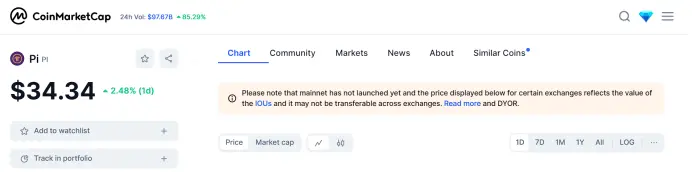
Recently some Pi Network enthusiasts started a rumor on social media that hinted at the possibility of Elon Musk giving his support of the project by accepting Pi coin as a payment method for tesla or other ventures. As you can imagine, this little buzz stirred up some excitement amongst the Pi community. Elon has not since made any official comment mentioning his endorsement nor has anyone from the Pi team made any official statement, which has been detrimental to the support the project is receiving. Confused pioneers seem to be losing interest in the project as the price of the coin has gone from $47 down to about $30 at the time of this article. (https://www.hokanews.com/2024/03/unraveling-mystery-elon-musks.html)
Note: The Pi Coin is not currently available for trading on any exchange and holds no tangible value until the open Mainnet is launched. Also the price of the coin is reflective of the IOU aspect, which are essentially promises to pay the coin's value in the future mirroring the anticipated worth once it's tradeable by the exchange.
Hacking Incident
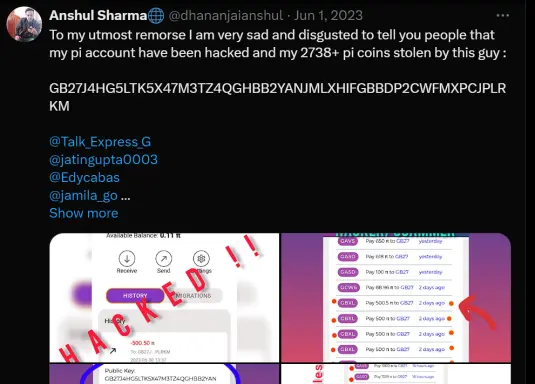
Earlier this year in June a pioneer by the name of Anshul Sharma reported through social media that his account had been hacked and he had lost over 2,738 Pi coins. Anshul included the wallet address used by the hacker as a warning for other pioneers. The Pi team, as far as I have seen, has not made any official mention of this incident, but have reported consistent work at upgrading the networks security as they continue to improve their KYC process and overall security measures. The team has urged users to adopt best practice habits like utilizing two-factor authentication, using strong passwords, and avoiding third party services that could be potentially malicious. (https://newsway.com.ng/pi-network-user-reports-hacked-account-sparking-community-concerns/)
Unauthorized Exchange Listings
That leads me to the next cause of user anxiety for this project, which is the reports of unauthorized third-party exchange listings. Several third-party exchanges have attempted to list Pi Coins or tokens claiming to be Pi without any consent or involvement of the Pi Network. As the network stands it is currently an enclosed Mainnet and the team has explicitly stated that it has not and will not approve of any listings until the open Mainnet is launched. These exchanges are listing the coin as IOUs which equates to a promissory note that is not backed by Pi whatsoever. While the Pi Network has not specifically mentioned pursuing legal action, their efforts to communicate with exchanges and request the removal of unauthorized listings indicate a proactive approach to protect their users and maintain the integrity of the network.(https://coinmarketcap.com/currencies/pinetwork/)
KYC and Migration Issues
Finally, what is in my opinion the most prudent anxiety pioneers have been facing is the delays and difficulties surrounding the KYC and Mainnet migration issues. The Pi Network has faced several challenges in reference to its KYC process and Mainnet migration which has made an impact on the Pi community. In November and December of 2023 a large amount of KYC applications were delayed because of data mismatches and missing information. The team however, implemented a comprehensive reprocessing effort which unblocked hundreds of thousands of applications by improving data extraction algorithms and allowing users to resubmit clearer documents. There have also been issues that were not resolvable algorithmically and have been addressed by the team with the introduction of manual fixes and validators. Furthermore, improvements have been made to the liveliness check process to capture face angles and run enhanced algorithms to reduce blocked cases in the future and to ensure the authenticity and security of user accounts.
Mainnet Migration has been directly affected by the KYC issue only adding to the delay of the open Mainnet launch. Initially the launch was expected in 2022, then later projected for 2024. As it stands the team has stated that this years "Pi2Day 2024 marks an essential milestone for Pi Network--it's the last Pi2Day before we launch Open Network!"(https://minepi.com/blog/pi2day2024/)

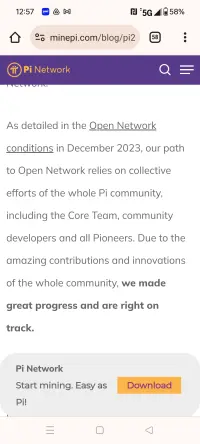
The article released by the Pi team for Pi2Day explores the progress made to reach open Mainnet extensively. They have said that they are giving a grace period of 6 months from July 1st for the community to complete the tasks required to migrate to the open Mainnet and any delays due to systemic errors will not be counted against them. The team claims that the open Mainnet will be launched before 2025 which may give the pioneers who have strayed away from the project incentive to revert back to supporting the project and reclaiming the impressive user based support they have had for so long. But I would expect that if the team can't hold true to their word that the resulting loss of support may be enough to bury this project, which would be a shame after how long the pioneers have been loyally standing by in anticipation for this.






