
I'm going to make a rough guess and posit that more than 97% of the world with computing use a GUI (graphical user interface) type operating system to understand what they digitally. Whether it's email, social media, movies, saving files, communicating or even programming, the masses are hooked on a windows style GUI whether it be Apple, Microsoft Windows or Android. The reason is obvious, "point and click" is easy. It's intuitive, and anyone can do it. However, that culture also hides how computers work, and when you don't know how something works, then you have to rely on someone else to build it, fix it, change it, or recycle it. That makes people dependent, which is really ironic for a state of being that puts so much pride these days on being "independent."
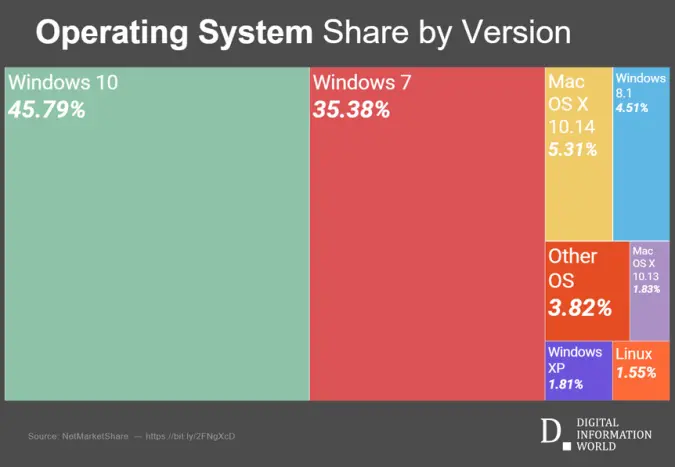
Data in chart as of 2019, source: https://www.digitalinformationworld.com/2019/07/global-operating-system-market-share.html
Learning Linux, however, forces people to think. You have to learn a language, like you would going to another country. You have to understand how that language words, and you have to work through the limitations of that language to realize what you want to see happen. It doesn't come easy, and you don't become fluent in a day. But once you get to know Linux, it really changes how you interact with a computer, a network and the Internet.

image source: Laurentius de Voltotina, Direct Media Publishing, Wikipedia, public domain, June 2021.
When it comes to programming, I'm usually the guy in the back crying or sleeping to avoid the thought of algorithms and arrays.
I chose to force myself over this year to work only in a Linux environment when working on my own time. At first, while I had taken some classes to learn Linux functions, I didn't really have a good grip on the operating system, and I had to do a lot of reference. However, just like learning a real language, I'm moving my way through the water into deeper and deeper areas each day. Eventually, I fully expect to be running a full lamp stack system and a miner in Linux and nothing else from non-Linux programs.
More importantly, however, switching over to Linux proactively has forced me to think bigger about how a computer interacts with a high level language system (what we as humans understand versus 0s and 1s in machine language).
I wish I had gotten into it sooner, and I did try. I remember actually getting a Red Hat package back in the day when software was still bought in a box with a book guide inside it. However, because there were no Linux classes easily available, I had no idea what it meant or how to install it. Now, given how easy it is to install an Ubuntu platform, I laugh at what I missed and was in my hands at the time (kind of like when I could have bought BTC at $800 a coin).

Long story short, if you really want to know computing and all that goes with it, get your hands dirty with a Linux distribution. Build your own computer so you have the setup you want. I would recommend the following so you're totally overpowered for anything since Linux's footprint is so light versus MS Windows:
- Mid-tower chassis, $60
- Gigabyte AM4 motherboard, $100
- Ryzen 7 CPU (or 5 if you want cheaper, both work great), $300
- 32 gigs DDR4 RAM, $180
- Basic keyboard and mouse, $50
- Gigabyte videocard with 4gigs on it, $400 (you can go cheaper with 2 gigs and the cards are easier to find but some high graphics won't work well).
- A monitor, $100-200
Total cost is about $1,200, or you can get a basic gaming laptop at Costco for about $1,000 that does much of the same but is portable. Then build that sucker and load Linux for free. Once in with a distribution like CentOS or Ubuntu, you will feel a bit underwhelmed at first, but once you realize everything you add from that point free, you're going to go bonkers with the possibilities.
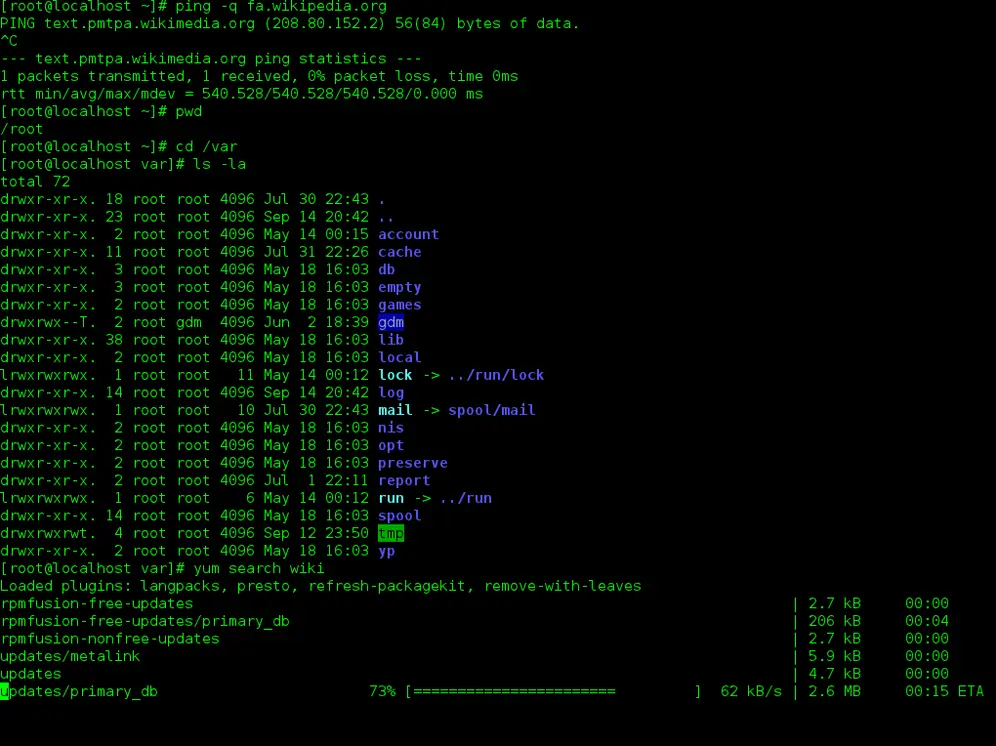
Image source: Wikimedia Commons, Wikipedia, 2021.
And the more you learn, the more you will realize there are lots of different versions of Linux OS out there for different needs and purposes too. But best of all, you will start to actively manage your computer instead of letting the manufacturing tell you what toys you work with in an update.
Try it, you might actually like Linux a lot. And the real IT world will start to open up for you as well.








