
Like most things with new technology, the reality of how new tools come about and how they work usually doesn't match what we imagined it would be. For many years the idea of artificial intelligence was played with in books and then Hollywood with a number of very beneficial versions becoming very popular.
Our Past Framed Expectations
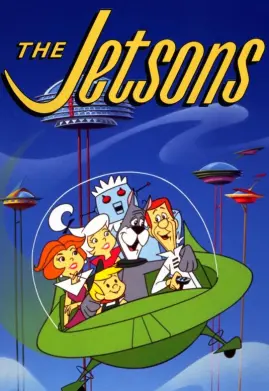
In some respects, many of us grew up with the idea of technology in the future with popular cartoons like the Jetsons. All of the themes were involved with helpful tools and appliances, as well as robots that had their own ulterior motives. However, eventually, humans figured out how to manage it and keep normal life going.
Movies with notorious or popular tech characters like Hal in 2001: A Space Odyssey as well as the Star Trek food generators and holodeck as well as cognizant robots in Star Wars and other popular stories all gave us a glimpse of what tomorrow's technology could bring us. Then, Terminator arrived, and we scared ourselves silly with gritty reality of tech genocide of humans.
We romanticized the idea that human tenacity would win despite insane odds, but there was always the dystopian flavor in the background that eventually the robots would outlive us. That reached a zenith with the Matrix franchise and the question of whether there every would be a balance between humans and AI.
The Real Future is a Bucket of Cold Water
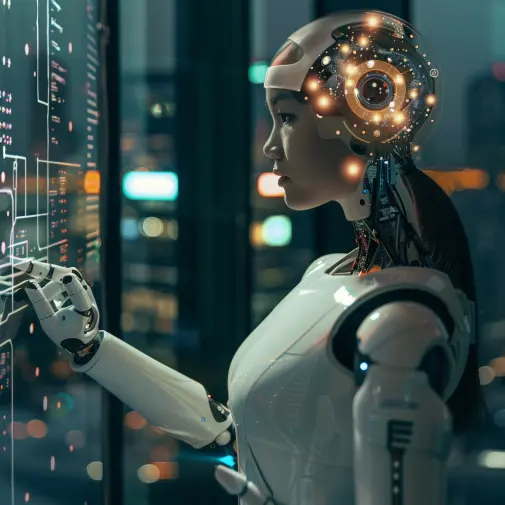
The reality of today's AI is anything but Hollywood. Instead, it has followed the same path as previous technology, starting with the easiest low-hanging fruit to replace with automation and working up from there. For a good amount of time since the late 1990s there has been chatter that much of what the modern work world does would be replaced by technology. That included the two biggest employers of human labor: manufacturing and service jobs. The key factor in both was redundant work, i.e. doing the same thing over and over again. Where it could be programmed, technology could easily replace people as well as operate much longer in 24/7 activity versus broken up in shifts.
Factories with the money were the first to apply robotics, but the threat of technology replacing people still seemed far off. Robots on big assembly lines were rare and didn't seem to extend a presence into the world of 99 percent of the rest of workers. However, the accessibility of basic AI into common intelligence work, that being the world of writing, communications, art, programming, and generally anything people produce as a service or intellectual work became a reality. The last three years have been telling about the tidal wave of change occurring everywhere now.
Companies can't be trusted to look out for workers either. Their motivations are profit, pure and simple. If automation can operate at a lower cost than 1,000 employees and an ROI can be achieved within a short time window, you can pretty much bet in Vegas with low risk those 1,000 people will be laid off within a year or less. This story has played out again and again across multiple industries. Even extensive software development isn't a safe harbor, as seen with notable layoffs of special teams in Google and Apple.
Thinking About Tomorrow
I'm currently at a very unique and temporary point of being able to look labor and technology through multiple perspectives. My own situation is nearing the tail end of my career and preparing for retirement. But my daughter is just starting her adventure into the work world in a few years, specifically in data management. So, I have the ability to see where everyday technology has been and where we're going between the two of us. 50 years from now, she'll probably be having the same experience. I'll be gone by then, probably, but the impact and reflection will be similar.
A Likely Outlook
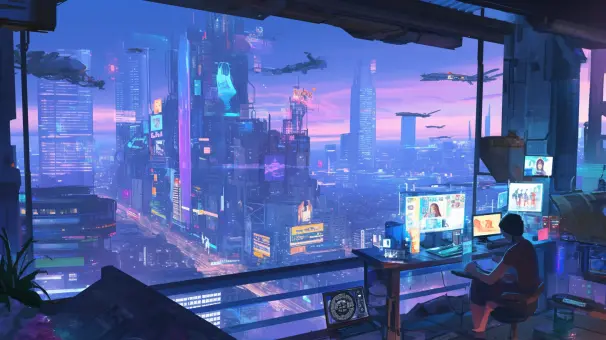
I think the future is probably a lot closer to the urban bleak worlds of Bladerunner 2049 and the consumer cage of Ready Player One than an enlightened society. That's mainly because government and business continue to be on the same path as they have been the last 30 years of just thinking about territory and gain versus infrastructure and overall improvement. It will take some dramatic reshaping of society to trigger a widescale leap forward. In the 20th century that was, unfortunately, World War I and II. I can't even venture what it will be in my daughter's lifetime, but I suspect change will be driven by the results of population compaction, resource limits, and health. What AI will be at that point will likely be pervasive and integrated with every task people do, and its vulnerability will be the need to be connected and powered, like all things electronic. So blackouts and loss of access will be the tidal wave events that impact life regionally as nature does to us today.
Companies like OpenAI and Google are quick promise the opposite, but the proof will be what actually develops. The world is already dramatically different for my children than what I had in my 20s starting my career life. And AI will be for them what DOS and Windows was for me I suspect, which is a bit of a scary prospect. If you think about it, we are ending the era where everyone was digitally decentralized; now we're moving towards a hive mentality with digital presence and usage. It's the kind of stuff dystopian movies and books love to churn on.






