
Folks are picking up on thrifting. Neighbors, companies, and communities have been regularly dropping off perfectly good things, tools, toys, clothes, parts and furniture. Granted, it's all been used, but that doesn't mean it can't be used again, some items for plenty of years still. However, because discounted and used goods with plenty of worth are valuable again, especially thanks to inflation, people getting laid off from jobs and tariffs, as well as the fact that multiple generations today want things from their childhood, used stuff is selling.
So, that means a whole lot of folks are online buying stuff. And it also means a lot of people a catching on that thrift stores can be very good places to find deals to resell. Unfortunately, it's also a quick way to lose a lot of money getting caught up in the thrift trend FOMO. Here's why - someone says something is hot. It could be a type of clothes brand, a board game, a type of tool or even some vintage antique ceramic plate. Whatever it is, the statement is verifiable; folks can look it up and see, "oh my gosh, it's really selling!" So they go out and buy everything remotely similar to that item, plus anything physical near it as well. That can be tens, hundreds and even thousands of dollars. There's one problem; now they have a whole bunch inventory they had to pay cash up front for, and it's not selling. What happened? Well, aside from the fact that there's a whole bunch of other people with half a brain doing the same thing, there's also simple economics at play.
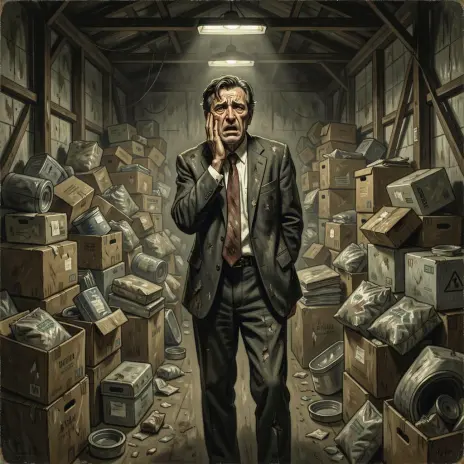
Economics in its most basic form says when everyone wants something and there's few of it, it becomes valuable. When there's plenty of inventory of that thing, it becomes common. This is called "supply and demand." They work in inverse. Low supply, high demand. Vice versa, high supply, low demand. And price is a dingy little boat swinging on the giant waves moving back and forth.
So, ignoring this point makes it easy for a person to really screw up trying arbitrate thrift goods to real sales. Instead, a new buyer needs to sit down and study their market first. Pick one niche. It doesn't matter what it is, baseball cards, shoes, garden tools, toys whatever. As long as it's something the person has a good handle on what is common and what is rare and, more importantly, what sells, then they can find traction. As one market channel comes together, it becomes possible to add a second, methodically growing sales and income while minimizing risk.
Just picking good channels is not enough, however. A buyer also needs to actively research on an ongoing basis. For myself, I started with IT books. But there's also a lot of trash out there. For example, you can easily find Adobe Photoshop books in any thrift store, but they don't sell. It doesn't matter if the book is only priced at $1, it's a loss because nobody wants them. However, old vintage tech books are another story. There's a niche of folks out there, whether it be for research or hobby building, who want and like obsolete books on IT from the 1980s or earlier. And the right ones do sell. The difference is to check the title before buying it. With a modern smartphone, this is actually pretty easy to do. Even with the eBay app and nothing special, you can scan the ISBN code on the back of the book or just type in the title and author name, and you're going to get a decent idea whether something is worth the trouble of buying or not.
There are plenty of phone app tools that promise to find valuable treasures in thrifting, giving a buyer critical comparisons to value databases as they scan goods in a store. These are big promises, and the catch is in the subscription. Most of these services are not cheap, charging as much as $30 a month or more to use. That's a cost one has to add to their recovery, in addition to the cost of buying the goods, travel, shipping, internet costs and phone costs. It all adds up and cuts into profit. So unless that app is doing really good stuff, it may not be worth the trouble versus just looking things up with free tools.
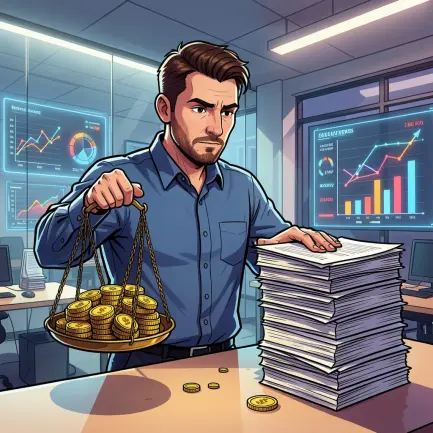
Then there is your risk tolerance. After all, you have to buy the thrift goods to be able to sell them. Some folks try to float the cost and not buy until it sells, but this usually backfires. The item is gone by the time they get back to the store to buy it. Instead, if you do find a potential gem, you then have to be willing to take a risk and buy it to be ready to sell. Everyone has their tolerance level. This can be a handicap or, with the lack of risk judgment, can be almost gambling. Ideally, one wants to be in between the two, taking some risk and landing some good opportunities without losing the farm.
I can find some really good choices, but I let them go because the cost is not really a deal and the selling opportunity is low. Then there are other times when I find a book or tool, it costs nothing but it takes time to sell, sometimes as long as months. Yet, when it does, my profit margin is 500 or even 1000 percent. I can't give readers a perfect formula for this; with thrift buying and selling arbitrage, you have to find your formula that works for your combination of risk, financing, selling and time to make it all work.
Making profit from thrifting is more of an art than a business process. Those who find success in it do so consistently whether times are good or bad because they know how to adjust and how not to overextend their game. Try to focus on your long game with thrift arbitrage and it will pay off. Rush into it for the latest trend, and you'll just be another sucker.
Resources:
https://www.statepress.com/article/2020/09/specho-the-noxious-progression-of-thrifting-culture
https://mustangnews.net/depop-paying-the-bills-lending-a-hand-in-sustainable-fashion/






