I do a lot of testing and experimenting in the crypto world, hopefully finding that gem once in a while that will take off for the proverbial moon. Doing so exposes me to a lot of risk. Scams about just about every third click, and most of them are automated now, which means they happen faster than I can reasonably respond to shut them off. So, I have to come up with a better way to anticipate those pitfalls before they do damage.
Multiple Wallets are Your Friend
The biggest problem people have that contribute to their wallets being drained tends to be using one primary wallet for everything. The fact is, when you connect a wallet to anything, it opens up a door via smart contracts into your secure savings. So, why bother opening up that door all the time to your primary vault? Why not use a secondary wallet for interaction, and then the only thing that connects to your main savings are the wallets you control? This approach is not new; it dates back to military times when a zone called “no man’s land” or a “demilitarized zone” was but in place as a buffer to prevent surprises by the enemy. Both sides reinforced it quickly, and these DMZs became very effective against most probing except maybe full on, full-scale offenses. They also became very costly in losses for those attempting lesser penetrations.
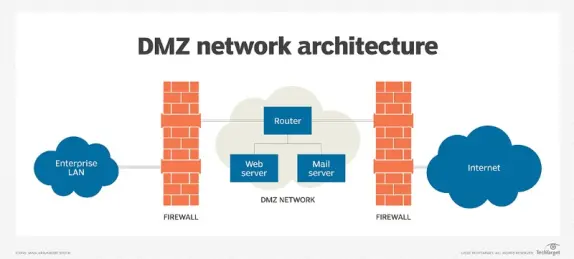
https://www.techtarget.com/searchsecurity/definition/DMZ
DMZ for short, it’s a concept IT security has also applied for years in traditional network theory. The DMZ allows interaction with the outside with exposing core elements of the network. Most organizations today utilize a cloud approach for a DMZ, while still maintaining a core network protected behind the connection. TechTarget provides the image above and a nice summary article on the topic from a network perspective.
Probes happen 24/7, but they are well-detected for all but the fake authorized log-in. That’s why phishing and whaling have become so popular as a primary attack, authorized access is still the Achilles’ Heel of IT security, but that’s a topic for another article.
How to Get Other Wallets?
Multiple wallets are pretty easy to set up. In fact, most can be set up to work from your mobile since various networks and projects like to push their own app. You could go the easy route and just set up a multi-account wallet like Trust, or you could go for specific wallets to the networks you work the most in, like Phantom for Solana and big coins. Either way, you use the secondary wallet for contact, and your primary wallet for most of your savings, never letting the latter connect to anything in Web 3.0.

Doesn’t it Get Confusing at Tax Time?
Not really. Just about every account has a transaction record on the related explorer. All you need to do is put in the wallet receipt address and up comes your history of inbounds and outbounds. If you’re savvy with spreadsheets, you can download the history as a CSV file and manipulate it with pivot tables. If you’re a wiz with JavaScript, you can create tools to summarize the info and give you a running report on where you are with your account etc. And if you know none of the above, your wallet still gives you a history of what’s happening in your account.
How to Keep Things Organized?
I generally manage my wallets from my phone. It seems to be easier than on a computer. I put all my DMZ wallets in one folder, and then I put my important stuff with my real savings in a different folder. That way I never make the mistake of tapping into the wrong account in the middle of the night to grab some opportunity being conscious of which folder I’m actually in. No surprise, my DMZ folder has a lot of a wallets, which I only fund enough to get anything done. That way, if they are compromised, the chump doesn’t get much of anything except being exposed. If that happens, I just delete the wallet account and start over fresh.
Think this is overkill? Well, just consider all the stories of big crypto pros who’ve been at the zenith of crypto expertise getting their wallets drained of $50,000 or more. Here are a few examples:
-Watching draining in realtime.
Wallet attacks happen more than people think, usually through bots that work in seconds, and it’s entirely preventable. Remember, prevention costs pennies; damage control costs everything.