
When you first get an ASIC, used or new, the first gut reaction is to plug it in and get started. That's a perfectly normal, wrong response. The fact is, a good ASIC can draw as much power as a refrigerator or microwave. And that power demand can more than blow a home or apartment circuit, causing you have a frustrating experience resetting your fusebox. Why?
Most modern homes are built to handle 15 Amperes or Amps of current per circuit. Each room is generally a circuit. Homes have multiple circuits, but apartments may only have two or three (one dedicated to the kitchen with appliances and the other two for living spaces). When you consider the typical big appliance can eat up as much as 12 Amps or more of circuit load, that leaves very little room for other electronics, and definitely doesn't leave any room to handle an ASIC.
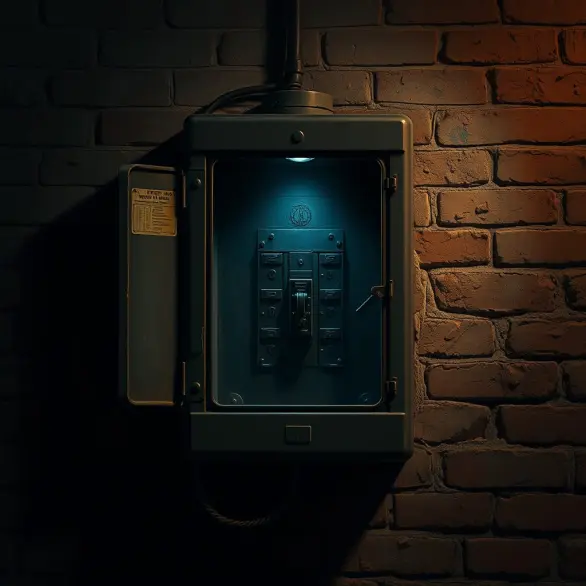
A little background - Amps are the flow rate of electricity through a circuit. Think of it like how fast water moves through a pipe or channel. More Amps mean greater flow. Each wall outlet is simply a stop on a given circuit for that room. The circuit starts and ends back at the circuit breaker or a junction connected to the circuit breaker. Ultimately, each circuit goes to a fuse box with the circuit breakers installed. This is for safety. When a circuit wiring gets too much load, it gets hot. Without a safety valve or fuse to stop the flow at a limit, it could otherwise start a fire after the wiring insulation burns off. Most times, the fuse pop works, and the flow stops. Sometimes, especially on circuits that are overloaded, the flow gets too hot anyways; the burning smell is intentional as another warning that an electrical fire is starting. However, if no one is around, a home fire is a risk.
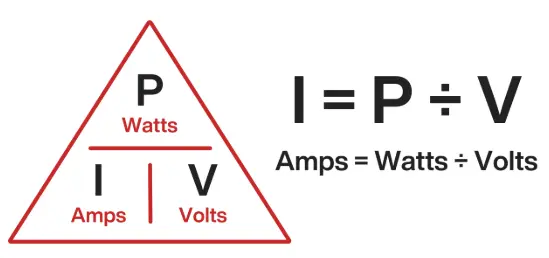
In any case, Amps can be calculated via watts divided by voltage. So, if we know the typical voltage is 120 for a room circuit, then adding up the watts gets us the Amp flow demand. ASICs operate like refrigerators, they can hit a max level of power, but they fluctuate based on the demand of the calculations being processed. That said, an ASIC running 1,200 watts will need 10 Amps, and a unit running 1,600 watts tops will need 13.3 Amps. Both clearly hit near the limit of a standard room circuit. It's normal to assume a bit less for apartments, especially with older wiring.
Now, if a room has a 220 volt circuit, the Amp load is lower, regardless of the high wattage demand. This is why, for example, laundry rooms or garage circuits for washing machines are designed with a bigger power socket. But, people rarely plug an ASIC into their washroom.
So, where the heck does one plug in an ASIC, much less two? Assuming the noise is not a problem, one ASIC alone could be handled in a room with very little of anything else. But that's not how most people live. A room with a PC running a 700 watt PSU and an ASIC will blow the circuit there when both peak. So, the alternative then is to upgrade the wiring. That might not be an option for an apartment home, but it definitely is doable for a homeowner. And, if you're going to upgrade, why not do it with capacity? Adding two 20 Amp new circuits is an ideal choice, adding two ASIC loads with plenty of room for other small electronics as well and lighting.
Whatever the choice, just remember to plan first before plugging in and firing up that ASIC.
Now, it is possible to at least test an ASIC without fearing you're blowing the entire fusebox. Just plugging it in without running a chain is doable and can test a unit to make sure it's working. Just do it in a room where not much else is going on other stuff is unplugged, just to be safe.






