
The Diplomatic Evaluation
The Iranian government is currently evaluating the United States' formal peace proposal. According to Tehran's Foreign Ministry spokesperson, Esmail Baghaei, the U.S. counterproposal—responding to Iran's original 14-point framework—is actively under review, though no specific implementation timeline has been disclosed. A definitive end to the conflict between Iran and the U.S. is a critical pivot point; global energy markets, inflationary trajectories, and broader monetary policy expectations for both the Federal Reserve and the European Central Bank hinge heavily on its outcome.
The Terms of De-escalation
Iran is reportedly pursuing a temporary ceasefire as a baseline, with the intention of later reopening structural negotiations with the U.S. regarding its nuclear program. Furthermore, any proposed truce would need to extend beyond Iranian territory to encompass Lebanon. Meanwhile, Donald Trump has signaled an imminent end to the war. However, market participants remain skeptical, noting this is not the first time the administration has issued optimistic rhetoric without delivering a credible, long-term cessation of hostilities.
All Eyes on the Strait of Hormuz
While Iranian authorities claim that dozens of cargo vessels have successfully transited the Strait of Hormuz after receiving specialized clearing permits, global markets demand a credible and durable reopening. The primary requirement remains the unhindered flow of crude oil to international distribution hubs.
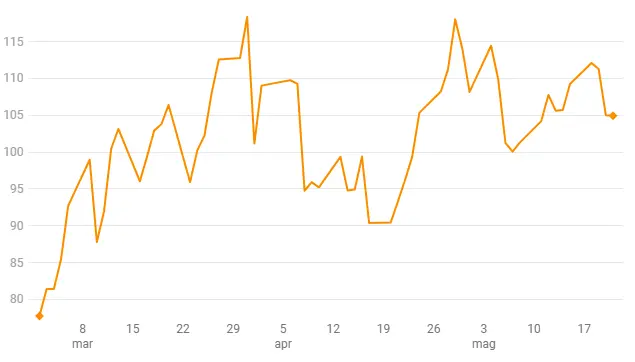
Consequently, Brent and WTI crude futures are sustaining relatively high valuations, though they remain below the peak spikes recorded in late April. This elevated baseline persists despite periodic warnings from market operators and international agencies like the EIA regarding the finite capacity of emergency oil reserves available for release.
The Impending 'Summer Red Line'
The window for a resolution is narrowing. Since the onset of the hostilities, energy and macro specialists have consistently pointed to the upcoming summer season as a critical red line. A prolonged shipping freeze past this threshold risks triggering a severe, supply-shock-induced global recession.
The Erosion of Long-Term Concerns
Looking at short-term Brent crude futures, structural concerns have begun to ease. Very few market participants are now betting on a permanent, multi-month economic bottleneck stemming from the Strait of Hormuz. This shift in positioning is driven partly by alternative logistics channels operating at higher capacity, and partly by the broader financial markets' persistent, systemic optimism, which consistently prevents worst-case medium-to-long-term projections from pricing in.
Monetary Policy Implications and Central Bank Dilemmas
Nevertheless, the resolution of the Hormuz gridlock remains a key driver for upcoming monetary policy decisions across major central banks. The European Central Bank (ECB) remains deeply divided on its next steps, while the Federal Reserve’s latest FOMC minutes revealed a clear hawkish contingency: policymakers stand ready to implement additional interest rate hikes if inflationary pressures fail to show meaningful stagnation.
These necessary inflation improvements remain intrinsically tied to a verified, total reopening of Hormuz. This structural dependence stands even though the United States itself imports negligible direct energy volumes from Persian Gulf nations.






