
There are products people actually use. And there are products people remember having — but never touch.
You know that feeling. You download the app, go through onboarding, get the card, maybe top it up once. And then it just sits there because the one time you actually needed it — when you wanted to move money fast — something broke down. The bank flagged the transaction, there was an unexpected fee, or the transfer took three days to clear. Exactly at this moment the card went back to being invisible.
Remember: Topping Up Isn’t a Feature — It’s the Entry Point
When product teams think about cards, they usually focus on cashback rates, spending limits, and supported countries. All of that matters, but there’s something that comes before all of it in the user journey — the moment when someone decides: “Okay, I’m going to use this today.”
That moment comes down to one question: how easy is it to put money on this card right now? Not in general — but right now, in this person’s specific situation, with whatever money they actually have. Because different people keep their money in different places, and if a card only connects to one of those places, it silently locks out everyone else.
Four Real Situations
Situation 1. Someone is at the airport, 40 minutes to their flight, needs to pay for parking — card balance is zero. They open the app, tap “Top up via Apple Pay,” and the money is there in ten seconds. The card gets used, and a habit starts forming. If that top-up had taken 15 minutes through a bank transfer, they would’ve grabbed a different card and never thought about this one again.
Situation 2. A trader just closed a profitable position. They’re sitting on USDT in their spot wallet. They don’t want to withdraw to a bank account, pay the conversion fee, and wait for the funds to land — they just want to spend some of that money tonight. A card that lets them top up directly from their crypto balance is their card. Anything that makes them jump through extra hoops isn’t.
Situation 3. A freelancer gets paid in euros into a European bank account. They’re based somewhere else, and they’re tired of the constant back-and-forth conversions eating into their money. What they need is simple: open the app, send a SEPA transfer, and have the card ready for everyday spending the next day without any extra steps in between.
Situation 4. A long-term holder. They’ve got ETH, BTC, and stablecoins sitting on an exchange. They’re not looking to sell, but they want some liquidity for day-to-day expenses. A “convert to spend” function — where they can move assets from their exchange account directly to the card without ever touching an external address — is exactly what they need. One action, and they’re spending without leaving the ecosystem.
Four people, four different places where their money lives, four completely different reasons to top up. A card that covers all four becomes a universal tool. One that covers only one becomes a niche product that most people never really adopt.
How This Plays Out in Practice: Let’s Consider Three Cards
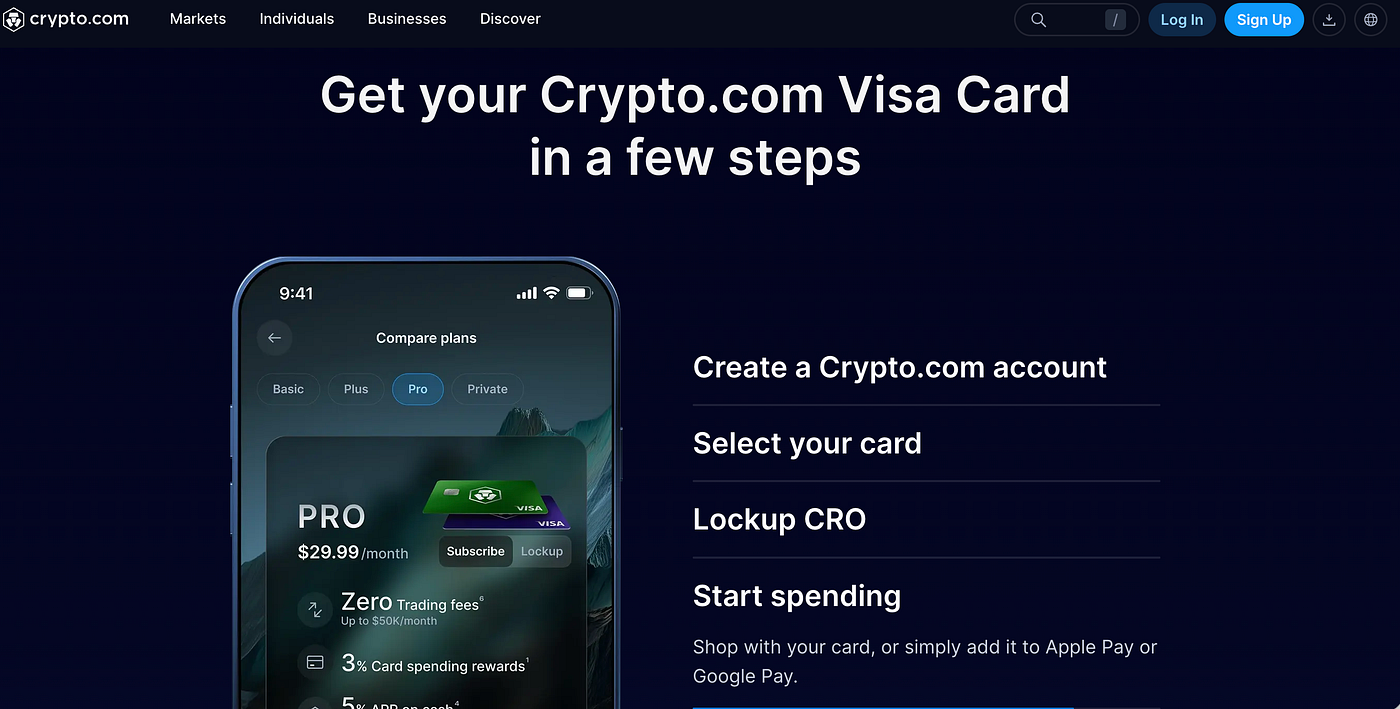
Remember the freelancer who was tired of conversion fees eating into every payment? If they were already holding CRO and staked around $5,000 worth, the Jade Green tier would’ve been paying for their Netflix, giving them lounge access at the airport, and returning cashback on top of everything else. At that point the card stops feeling like a payment tool and starts feeling like a membership. Whether that’s worth locking up the capital is a personal call — but for someone already in the ecosystem, the math can get pretty interesting pretty fast.
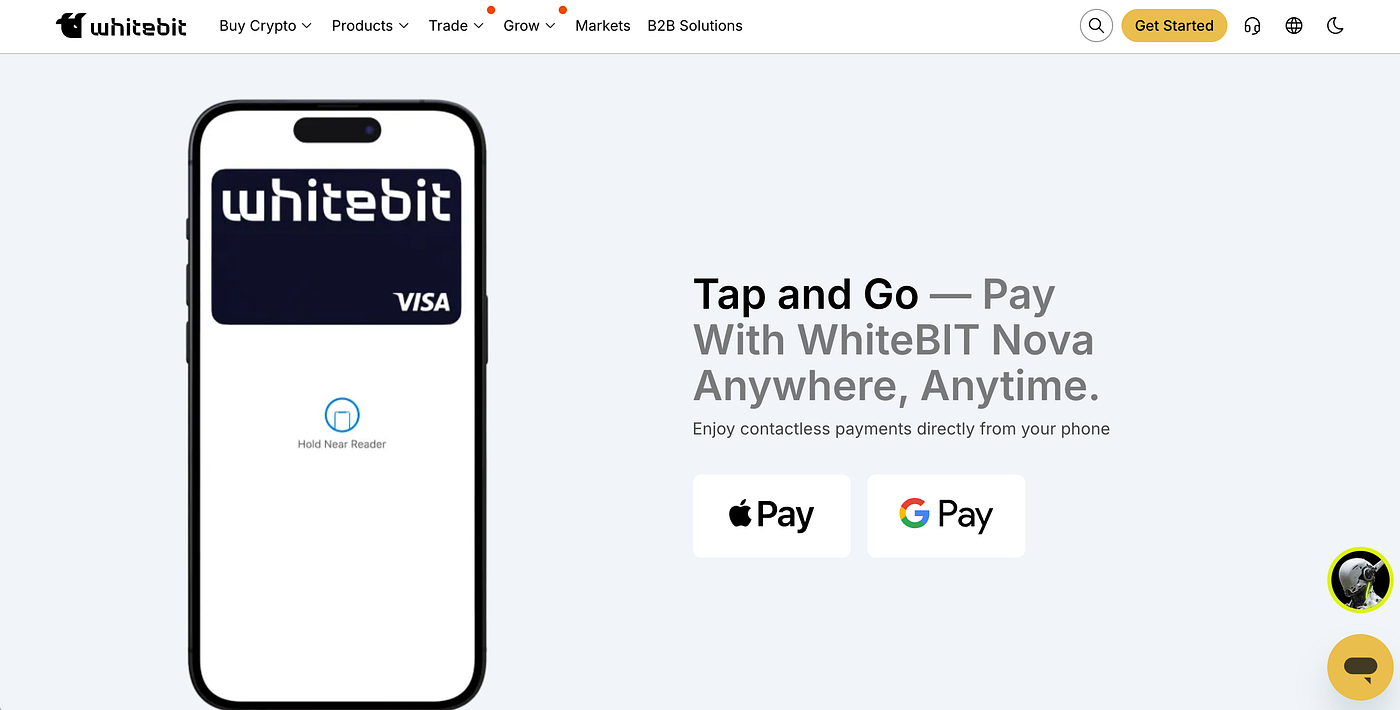
Let’s bring back that freelancer one more time. Euros land in his European account, he does a SEPA transfer to Nova Card — and then he picks his three cashback categories: subscriptions at 10%, taxis at 5%, groceries at 1%. Now every Uber, every Netflix payment, every grocery run is quietly stacking real BTC in the background while he’s just living his life. Honestly the thing that got me most is the subscription cashback — because who among us isn’t paying for like six streaming services we definitely need all of at the same time. On $300 a month in subscriptions alone that’s $30 in BTC back, every month, automatically. Not life-changing money, sure — but tell that to yourself in three years when you check the balance.
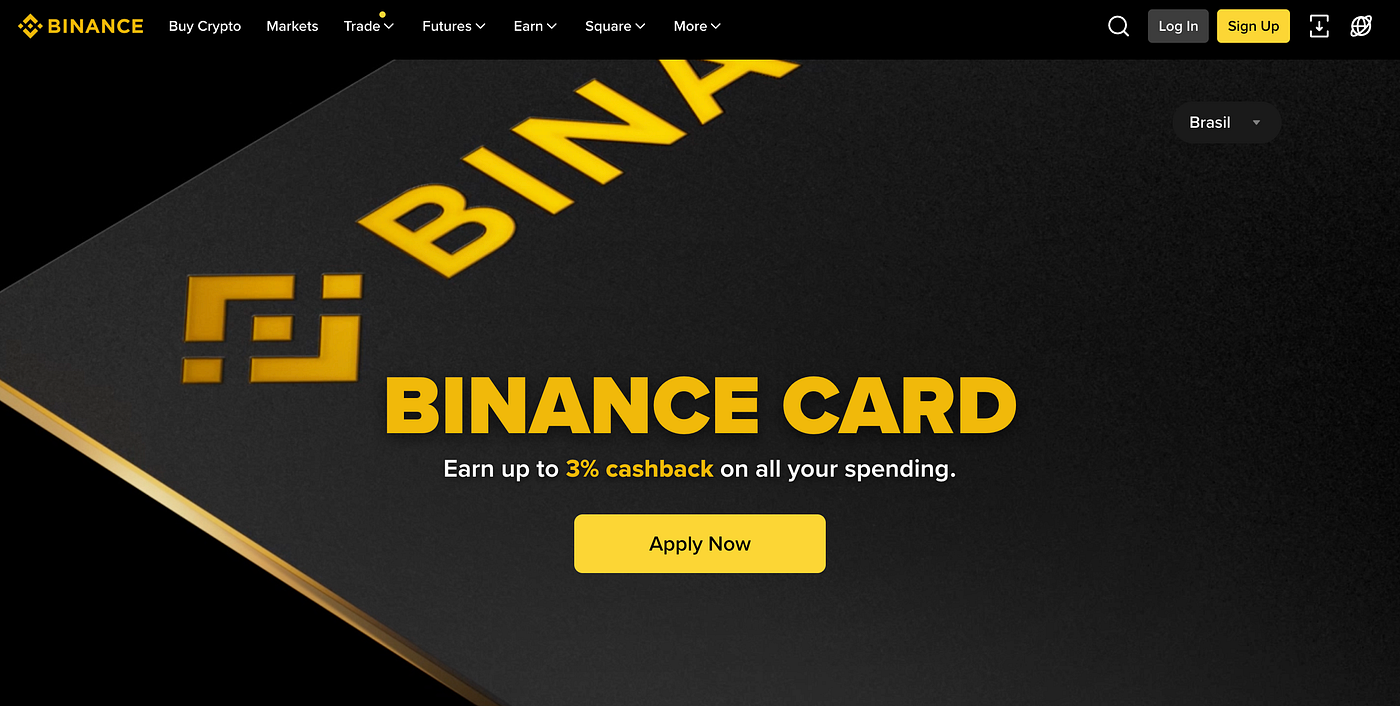
So that trader from the second scenario — the one who just closed a position and wants to spend some USDT tonight without the whole withdraw-convert-wait routine. This card was basically made for that moment. Your exchange balance becomes your spending balance, conversion happens at the point of purchase, and you don’t have to touch a single extra screen to make it work. Cashback up to 3% lands in your wallet monthly, and if your funds are sitting in a Flex Earn account earning yield in the meantime — they keep earning right up until you spend them. Which is a nice way to live, honestly.
What This Means for the Market
Crypto cards are at an interesting inflection point right now. The regulatory framework in Europe is settling down, MiCA is giving the market clear rules to work within, and institutional interest in crypto payment infrastructure is growing. What that means in practice is that the next two or three years won’t be a competition over who can issue a card — it’ll be a competition over whose card actually gets used.
The winner in that competition will be whoever best solves a deceptively simple problem: making it possible for a person, whatever format their money is currently in, to start using the card today without unnecessary steps along the way. That’s what frictionless onboarding actually means when it moves from a LinkedIn buzzword into a product decision. It’s a specific engineering and UX challenge that directly determines whether a card becomes part of someone’s daily life or just a nice-looking option they occasionally remember exists.
Which of these four top-up scenarios do you run into most often when talking to clients or partners?
Disclaimer: This is not financial or investment advice. Do your own research before making any decisions. Use at your own risk.






