Tell me about my bottom fishing, bottom fishing may not necessarily be in the lowest position, but it will be relatively the safest position, and may not make the biggest profit, but will certainly make a profit, that is, bottom fishing. The fear of higher interest rates has not been fully unleashed, and the currency market, because of its small size, has not yet become a major force for the exit, but the decline in liquidity and capital flows remains unstoppable.
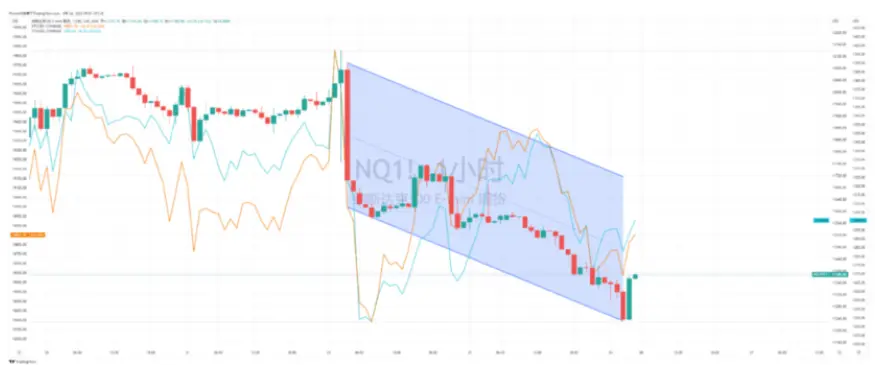
It may or may not be the bottom, though that looks like rubbish. But when macro sentiment is unstable, it's like gambling. There is no problem if it is a fixed bet, which would probably be a relatively low position, if not a bottom. But if it is to ensure the effectiveness of investments, not to bet on long-term holdings, the Fed now has the authority to follow. Keep saying the same thing. Don't go against it. The current "momentum" is the Fed, and the line that manifestly runs the Fed is CPI, so it is important to confirm before investing that the Fed wants to compete with inflation, regardless of whether it sacrifices the economy and unemployment, even if it confronts the Democrats. That question, apart from Mr. Powell and a handful of FOMC votes, may be hard to answer. But a rate hike in March is still on the horizon. The Fed is certainly flirting with inflation, and three 75 basis point rate rises in a row, and the expected 75 basis point increase in November, are essentially the upper limit the Fed can achieve. Economists have repeatedly speculated about the Fed's concessions, expecting that the Fed might not stay strong, but that failure has brought repeated failures, another low in risk markets, and even a new low in the BTCUSD standard.
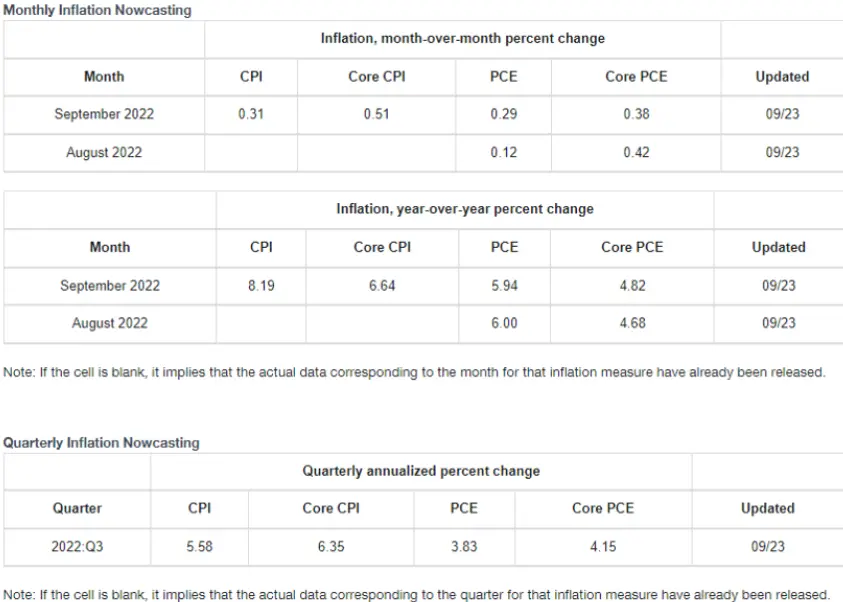
So, in the long run, the October CPI and the November rate hike should be the last game of the year. If October's CPI does not show lower-than-expected inflation and shows a falling core CPI, it will be left to gamble that the Fed's face will be 75 basis points in the week before the mid-term election, 50 basis points in December, or even 5% in the terminal rate in 2023. This means that the first interest-rate hike in 2023 (in February) will most likely be 50 basis points. If this is the case, who can say it is the bottom now, or even that it is hard to expect a bottom in November, bottom-fishing will wait until the end of the year or the beginning of the year. There were a lot of kids who said I was going from brainless to brainless, and my answer was the same, I was neither bullish nor bearish, I was looking at trends. It's the return on your money that matters.
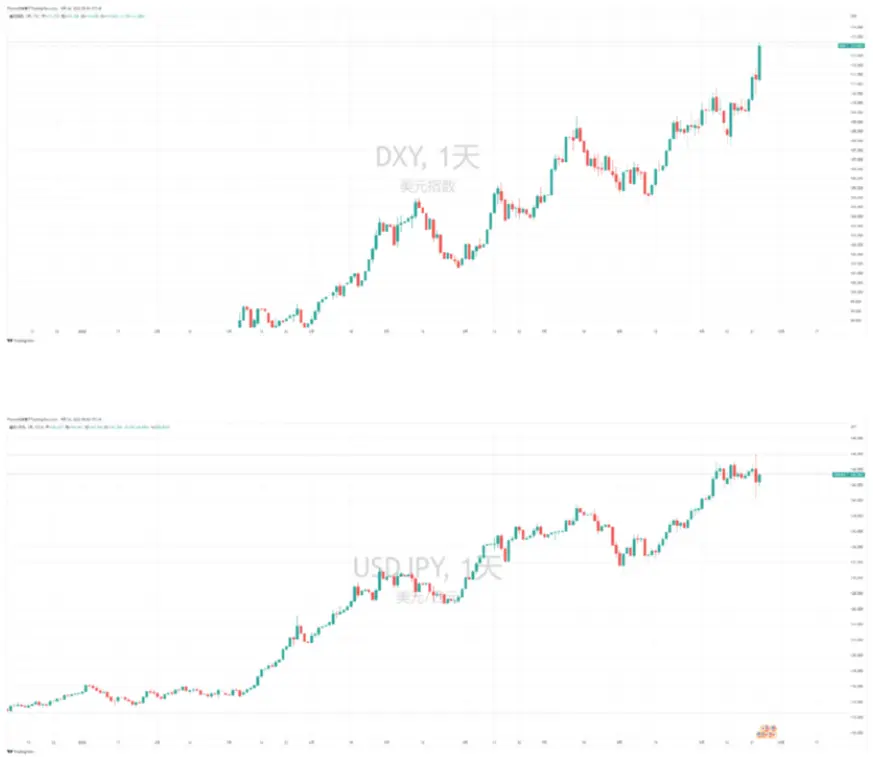
Another is the dollar index, and as the dollar's value rises, the value of non-dollar legal tender currencies declines against the dollar, which would hit countries in the trade category hard. Japan, for example, is buying yen by selling US Treasuries to reduce the risk of yen depreciation, which would imply a sharp rise in Treasury yields, especially at the national level, equivalent to helping the US Federal Reserve QTs.
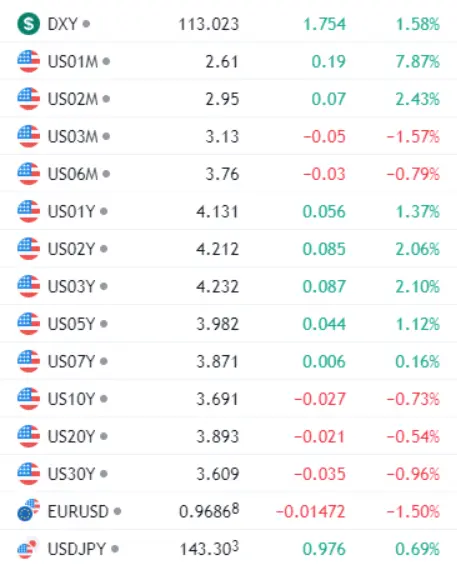
The most immediate impact was a general increase in US interest rates. So if you have 10,000 dollars in a currency market, you can catch a bull market 10 times, 100 times, maybe even 1,000 times, and in the first half of the year there's a lot of memoirs telling people how they went from A5 to A8, but actually if you take 100 million dollars and you're in a currency market, even in a bull market, you can make as much money as you can, and you can make as much billion dollars.
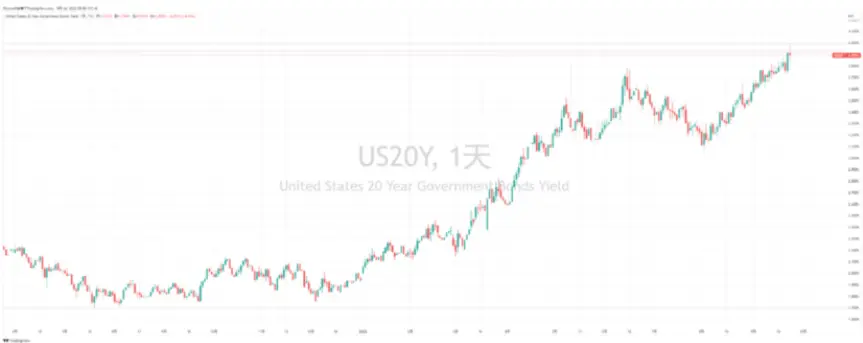
Used to doubling at the drop of a hat, a 5 to 10% pointless dollar market investor might not have expected a fund of more than a billion dollars to make 6% a year, which is pretty much a Apple gain. So a risk-free yield of more than 4% is the kind of fund that dreams about, which means you get a 1% management fee every day for the holidays, and now you've got a chance to buy 20-year Treasuries. And that's a billion dollars of investment money that could potentially go into the risk market, and it goes into U.S. debt, you know. And simply put, none of the USDT's typical payouts, which are close to 100% of their security, exceed the 5%APY's in the DeFi. BTC and ETH yields are lower. Especially in bear markets, where everyone can bet that a bear market with its principal intact is good enough for LP.
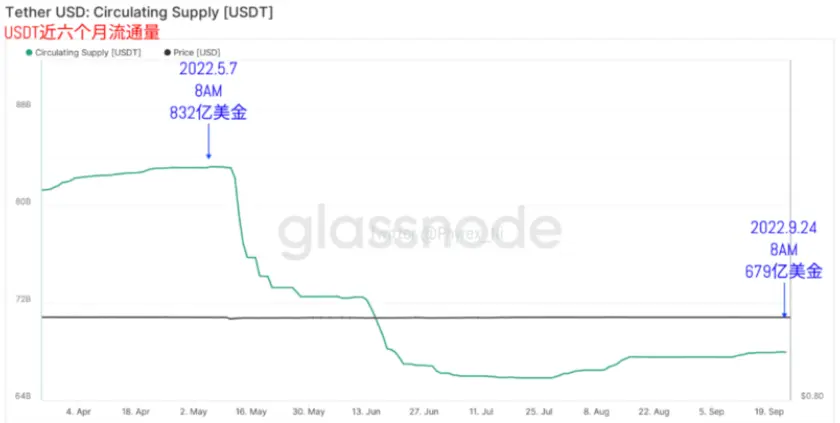
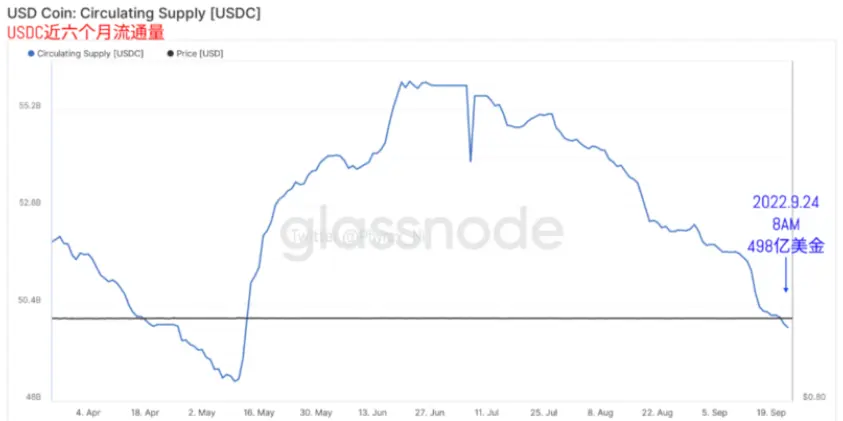
And when it comes to money that can't leave a stable currency market, the current data show that USDT's market value has recently suffered its first small drop, but that's not enough compared to USDC's drop. Using the environment, it looks more like Europe and Asia are having some hesitation, and U.S. money is continuing to flee, with USDC losing more than $10 billion in just two or three months.
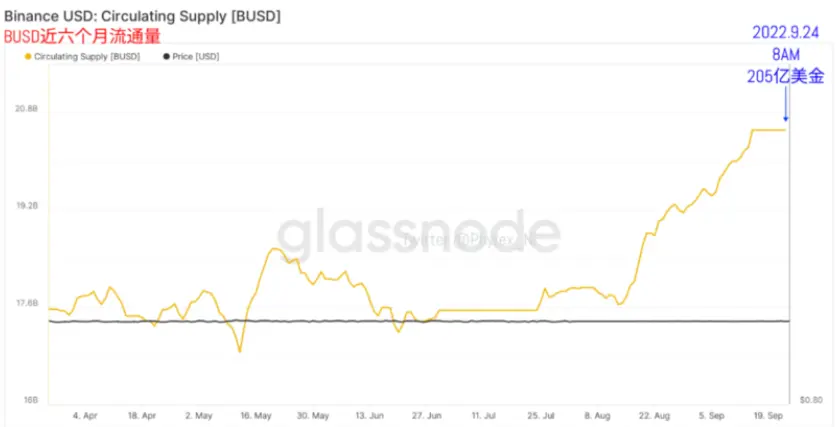
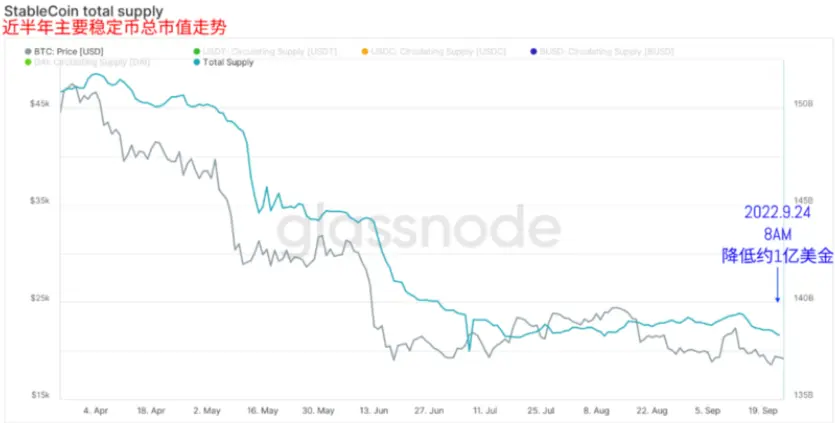
That is still when no one is short it, and because USDC is big enough to avoid a run, both USDC and USDT have strong endorsements. As economic conditions deteriorated, BUSD's efficiency slowed and its market value remained unchanged for several days. So, as with the external environment, a lot of money is leaving the market, and holding dollar-denominated assets is now king.
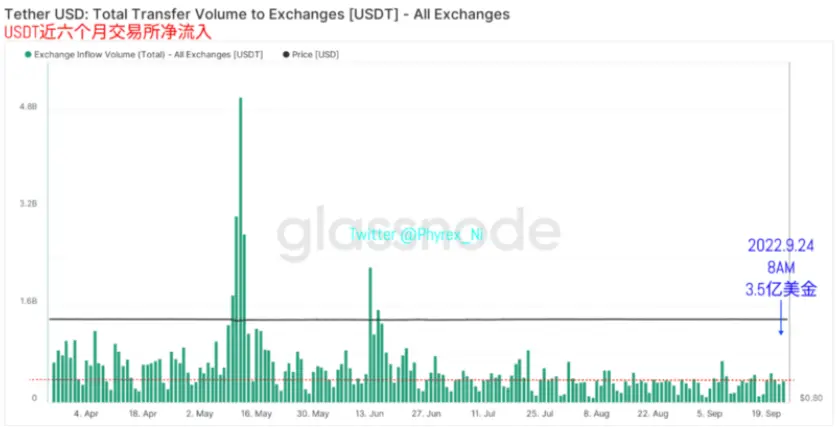
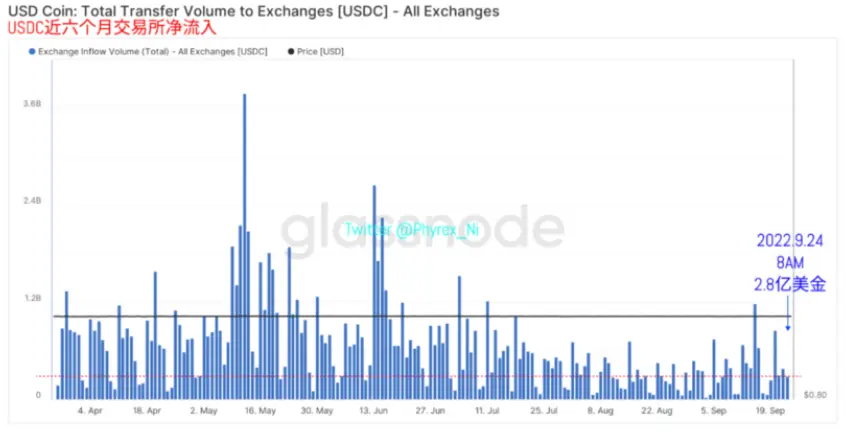
With a lot of money flowing out, both the BTC and the ETH have continued to struggle doggedly in terms of prices, especially outpacing the Nasdaq's decline, and barely remaining where they were before interest rates were raised, even as the index was hitting a new low each day. But in terms of purchasing power, it's still bleak to say that USDT, the main force of the trade, is barely holding up, or at least is trending upward, and that USDC feels like nothing. This also tells us about the current purchasing situation from a side view. Europe and Asia are still the main purchasing power and maintain a certain purchasing mood even after raising interest rates. The US has already become a synonym for selling pressure.
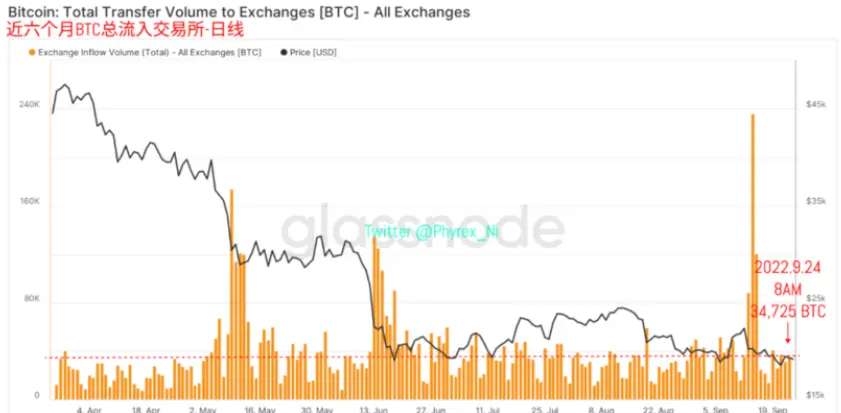
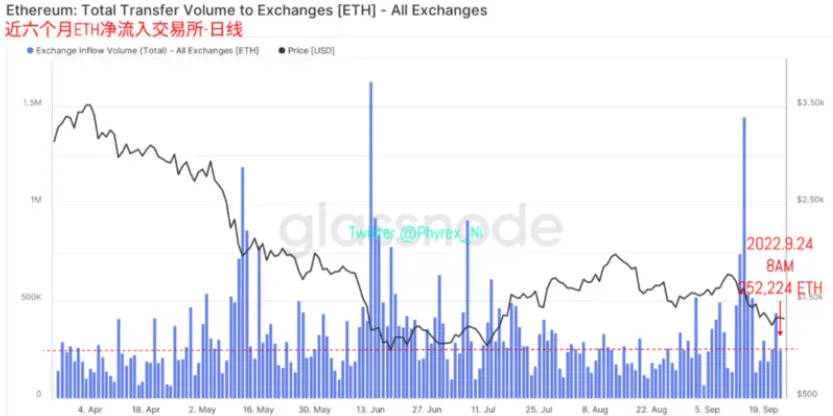
Judging from the pressure on the BTC and ETH to move to exchanges, the amount of selling pressure has continued to rise during the two days when the Fed raised interest rates. This also shows that the BTC and ETH have suffered a chain reaction. More investors think that under the strength of the Fed, the BTC and ETH are not at the bottom of the risk market so far, and thus have sold their chips, especially as the consolidated data show that the selling in this part is more of a loss chip.
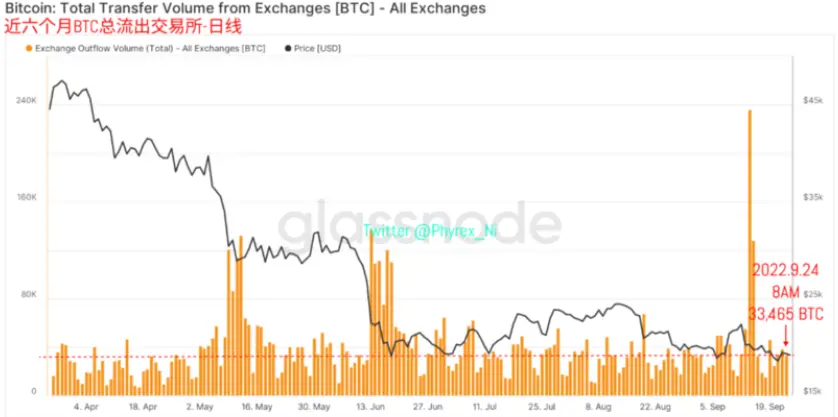
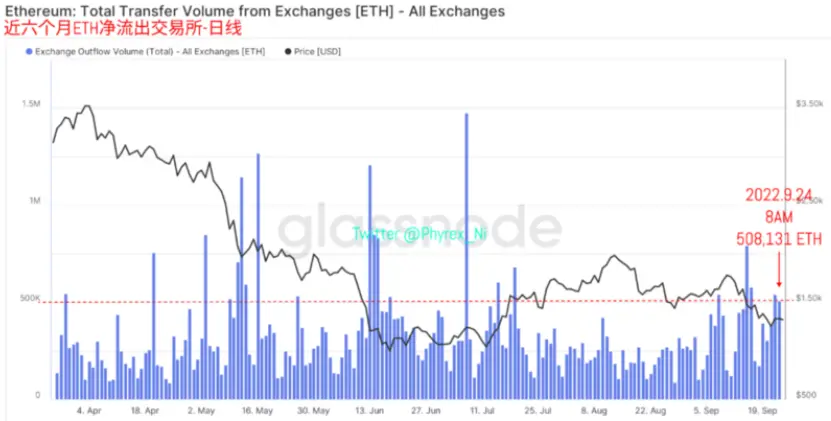
On the other hand, the game is to withdraw cash from the transfer of exchanges. Although facing the strong selling pressure and the Fed's emerging strong force, the amount of ETH's transfer is much higher than the selling pressure. Thus, more investors should be optimistic about the future of ETH merger. Compared to ETH, the BTC's cash withdrawal data cannot cover the full selling pressure, causing some chips to stay on the exchange, which also represents a low level of buying sentiment.
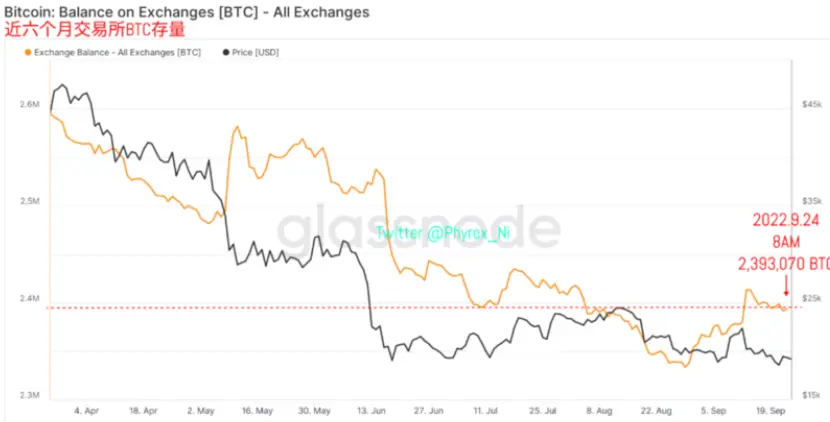
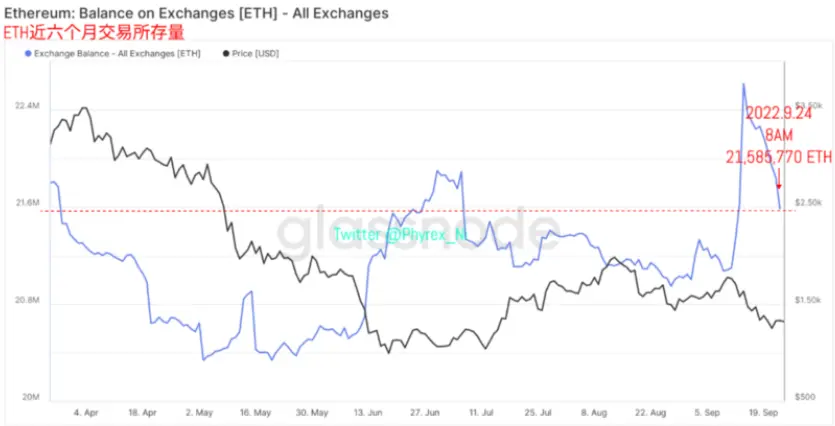
Strong cash withdrawal data led to a large reduction in ETH's stock, and a large number of chips leaving the exchange also reduced the pressure on ETH. While the decline in the stock of chips does not mean that prices will rise, it is clear that buying sentiment is strong. On the other hand, BTC inventory is rising, but the pressure is not too great for BTC, which is itself at the bottom of the inventory.
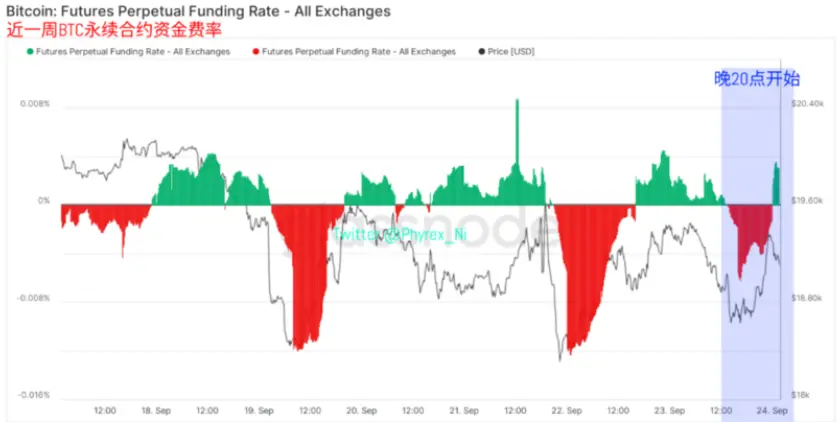
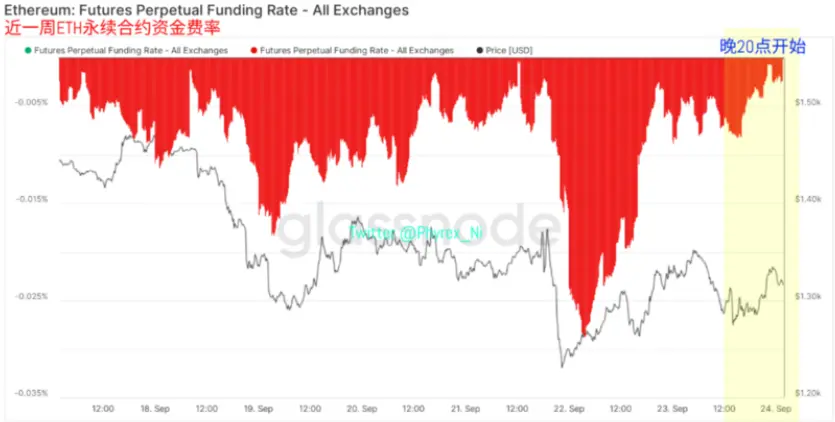
On the emotional side, despite the recent extreme price instability, there is no big short story. More investors are rational, and both BTC and ETH can see the long-short game. Although the data show the BTC is more bullish and the ETH slightly better, there are no extreme events, especially at the weekends, when this mood is more conducive to navigating volatile times. Moreover, judging from the BTC long-term holdings data, even after the September CPI incident caused long-term holders (more of the exchange cold-wallet chips) to reduce their holdings, it can be seen that even the Fed rate hike has not shaken long-term holders' confidence again. Although it has not recovered to an all-time high, the difference is not far away, which shows that even though the BTC has reached a new low, long-term holdings still have only increased and not decreased.
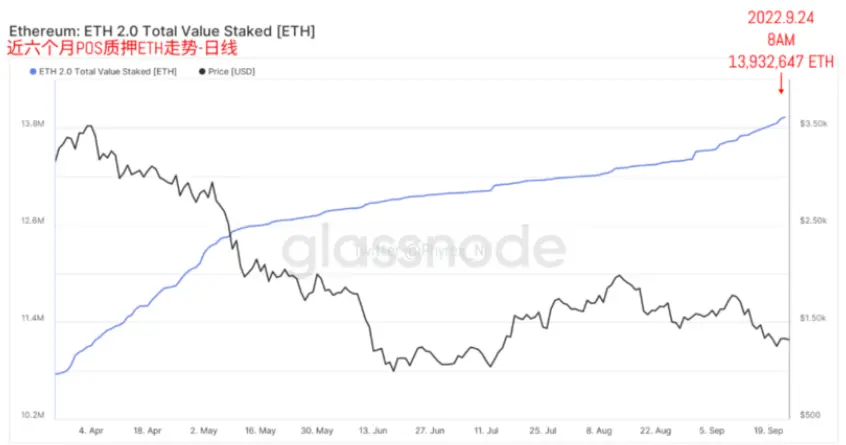
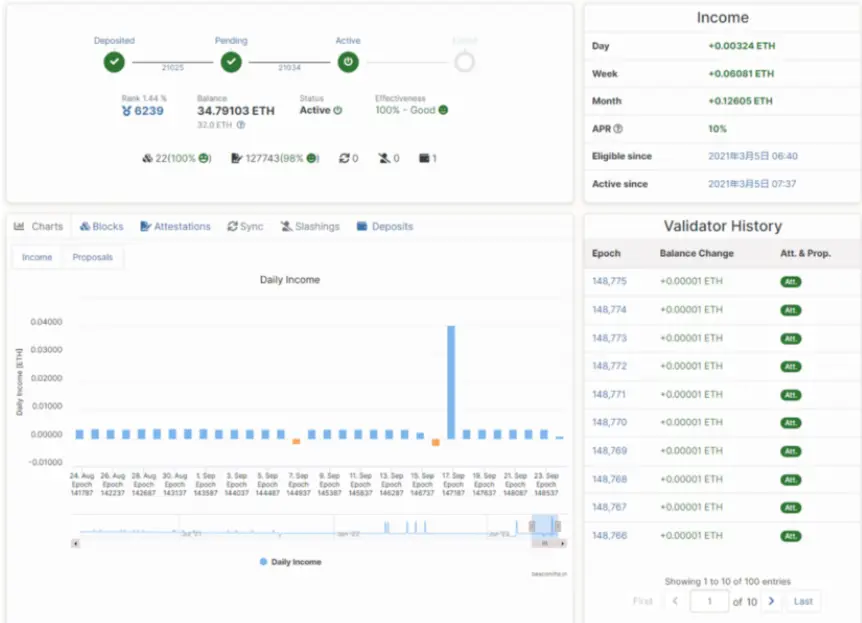
The data on ETH's position is more clear. As prices fall, more chips are willing to join in the digging of mines. After all, a 10% yield is enough to satisfy investors who aren't changing hands, judging from the return on the currency standard. That's because the authorities haven't seen any redemption conditions. They believe that as Shanghai upgrades and more details are released, more chips will be in the digging of mines. All in all, this is a game-changer for BTC and ETH, and it can't be ruled out that the current price is the bottom, but it's not a stable moment for investors who will be more cautious about their money, especially as the Nasdaq creates new lows almost every day and is not certain that they will fall further after the opening bell on Monday. And the weekend itself was a time of extreme illiquidity and capital scarcity, and therefore a time of extreme inflation and deflation





