The price distribution of BTC positions as of 9am this morning has changed from 22pm last night to 11 hours of changes in the BTC chain. To put it in perspective, the total take-up over the 11 hours was just over 15,000, reflecting a contraction in the flow through the weekend, which could be the true flow of the BTC. The emphasis remains on the current dispute price, while large changes elsewhere are later compared in detail.
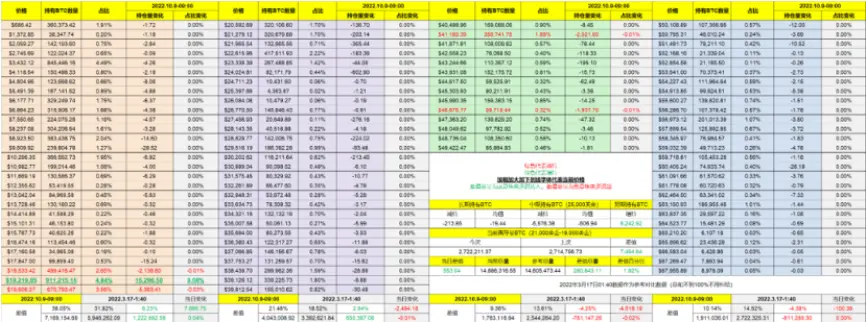
The total reduction of 213 pieces, even 20 pieces per hour, is relatively low for the 11 hours of profitability chips with holdings of more than half a year and high end hedges of BTC. The total loss of 5,500 pieces of overall loss chips with holdings of more than one month above 25,000 USD, an average of more than 500 pieces per hour, is relatively high for a recent period. The reason for this is that 4,000 BTCs at $41,000 and $46,000 cost left the exchange, and neither of the selling pressure into the exchange in the last 12 hours nor the exchange withdrawals data indicate that more than 800 occurred, so it can be concluded that at least not all of these transfers were due to exchange selling pressure, more likely to exchange trading, or to OTC activity by users.
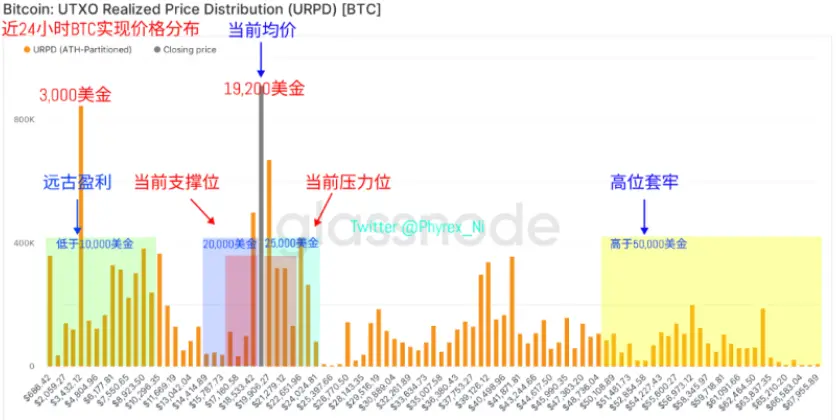
It is important to note that the BTCs of around $19,000 are once again piling up as the price oscillates, and the current stock of single prices once again rises to the highest level, with more than 910,000 BTCs piled up at that level. In the video last night, it was also hinted that, although this does not necessarily mean that market crashes will occur, if there is emotional panic or market short-selling, a more concentrated exit will follow. Once the purchasing power is insufficient, it will be unable to meet the demand, especially at the weekend when such funds are extremely short. And next week, the leading technology stocks will appear in succession. At present, the performance including Meta, Apple, Netflix and so on may not be very good, and even will affect the income of Google, Amazon and Microsoft. In particular, next week's release of September's CPI data needs to be cautious in all directions.
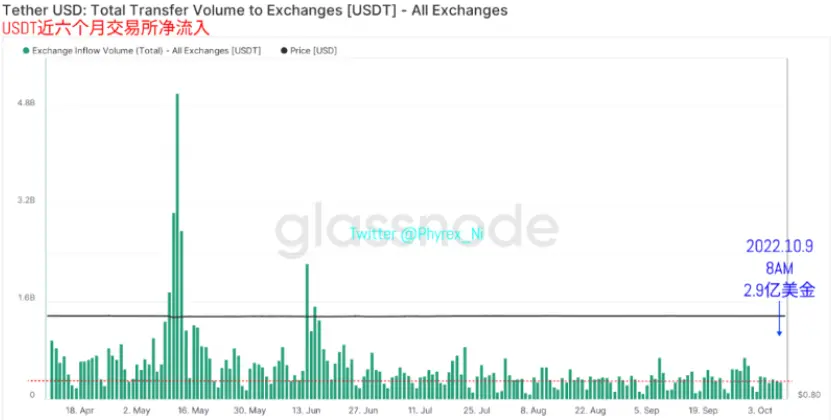
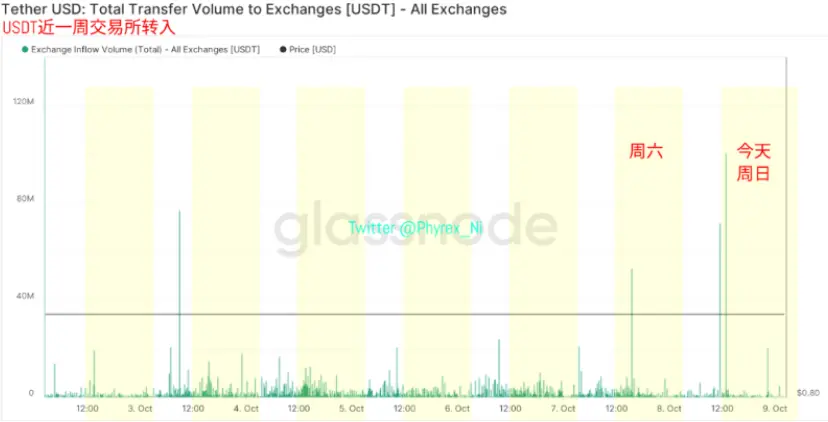
I don't know if this is because of the non-stop situation in China this weekend, but as of 8 a.m. this morning, there has not been any sharp drop in funds. On the contrary, the amount of funds is not very different from that on Friday. It is also a relatively rare case in the past six months. However, if we switch to the details of the data, it can be found that this was caused by two large transfers that occurred at around 18 p.m. yesterday, which is the main trading time zone in Europe.
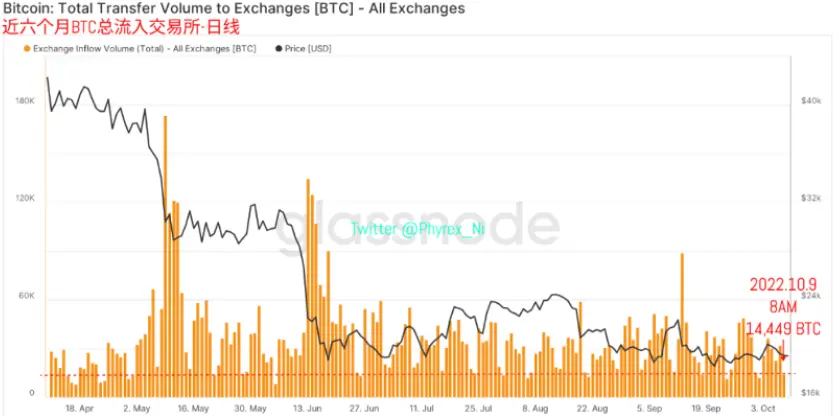
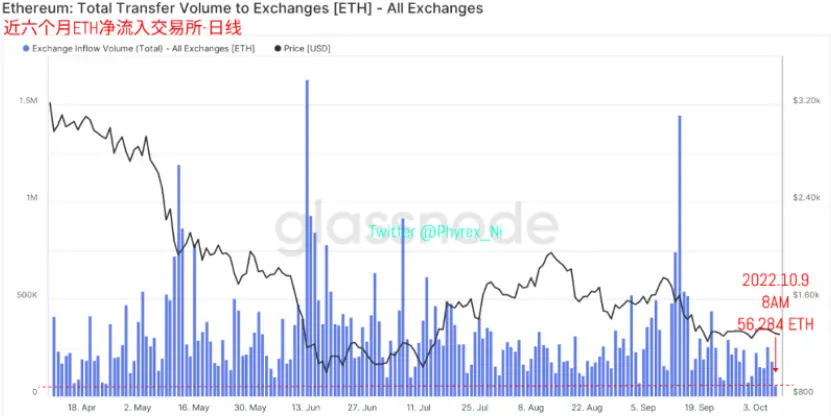
However, relatively speaking, there is no abnormal sign of the BTC or ETH turn-over pressure. It is still a manifestation of low liquidity over the weekend. As of 8 a.m. this morning, it is obvious that the BTC and ETH turn-over pressure has dropped to a lower level in the past half year. In particular, the ETH turn-over pressure is almost the lowest in the past six months, indicating that there are fewer and fewer chips to change hands in the short term.
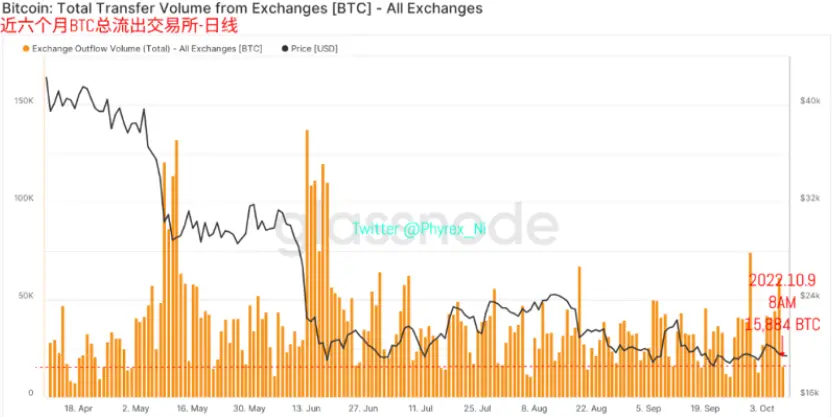
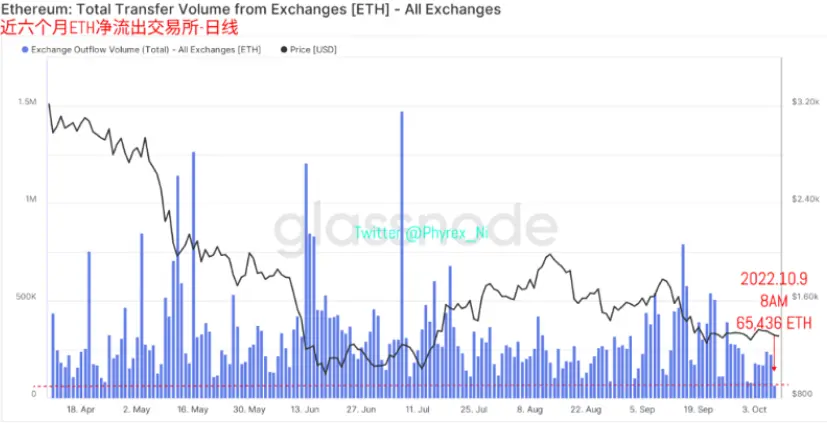
This is also why the percentage of ETH's profit chips analyzed in the video last night was lower than BTC's, which is why circulation is lower. The figures for cash withdrawals from exchanges reflected that although the current market sentiment is not high, both the BTC and the ETH have recorded higher outflows than selling pressure as of 8:00 a.m. this also indicates that many investors believe that relatively low prices have been reached.
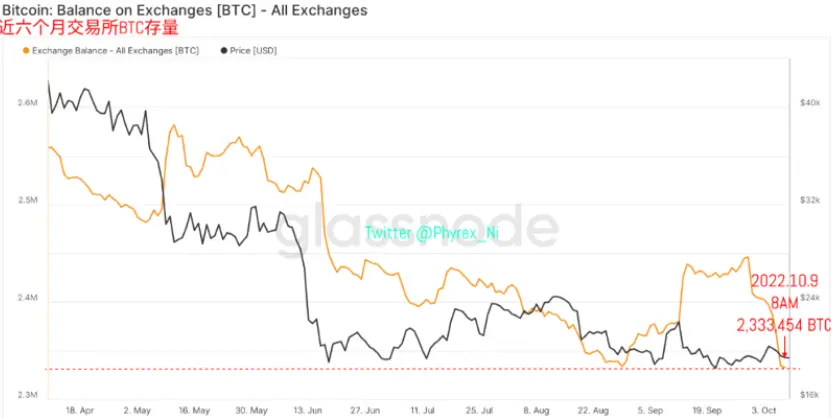
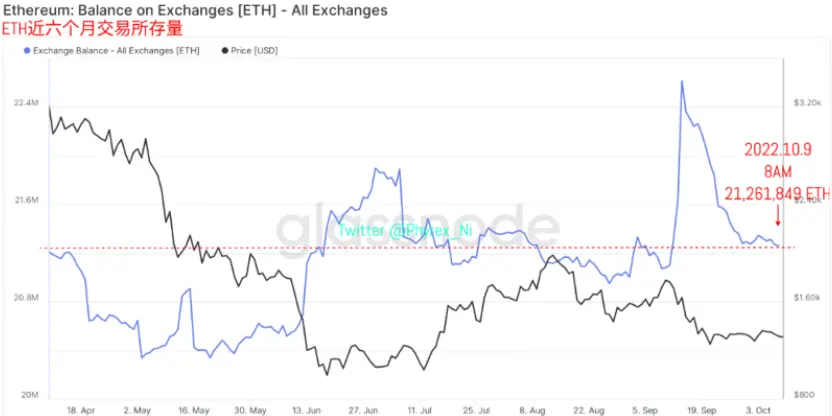
Especially from the stock of the exchange, under the continuous buying trend, BTC's stock of the exchange is only a step away from achieving the lowest stock in nearly four years, it can also be seen that the BTC buying sentiment is relatively strong in comparison, and ETH although the stock is also decreasing, but the decline rate has been very slow, and is still in high stock, which for the ETH's next trend is also buried with uncertainty.
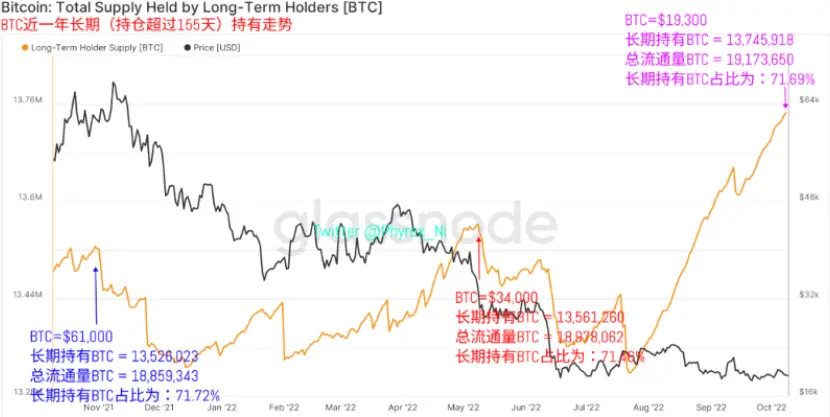
The long-term holding BTCs also confirm the reason why the market has become increasingly short-term in terms of the amount of chips available. After all, more chips have been moved from short-term to long-term holdings, even though prices have been volatile for the last two days, and there are concerns about an interest-rate hike in November. But the long-term holding BTCs are still leaving the market. Instead, more money-losing chips are sitting on their hands or have not changed their addresses actively or passively for 155 days.
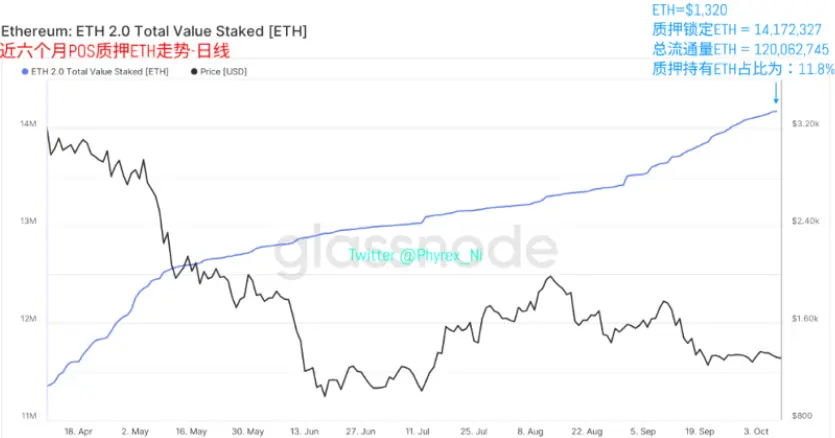
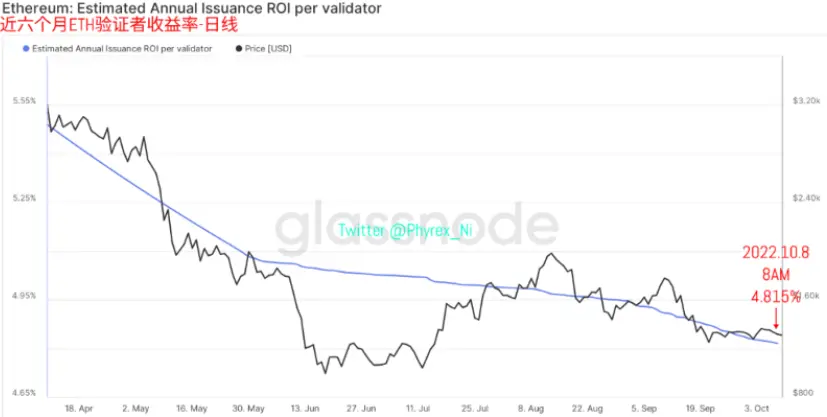
Under the ETH's POS pledge data, we can obviously see that there are still more ETH continue to participate in the pledge line which is not known when to withdraw cash, especially the proportion of chips in the pledge is still rising steadily, but it will take some time to exceed the stock exchange. And as the stakes rise, so does the payoff to the test taker, which is now just days away from dropping below 4.8%.
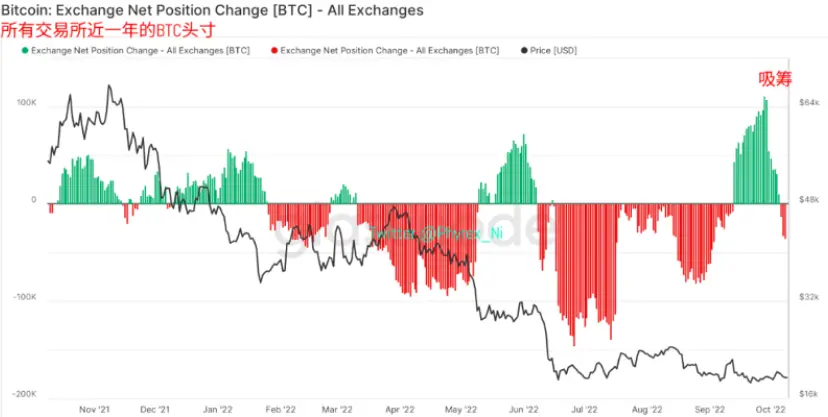
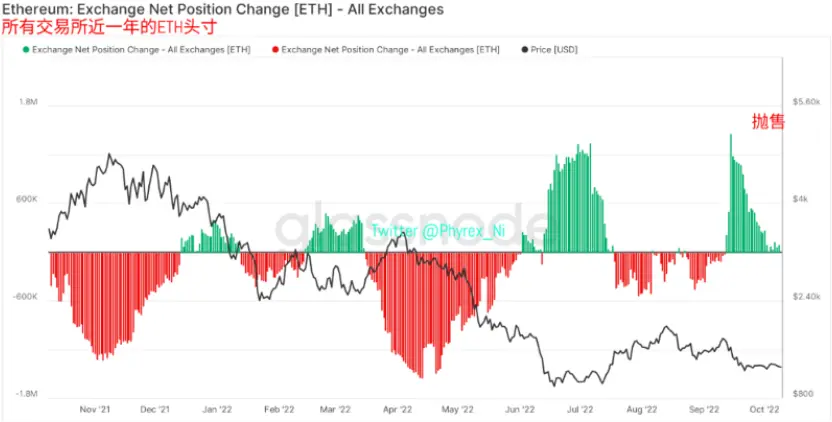
In terms of overall stock position of the exchange, we can see that BTC is indeed a capital-raising situation, the second week of October began to have a strong trend of BTC buying, and even ETH is still in the state of selling pressure, but we can also see the amount of selling pressure is gradually reducing, which also represents more chips have been withdrawn from the exchange. Therefore, both BTC and ETH are in the current trend of active buying.
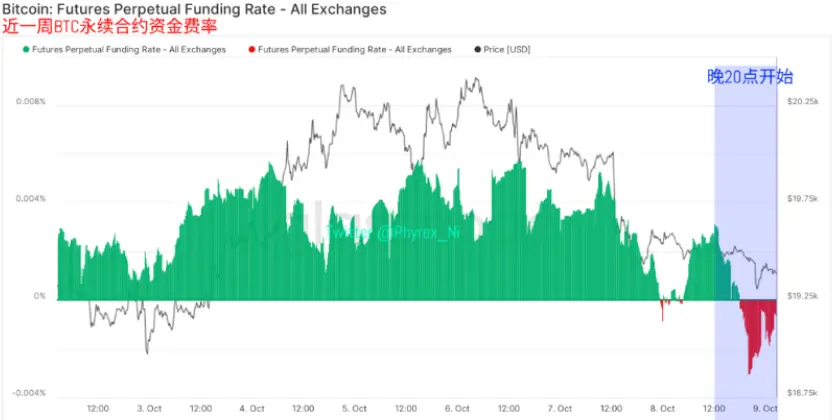
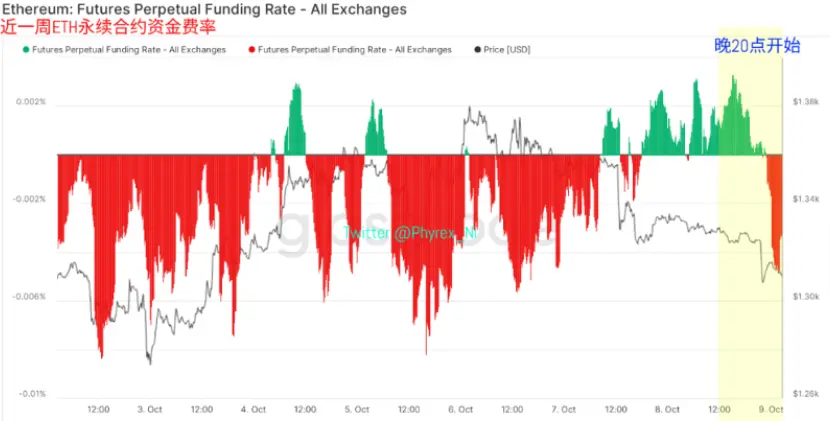
Finally, from the emotional perspective, falling prices caused a large number of investors have more or less panicked, so both the BTC and ETH have a larger area of bearish trend, but relatively because of the weekend money and liquidity, price changes do tend to have larger fluctuations, a small amount of money can pull the market, and a small amount of chips can fall. It happens every weekend. On the whole, although we are still in normal working conditions at home, we still have holidays abroad without the habit of working in the office. In terms of capital flow and the turnover of BTC and ETH, the proportion of domestic shares is relatively light at present. So while Europe and the United States remain inactive, even some market fluctuations will be corrected tomorrow when US stocks open. What really needs our attention is that.
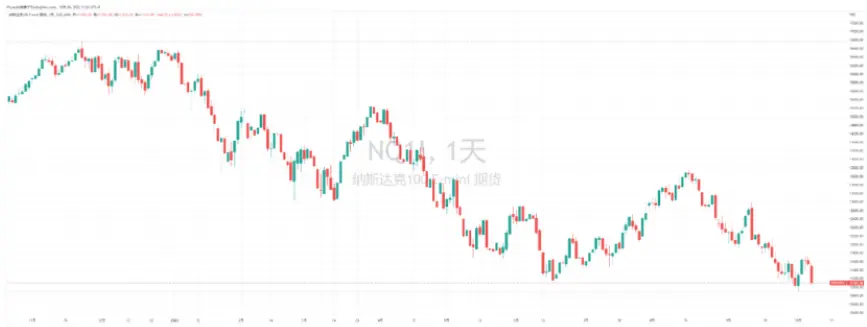
Monday's opening could be the big test of whether investors in Europe and the U.S. have internalized the oil rally and the weakness of non-farm and unemployment data, and even the aftermath of a September rate hike will not be calmed by Friday's close of Nasdaq futures.





