
Think your Ledger or Trezor makes you untouchable? These 5 real-world cold wallet losses reveal how hacks and human errors are still draining crypto in 2025.
We went down the rabbit hole: Reddit threads, forums, news sites, app reviews, even angry Telegram rants. And what we found wasn’t pretty.
These aren’t rumors or urban legends. These are real stories from real people who trusted their cold wallets… and still got wrecked.
From factory-tampered devices to retirement funds vanishing into thin air, we’ve picked the five most painful and shocking cold wallet hacks and losses reported between 2022 and 2025.
If you’re holding your crypto in a hardware wallet and think you’re immune — this might be a tough read. But trust us, it’s one you need.
Cold Wallets Aren’t Safe. They’re Just Safer Than Hot Messes
For years, the crypto crowd treated cold wallets like the Holy Grail of security. “You don’t own your crypto unless it’s on a hardware wallet.” Sound familiar? But here’s the harsh truth: cold doesn’t mean invincible. It just means slightly harder to rob — not impossible.
From fake “genuine” devices that drain your funds, to users who literally lock themselves out of thousands of dollars, cold wallets have their own horror stories. And no one’s safe. Not even the so-called pros.
So before you sleep peacefully thinking your Nano X is bulletproof, you might want to read this and double-check that seed phrase isn’t taped to your fridge.
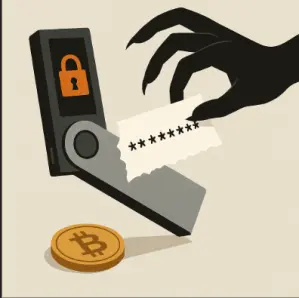
Crypto Hardware Wallets: Marketing Myths vs Real Risks
The marketing is beautiful: shiny little devices, sleek apps, and big words like “secure element chip” and “offline key generation.” They tell you it’s unhackable. That your coins are untouchable. That nothing can go wrong.
What they don’t tell you is that users have lost millions due to phishing, tampered devices, forgotten passphrases, and good old human error. One guy lost his retirement in a Trezor. Another bought a Ledger that came pre-hacked. A couple locked themselves out of BC Vaults with correct passwords and still couldn’t get in.
It’s not just bad luck. It’s a pattern. And the sooner you know the ugly side of cold storage, the better your chances of surviving it.
Real Stories, Real Losses: Cold Wallet Nightmares You Don’t Hear About
😬 5 Real-Life Cold Wallet Hacks You Need to Know About
You bought a cold wallet to sleep better, right?
No Wi-Fi, no hackers, no worries. Except… it doesn’t always go that way. From factory-tampered devices to people losing everything because they trusted a green checkmark, these stories prove one thing: the danger isn’t just online.
Sometimes, it’s in your pocket already.
Case 1: Ledger Nano X Scam: $214,000 Lost from Tampered Device
This is the kind of story that makes your stomach drop.
A user in Thailand bought a brand-new Ledger Nano X from what looked like a legit e-commerce site. The packaging was sealed. The device passed Ledger’s official “Genuine Check.” Everything seemed fine… until it wasn’t.
Weeks later, more than $214,000 in ETH and TRX disappeared — just like that.
“Suddenly, just a few hours ago, he discovered everything — $214,186 worth — was gone… My friend bought this Nano X from a Thai e-commerce site… Bottom line: This device was almost certainly compromised from the start, yet it still passed Ledger’s own ‘Genuine Check.’”
Turns out, the wallet had been tampered with before delivery. Most likely, the private keys were extracted or the firmware was modified. The scammer sat back, waited for the wallet to fill up… then drained it in one clean move.
Even more frustrating? Ledger couldn’t do anything. The device had passed their software checks. It looked genuine — but it was a trojan horse with a hardware-level backdoor.
Lesson here? Always, always, buy directly from the official site or authorized resellers. No matter how good the discount looks, if your wallet comes pre-hacked… you’re not saving money — you’re donating it to a cyberthief.
Case 2: Ledger Wallet Reset Glitch Leads to $40,000 Loss
Here’s a classic example of tech meets human error. A user trusted his Ledger so much, he didn’t bother saving his recovery phrase. He thought that since his device was already set up, he didn’t need it.
Until the wallet randomly reset.
“I just lost $40k because the Ledger decided to reset itself. I lost my recovery phrase the same week I wrote it down… since my Ledger was still activated, I believed I could still access my crypto without it. Dumb assumption, a $40k mistake.”
Let this sink in: a single slip in backup planning turned into a life lesson worth 40 grand. Cold wallets protect you from hackers, not from your own optimism.
Case 3: Trezor Wallet Failure: Longtime BTC Holder Loses Everything
This one hits deep. A long-time holder plugged in his Trezor after a while… and found his wallet completely empty. No one else had access. The seed phrase was hidden. The Trezor had never left his house.
“I plugged in my Trezor… only to find out all funds are gone. My unit has not moved… No one has access. My recovery seed exists only on paper hidden in my house… This was pretty much my retirement. I am crushed. I’ve held BTC since 2012… I really don't get it.”
The guy was devastated. And the worst part? No one could explain how it happened. No phishing link, no smart contract, no obvious attack. Just silence… and zero balance. Even the pros are scratching their heads.
Case 4: BC Vault Error: Two Users Locked Out of Over $200k
Here’s a nightmare no one talks about enough: getting everything right and still losing access to your funds.
A BC Vault user followed all the instructions. Proper setup? Check. PIN written down? Check. No shady software or suspicious sites? Check. Weeks later… the wallet simply stopped accepting his PIN. Gone. Frozen. Not hacked — just locked.
Even worse? It also happened to his friend, the very person he convinced to buy one.
“I feel bad for recommending BC Vault – now he’s locked out of $40k and I myself am locked out of approximately $200k.”
Let that sink in. Two users. Two separate devices. Same issue. Neither could access their wallets anymore, despite using the correct PINs. BC Vault’s team pointed fingers at “user error” — but both users swear they followed protocol like crypto boy scouts.
Whether it was a firmware bug, a key management glitch, or just bad luck, the outcome was the same: funds trapped in a digital vault that refuses to open.
Reminder: Cold wallets are safer than hot wallets, yes — but when something goes wrong, there’s no customer service line with hold music and a friendly agent. It’s just you and your locked treasure chest.
Case 5: Trezor Phishing Scam: Fake Email Drains Wallets After Mailchimp Breach
This one wasn’t a wallet failure. It was pure manipulation.
In 2022, hackers didn’t go after Trezor’s hardware. They targeted its users’ trust. After a Mailchimp breach, scammers got access to Trezor’s email list. Then came the trap: a perfectly crafted email saying there was a “security update” for the Trezor Suite.
It looked 100% legit. The logo was there. The language felt natural. The link even led to a site that looked identical to the real Trezor website. Some users even received emails that used their actual names.
“I almost clicked. The email looked 100% real. Subject line was ‘Security update for Trezor Suite.’ It even linked to a site that looked identical to Trezor.io.”
But those who did click and entered their recovery phrase? Game over. The fake site collected their 24 words and instantly drained their wallets.
What makes this attack so dangerous is that it didn’t exploit software, but human trust. Even experienced users admitted they were this close to falling for it. And because recovery phrases give full access to your wallet, there’s no undo button.
Lesson: Never enter your seed phrase on any site. Ever. Not even if the email looks like it came from your grandma and Trezor at the same time.
💡 Pro Tip Before You Panic
To help you avoid the same mistakes, we’ve reviewed the 5 Best Cold Crypto Wallets in 2025 so you don’t lose it all... again.
From Ledger to Tangem, discover which options actually keep your crypto safe in 2025.
Are Cold Wallets Still the Best Way to Store Crypto in 2025?
Cold wallets are powerful, but they’re not magic. Yes, they protect you from online hacks, but they can’t save you from shady sellers, forgotten passphrases, or clicking the wrong link. The truth? Most losses we’ve seen weren’t because the wallet failed… but because the human behind it did.
And if you think cold wallet hacks are rare, just scroll back — the stories are real, painful, and more common than you’d expect.
So before trusting your life savings to a sleek metal device, make sure you know how to use it.
Triple-check sources, back up your seed, and never, ever type it into any website.
Crypto doesn’t come with a reset button — but your brain does. Use it wisely.

Cold Wallet Hacks: 5 Key Questions Answered
Q1: Are cold wallets 100% safe from hackers?
No wallet is 100% safe. While cold wallets are more secure than hot wallets, they’re not immune to cold wallet hacks. Tampered devices, phishing attacks, and even factory-level exploits have affected users. What keeps you safe isn’t just owning a cold wallet — it’s knowing how to use it properly. Always buy from official sources, double-check firmware, and never share your recovery phrase. The biggest risk isn’t just the hardware… it’s human error.
Q2: How do most cold wallet hacks actually happen?
It happen through indirect methods like phishing emails, fake apps, or compromised devices sold on shady marketplaces. Some attacks don’t even require hacking the device — they rely on tricking users into giving up their seed phrase. In rare cases, wallets have been tampered with before reaching the buyer. That’s why education, cautious purchasing, and never typing your phrase into a website are essential practices.
Q3: What’s the best way to avoid cold wallet hacks?
The best way is by sticking to trusted brands, buying directly from official stores, and treating your recovery phrase like gold. Use hidden backups. Never store your phrase online or take photos of it. Also, beware of unexpected emails or messages urging software updates — they’re often phishing traps. Cold wallets protect you best when you understand the risks and act accordingly.
Q4: Can cold wallets get hacked without internet access?
Yes, but not in the way most people think. Cold wallet hacks without internet usually happen due to compromised hardware or from entering your recovery phrase on a malicious website. Even without being connected to the web, if the device is altered before you use it, the attacker can extract private keys later. That’s why verifying device authenticity and source is critical — even for offline tools.
Q5: Should I still use a cold wallet after reading these cases?
Absolutely — but use it wisely. Cold wallets are still the most secure way to store long-term crypto holdings. These cold wallet hacks are cautionary tales, not a reason to abandon cold storage. The lesson is simple: don’t blindly trust the device. Be proactive. Back up correctly. Stay alert. Crypto gives you full control — and that includes full responsibility.
✍️ Written by El Salvador CopyBiker — Crypto Content Specialist.
Helping your audience actually understand your Web3 product (no PhD required).





