The IRS recognizes Cryptocurrencies, NFTs, and even Stablecoins as taxable assets.
Regardless of what your friends may have told you, this means that you will, in fact, have to give Uncle Sam his cut of your successful investments, no matter how obscure or new the asset is. This should not be a surprise, but due to traditional investors' ongoing reluctance to embrace this emerging market, scores of new investors risk a very painful knee-capping to their bank accounts once tax season rolls around.
So, to all new and enterprising investors, welcome to the world of retail investment! You will soon know the biggest thorn in the side of retail investors and day traders across the country.
Let's define Capital Gains for the average man: Any asset you invest in that gains in value.
Example: You invest $200 worth of [asset]. One week later, you see that your [asset] is worth $220 and you sell, hoping to pocket the 10% gain for future investments. True to the name, "Capital GAINS", you owe taxes on the $20. Why? Because you have "realized" the "gain" of $20.
How much tax do you owe?
The answer is: It depends on a lot of factors.
For simplicity's sake, we will assume you are single. If you are married, congratulations! We will cover how you can profit from that later.
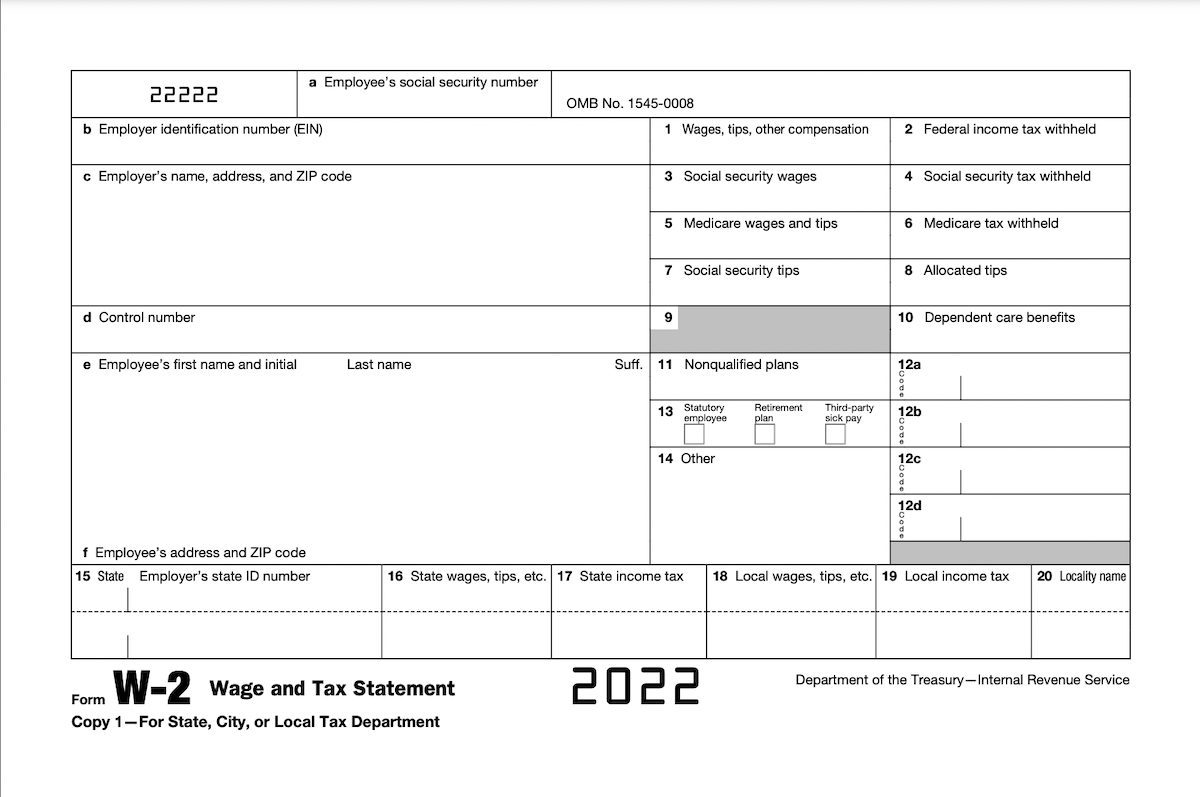
The tax you pay for Capital Gains is based on your income. For the average American, simply refer to the W-2 you will receive from your employer in February or March of the next year. Yes, your employer must give you a W-2 tax form if they are paying you.
But, one more thing! Because you sold your asset without first holding it for one year first, you will have to pay "Short-Term Capital Gains Tax"
Unless you are a true HODLer, you will likely fall into this first group. We will cover Long-Term Capital Gains another time.
Now, you may have heard the term, "tax bracket" before, but now we will look into what those brackets actually are.
For 2023, the U.S. Single Filer Tax Brackets are the following:
Not over $10,275 | 10% of the taxable income
Over $10,275 but not over $41,775 | $1,027.50 plus 12% of the excess over $10,275
Over $41,775 but not over $89,075 | $4,807.50 plus 22% of the excess over $41,775
Over $89,075 but not over $170,050 | $15,213.50 plus 24% of the excess over $89,075
Over $170,050 but not over $215,950 | $34,647.50 plus 32% of the the excess over $170,050
Over $215,950 but not over $539,900 | $49,335.50 plus 35% of the excess over $215,950
Over $539,900 | $162,718 plus 37% of the excess over $539,900
(This tax amount is progressive, as in your income is taxed from top to bottom in the listed increments. The flat amounts listed are summarizing the tax paid by all previous brackets for the sake of convenience.)
So, to return to our previous example, if you made $40,000 in taxable income you would have to pay 12% tax on that $20, or $2.40.
Now technically you could argue, "No, that income was at the start of the year, so I only owe 10%!". That is perfectly acceptable, but consider that this would then mean you will start paying a 12% income tax on your wages that much sooner, and it will all shake out the same.
Lastly, you may be asking why this is all a big deal. Well, let's consider the following scenario:
Through some smart investments, you turn $200 into $2,000. You have gained $1,800 and will pay 12% tax on that money. You keep re-investing those gains but then market corrections cause your assets to plummet in value, from $2000 back down to $200. The IRS still expects their money from those gains, so you are left with a choice: Do you sell your assets off completely to pay that $216 tax burden, or do you keep holding in the hopes that your assets will appreciate again?
Thank you for reading. If you learned something, consider leaving a comment or giving a tip. If you have any questions, let me know!