
NFTs are particular Tokens that give the Blockchain the possibility of not being associated solely with cryptocurrencies. The fungibility of an asset indicates the ability of individual units to be interchangeable. Let's take an example: if I have a $ 10 asset, each $ 1 bill can be replaced with any other $ 1 bill, so it means it's Fungible. If we take an art gallery instead of the 10$ bill, the paintings cannot be replaced with other paintings: each painting is unique, so they are not fungible.
By the same principle, NFTs are unique Tokens for stored data or information. The identification data of each NFT are stored in a smart contract.
Another important feature of NFTs is that they cannot be divided, while as we know we can divide a BTC into Satoshi.
As I explained in the Timestamp post, NFTs can be exploited for the registration of copyright. The SuperRare project is an example: tokens are created and artists can attribute an image or a GIF to them as a representation of their own creation. All this, stored on the Blockchain, certifies the intellectual property of the image. Obviously the token can be sold and in that case there is a transfer of "physical" property without prejudice to the intellectual property.
There are various frameworks that allow the issuance of NFTs, the best known is ERC721, a standard for the issuance and trading of non-fungible assets on the Ethereum BC.
More recent is ERC-1155 where both non-fungible and fungible tokens can be contained within the contract.
By the way, Ethereum Blockchain is not the only one where NFT can be created. There are different private Blockchains, plus the Polymath and a few more. In my personal opinion, to issue a Security Token (or an Equity Token) the only way is to use a public blockchain because the ownership of the Token must not be changed arbitrarily.
It should be noted that the value to these tokens is attributed by people as happens for the most varied collectibles; from coins to postcards and the price will vary according to supply and demand.
Now that we understand how they work, let's see how they can get into the circuit.
In order to use them you need dApps that can emit unique and collectible digital objects; the first example that anyone can think of is CryptoKitties, where each kitten is represented by an NFT and therefore is unique and unrepeatable
In the real world, however, these NFTs can be used for the tokenization of an asset; obviously they can be stored and exchanged (not replaced !!!) as normal tokens, on the blockchain. In this way, liquidity is introduced into markets where it is in short supply, for example works of art, real estate, rare collectibles, etc.
Digital identity could also benefit from the introduction of NFTs: it would increase privacy and data integrity for many people around the world.
In addition to the famous CryptoKItties game, where some NFTs were sold for hundreds of thousands of dollars, we recall two very interesting initiatives.
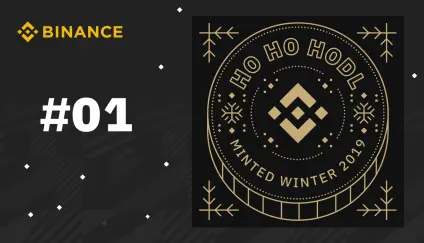
The first concerns the well-known Binance exchange, which established the "Binance Collectibles". In collaboration with Enjin, Binance issues NFTs containing a unique image where the Binance symbol is represented with various types of background.
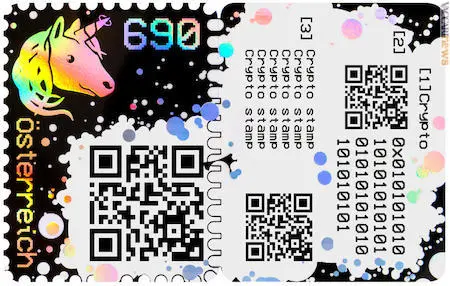
The second initiative concerns the Austrian postal service: they managed to connect the real world with the digital one. They have created NFTs that are used as regular postage stamps to send mail, but, being registered on the Ethereum blockchain, they become a tradeable collector's item.
This new technology is making great strides and makes us understand how it could facilitate many aspects of common life.
What to do you think of this chance that the Blockchain offers and that will allow even companies to be settled on Blockchain Company's Registers?






