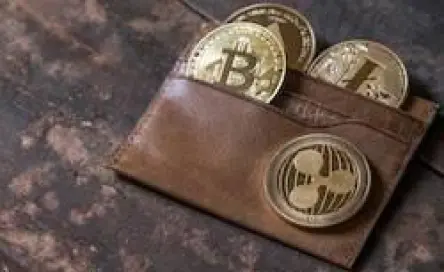
Satoshi Nakamoto created bitcoin as an alternative form of money that is controlled by the people, not by a central authority. Truly groundbreaking. And one of the generally accepted functions of money is that it should serve as a store of value. So is bitcoin a good store value and should you be using it as such? Or are there other assets that are better than bitcoin as a store of value? If yes, which ones?
Before we answer all these questions, let's, first of all, look at what a store of value is.
What is a store of value?
Put simply, an asset is considered a store of value if it can maintain it's purchasing power into the future. For example, If you purchase $500 worth of an asset and can resell it later for approximately the same amount or higher (preferably from $450 upward), then that asset can be considered a store of value.
In many cases, people purchase a store of value asset with the intention of holding on to it for a long time, usually from one year and above. But it doesn't always have to be that way. People can change their minds and resell any part of their wealth at any time depending on the circumstances in which they find themselves. To some people, the main incentive for holding a store of value asset is to make a profit. To others though, it's just another means to preserve wealth.
So is Bitcoin a good store of value?
Many people who consider bitcoin a (good) store of value always point to the fact that it has yielded an ROI of over 6500%. The problem is people are too concerned with profits to the extent that they think it's a necessary consideration for an asset as a store of value, which is wrong. Attributes like certainty and predictability are more important when deciding whether or not to consider an asset as a store of value. While the decentralized and immutable nature of the bitcoin blockchain is a huge advantage, the price of Bitcoin remains very unpredictable. No one can tell if the price of bitcoin will rise or fall in the future.
Some people would argue that bitcoin is a store of value when you consider it long term. Sounds reasonable, but unfortunately specific time frames are not relevant when considering an asset as a store of value. Because of the above reasons, it's fair to say that bitcoin is not a very good store of value.
Bitcoin: store of value asset or speculative investment?
Because of the level of uncertainty of bitcoin's price, it currently serves more as a speculative investment than a store of value. You don't need a Ph.D. to understand that the price of bitcoin can easily be manipulated due to its tiny market cap. 180 billion is nothing in a world of thousands of billionaires and a few of them with over $100 billion each in their possession. Additionally, most of the bitcoins in circulation are controlled by a few individuals. What's even more troubling is that most of the early investors know themselves and could easily collude to wreak havoc in the market.
Bitcoin cannot be ignored completely as a store of value asset.
Despite bitcoin's limitations as a store of value when compared to the likes of land, precious metals, and some fiat currencies, it is still the most convenient and accessible of all stores of value assets. It is this ease of availability that makes bitcoin stand out from the rest as everyone regardless of their financial background can buy bitcoin from any part of the world. This explains why Venezuelans were quick to store part of their wealth in bitcoin when the Venezuela Bolivar was rapidly losing its value.
Closing thoughts.
Bitcoin started out as a speculative investment and is on a path to becoming a good store of value. In as much as there's still a high degree of uncertainty about bitcoin (scalability issues, a tiny market cap that favors whale manipulation, etc), it remains a poor store of value compared to assets like Gold Platinum, Land, etc. And despite its current limitations, Bitcoin is still one of the best options to store value/wealth for people living in countries with poor monetary policies like Venezuela, Zimbabwe, South Sudan, etc because it is readily available.






