
In June 2016, the Ethereum community was rocked by a major security breach that resulted in the loss of millions of dollars worth of ether. The hack targeted a smart contract known as The DAO (Decentralized Autonomous Organization), which was built on the Ethereum blockchain and designed to be a decentralized venture capital fund. The incident raised serious questions about the security of smart contracts and the future of decentralized finance.

The DAO was created by a group of Ethereum developers in early 2016 with the goal of creating a decentralized investment fund that would allow anyone to invest in blockchain projects without the need for intermediaries like banks or venture capitalists. The DAO raised over $150 million worth of ether in a crowdsale, making it one of the largest crowdfunding campaigns in history.

However, the DAO was not without its flaws. In particular, it was vulnerable to what is known as a "recursive call exploit," in which an attacker could repeatedly call a function in the contract and drain funds from it. This vulnerability was discovered by a hacker in June 2016, who proceeded to siphon off over 3.6 million ether, worth over $50 million at the time.
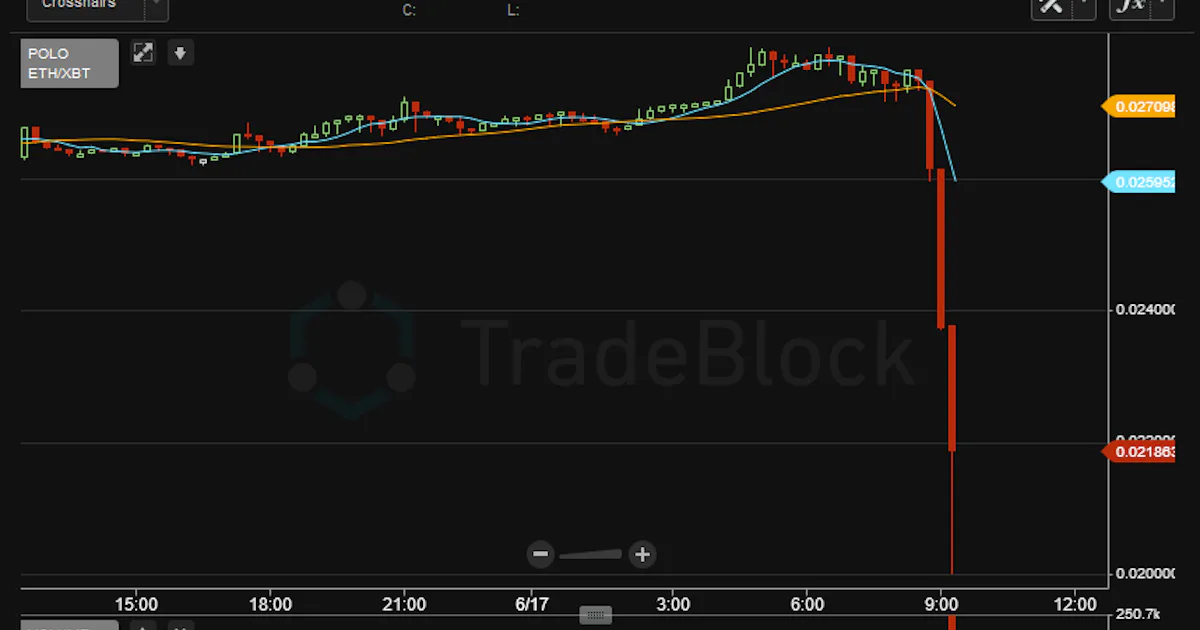
The Ethereum community was faced with a difficult decision. Some argued that the funds should be returned to investors through a "hard fork" of the Ethereum blockchain, while others argued that this would undermine the principles of decentralization and immutability that underpin blockchain technology. In the end, the community decided to implement a hard fork, creating a new blockchain known as Ethereum Classic that did not include the returned funds.
The DAO hack was a wake-up call for the Ethereum community, highlighting the need for greater security and oversight of smart contracts. It also raised important questions about the role of decentralized finance in the broader financial ecosystem, and the challenges of balancing innovation and security in a rapidly evolving industry.
Despite the challenges posed by the DAO hack, the Ethereum ecosystem has continued to grow and evolve. Today, Ethereum remains one of the most popular blockchain platforms, with a wide range of use cases and applications, from decentralized finance to non-fungible tokens. While the DAO hack was a significant setback, it ultimately served as a valuable learning experience for the entire blockchain community.






