
We’ve all experienced that familiar sinking feeling. You click an intriguing link shared by a friend on social media,eager to dive into a deep, well-researched piece on a complex topic. You read the introduction, feeling intellectually stimulated—and then, suddenly, a hard brick wall drops down after the second paragraph. A sleek popup politely informs you that you need to subscribe for $9 a month to continue reading.
Or perhaps you open your favorite social media platform, looking to catch up with friends, family, and niche communities. Instead, you are force-fed a relentless, hyper-curated stream of sponsored posts, outrage bait, and algorithmic sludge. The platform's black-box algorithm isn't showing you what matters; it is showing you whatever keeps your eyeballs glued to the screen for just a few minutes longer, regardless of your mental well-being.
The modern internet feels increasingly small, heavily commercialized, and strictly guarded. But a quiet, resilient rebellion is brewing at the edges of the network—one built on open protocols, user ownership, and frictionless value exchange. If you are tired of renting your digital life from platforms that monetize your attention while locking valuable knowledge behind steep financial gates, you are in the right place. Welcome to Beyond Paywalls and Centralized Algorithms.
The Two Cages of the Modern Internet
To understand where we are going and why a paradigm shift is desperately needed, we must first look closely at the two invisible cages boxing in the modern web experience: The Knowledge Paywall and The Algorithmic Panopticon.
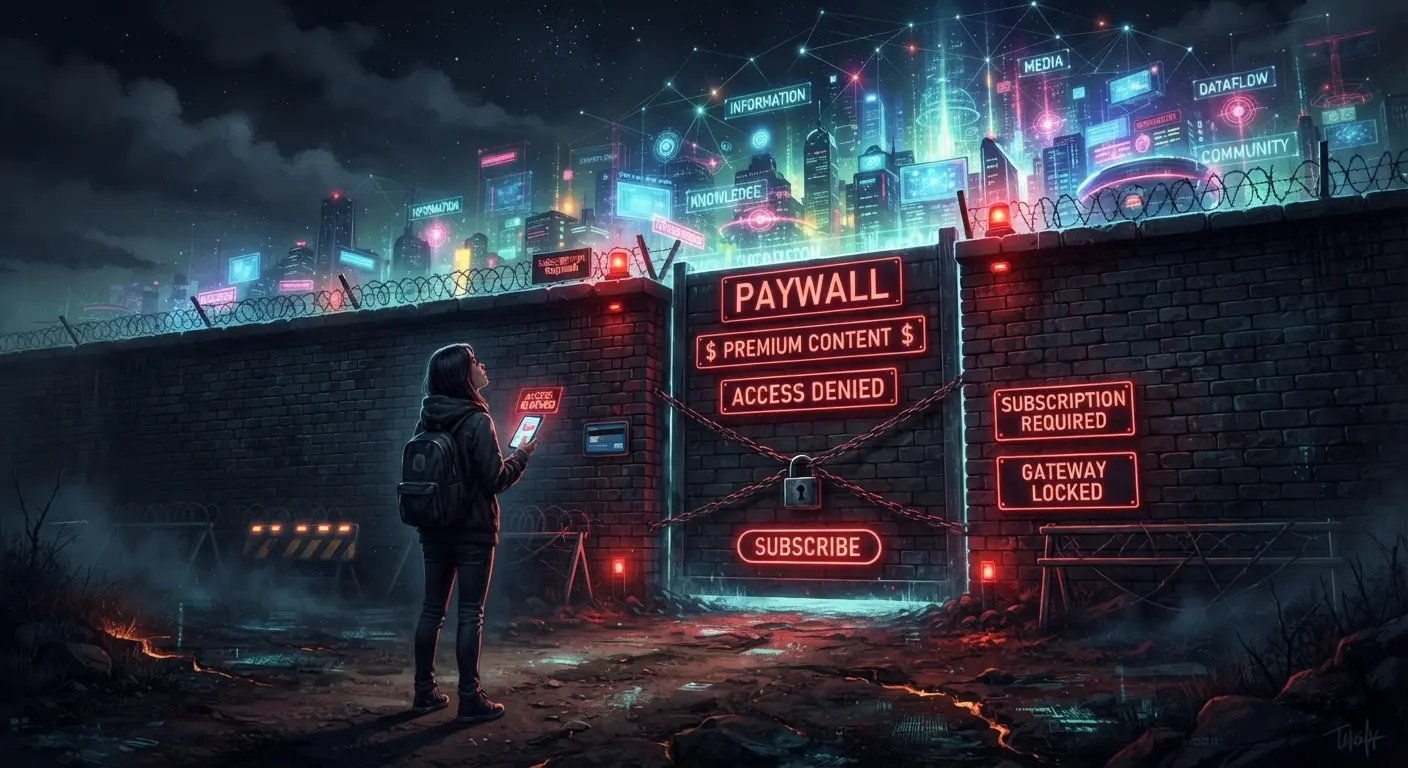
The Knowledge Paywall and the Fragmentation of Truth
Information wants to be free, but modern economic realities made it exclusive. Traditional publishing and media models rely heavily on subscription walls that turn the open internet into a gated community accessible only to those with disposable income.
-
The Silt-Up of Discourse: While journalists, researchers, and creators certainly deserve to be fairly compensated for their grueling labor, the rigid binary choice of "free content riddled with privacy-invasive ads" or "expensive monthly subscriptions" has fractured the digital ecosystem.
-
Information Silos: When every single media outlet, blog, and research database requires its own dedicated subscription, users are forced to pick and choose. Deep research, nuanced thought, and independent journalism become luxury goods. This creates polarized information silos where vital knowledge is locked away from the public eye, widening the gap between those who can afford information and those who cannot.
The Algorithmic Panopticon
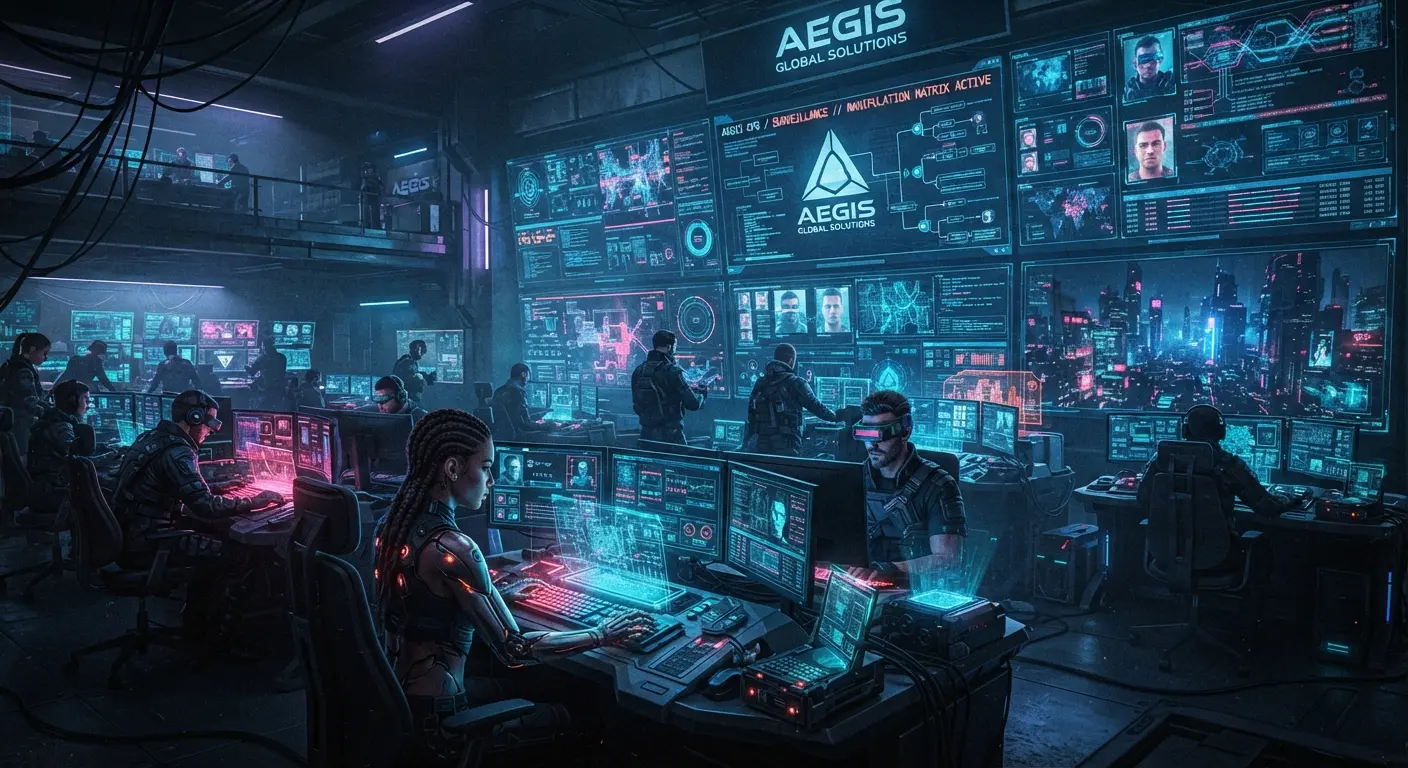
If paywalls lock away the deep content, centralized algorithms dictate what happens to the rest of our attention.Centralized social media platforms initially solved the digital discovery problem—helping us find communities,friends, and content we love—only to create a much worse control problem.

When a single multi-billion-dollar corporation dictates your daily feed through opaque, proprietary algorithms, they effectively become the modern arbiters of truth, culture, and human connection.
-
The Engagement Trap: These algorithms do not optimize for your happiness, education, or psychological well-being. They optimize for raw engagement metrics: clicks, shares, comments, and watch time.
-
Weaponized Outrage: Psychology research consistently shows that nothing engages the human brain quite like moral outrage, fear, and division. Consequently, algorithms naturally elevate toxic discourse, polarizing political rants, and sensationalized headlines while burying thoughtful, measured nuance. We are no longer customers of these platforms; we are the product, mined for behavioral data every single second.
Breaking Out: The Decentralized Alternative
Escaping this dual-cage paradigm isn't about logging off or abandoning the digital world—it’s about fundamentally upgrading our underlying infrastructure. The convergence of Web3 technologies, cryptographic microtransactions,decentralized storage, and open-source protocols offers a compelling blueprint for a healthier, more equitable internet.
Granular Value Exchange and Micro-Economies
Instead of forcing users into rigid $100/year subscriptions for publications where they only want to read a single article,decentralized rails enable granular value exchange. Imagine tipping a creator a few cents instantly via lightning-fast,peer-to-peer networks for a brilliant piece of writing. Creators get paid fairly for individual units of value, and readers don't break the bank subscribing to ten different sites.
Algorithmic Freedom and Choice
What if, instead of being trapped inside a corporate black-box algorithm, you could plug-and-play your own recommendation engine? Decentralized social protocols allow users to separate their identity and graph from the interface. If you don't like how content is being sorted or filtered, you can switch algorithms with a single click, or curate feeds based on trusted peer networks rather than corporate ad-revenue metrics.
True Digital Ownership
In the legacy web, your audience, your content, and your profile exist at the whim of corporate terms of service. A single policy shift or automated content moderation glitch can wipe out years of hard work overnight. True digital ownership means your identity, your cryptographic keys, and your audience belong entirely to you, hosted on immutable ledgers or decentralized storage networks where no central authority can censor or ban you arbitrarily.





