
The Animals - House of the Rising Sun
"The House of the Rising Sun" is one of the most famous and influential songs in the history of rock music, and it has become a hallmark of the British band The Animals. However, the song's history goes back much further than The Animals' appearance on stage, as it is a centuries-old folk ballad.
Roots and origins
"House of the Rising Sun" is a traditional American folk song (folk ballad) with deep roots. The exact origin is unknown, but it is believed to have originated somewhere in the southern United States, possibly in Louisiana or New Orleans, in the late 19th or early 20th century.
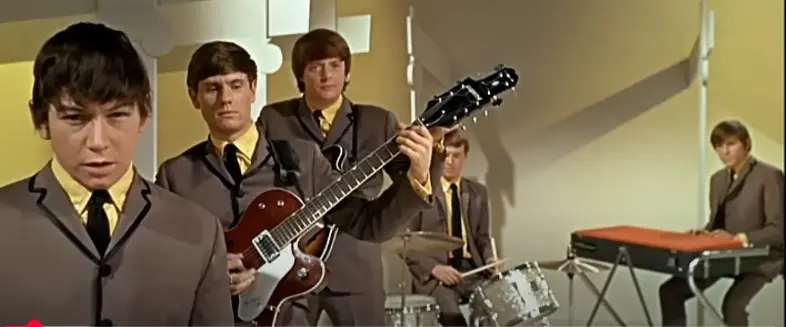
Song themes: The song tells the story of a tragic life of a person (in different versions, a man or a woman) who ends up in the "House of the Rising Sun," a metaphorical or literal reference to a brothel, prison, or gambling house in New Orleans that destroys his/her life. The character sings about their downfall and regret, warning others against a similar fate.
Multiple versions: Due to its folklore origins, the song did not have a single "author" or a "correct" version. It was passed down from mouth to mouth, changing with each performer. There were many variations of the text, melody, and even the gender of the narrator.
Early recordings and popularity in the USA
The song was recorded by many famous folk artists long before The Animals.:
Clarence "Tom" Ashley and Gwen Foster made one of the first commercial recordings in 1933.
Woody Guthrie recorded his own version in 1941.
Pete Seeger included it in his repertoire.
Bob Dylan recorded his own version of the song for his debut album Bob Dylan in 1962. He later said that he learned it from folk singer Dave Van Ronk.
Joan Baez also performed this song.
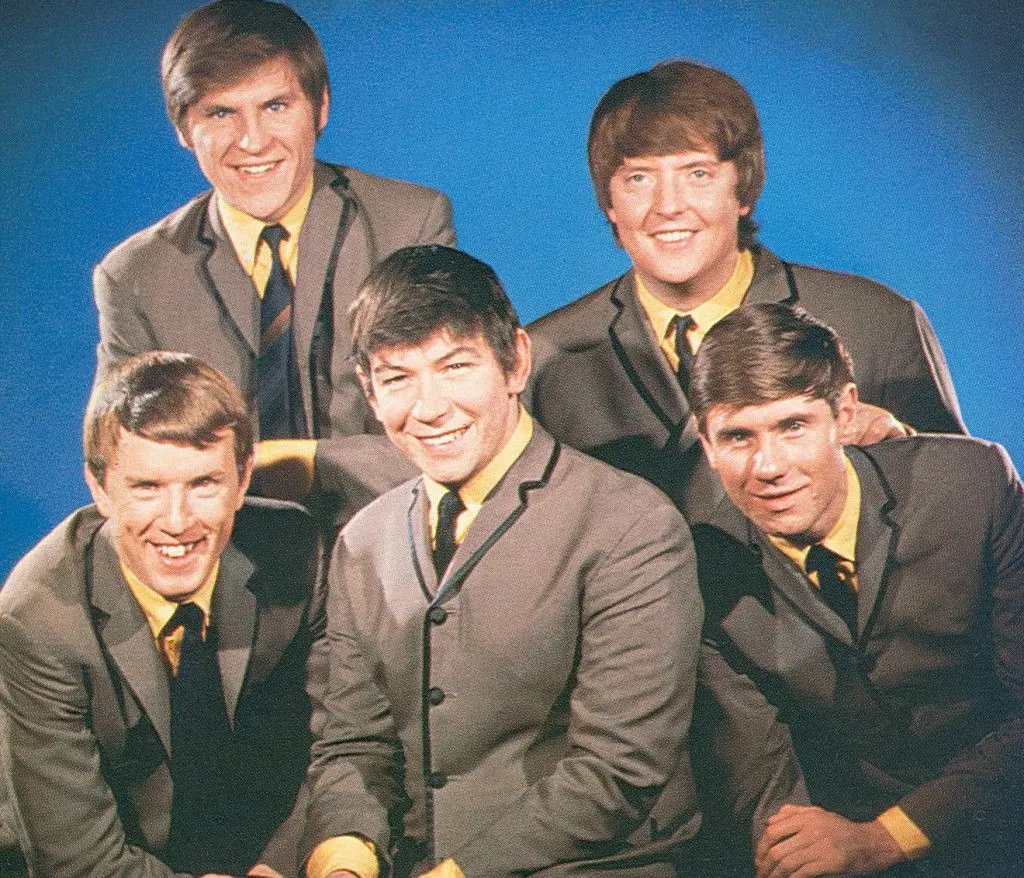
The Animals version (1964)
It was The Animals version that brought the song worldwide fame and made it a rock classic.
The idea: Alan Price, the band's keyboardist, heard a version by Dave Van Ronk or Bob Dylan and suggested that the band make their own arrangement.
Arrangement: The Animals took a traditional melody and lyrics (largely based on the version performed by New York folk singer Dave Van Ronk) and gave it a completely new, electric sound.
Hammond Organ: Alan Price's distinctive, dark and shrill Hammond organ has become the hallmark of this version.
Eric Burdon's vocals: Eric Burdon's powerful, emotional and slightly hoarse vocals perfectly conveyed the tragedy and despair of the song.
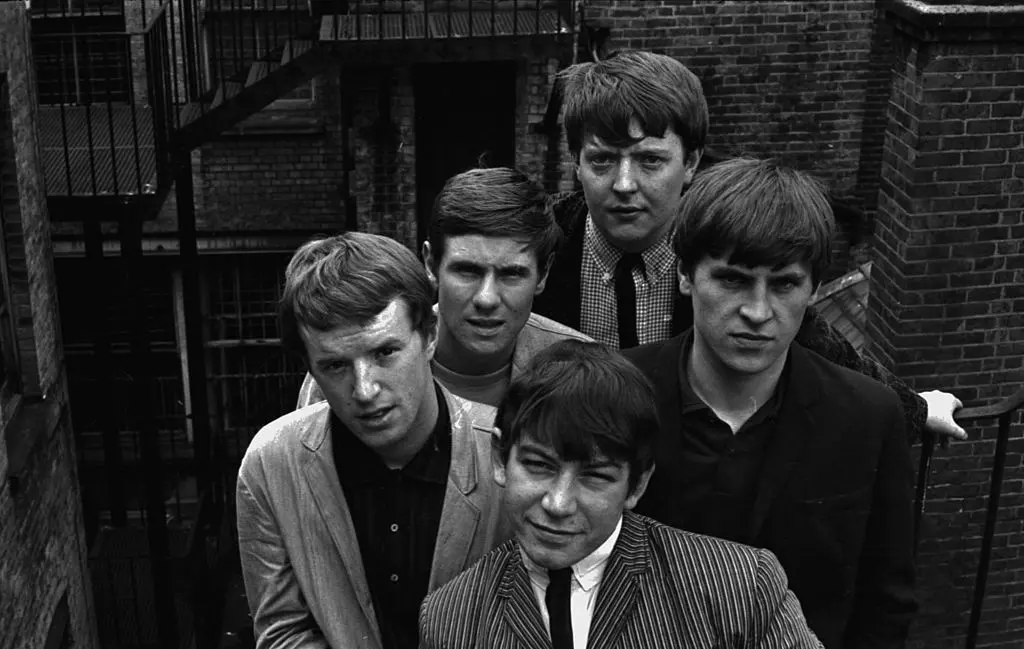
Guitar Solo: Hilton Valentine's light but expressive guitar solo also added depth.
Recording: The song was recorded in just one take on May 18, 1964 at De Lane Lea Studios in London. It was an extraordinarily fast and spontaneous recording.
Problems with authorship: Since the song is a folk song, its "authorship" has become the subject of controversy. In the original release of The Animals, the authorship was attributed to Alan Price, as he did the arrangement. This caused dissatisfaction among the other band members, who did not get an equal share of the royalties. Subsequently, the authorship was often referred to as "Traditional, Arranged by The Animals" (Traditional, arranged by The Animals).
Significance and legacy:
Breakthrough for The Animals: "House of the Rising Sun" established The Animals as one of the leading bands of the British Invasion, placing them alongside The Beatles and The Rolling Stones.
Influence on rock music: The Animals' electric arrangement of a folk ballad demonstrated how traditional material could be transformed into a powerful rock piece, paving the way for many future experiments.
Cultural impact: The song is frequently featured in movies, TV shows, and video games, showcasing its enduring popularity and cultural significance.
"House of the Rising Sun" remains a shining example of how an old folk song, through the talent and energy of its performers, can be given a new lease on life and become a global hit for years to come.






