
DecentraNode is a revolutionary decentralized platform built on the Ethereum blockchain, offering a unique combination of node hosting services and bot utility. Leveraging smart contracts and blockchain technology, DecentraNode facilitates the buying and renting of servers, Web3 infrastructure, and GPU computing power. Additionally, the platform incorporates a robust revenue-sharing mechanism for token holders, fostering a collaborative and community-driven ecosystem.
Contract: 0x014337b35167b3711195361Bb85259009e50a8a4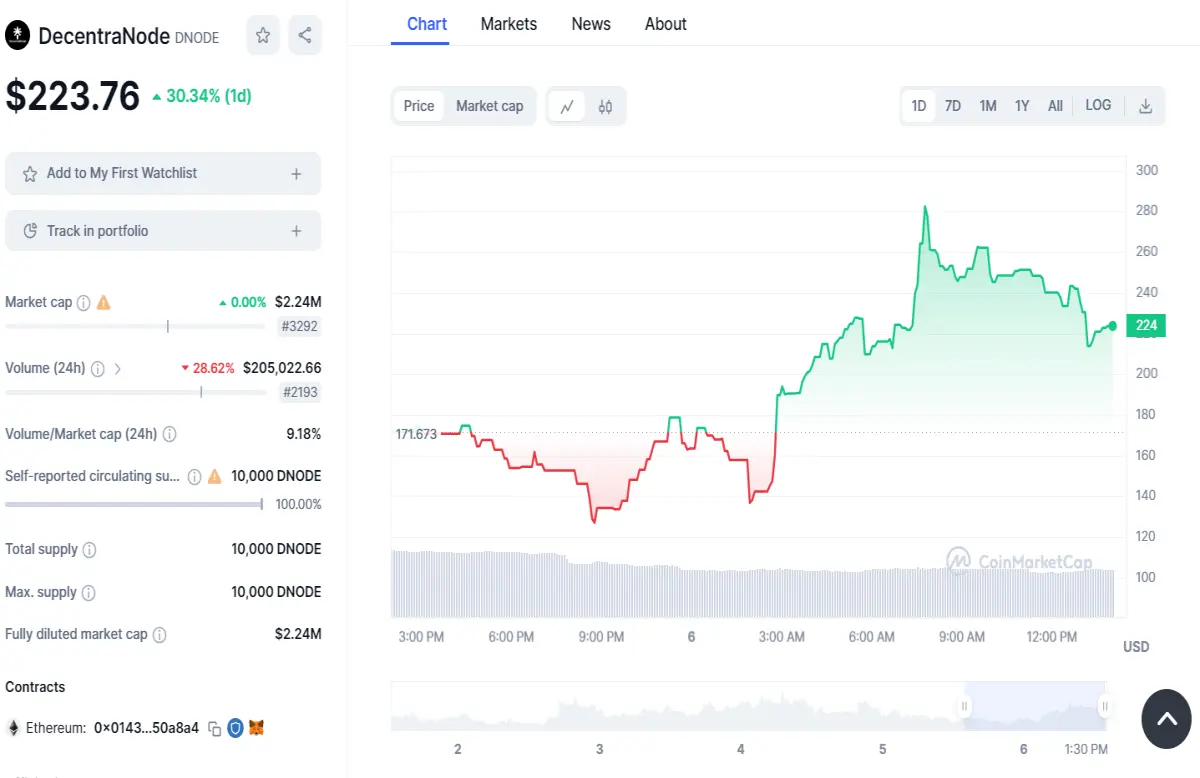
Architecture
DecentraNode is built on the Ethereum blockchain, utilizing smart contracts for transparent and automated execution of node hosting services. The platform's architecture ensures security, scalability, and interoperability with other decentralized applications within the Ethereum ecosystem.
 DecentraNode Ecosystem
DecentraNode operates on the Ethereum blockchain, leveraging smart contracts to facilitate transparent and secure transactions. The ecosystem is powered by the native utility token, DNODE, which serves as the medium of exchange within the platform.
Revenue Sharing Model
DecentraNode adopts a groundbreaking revenue-sharing model to incentivize token holders. A percentage of the fees generated from transactions within the platform is distributed among DNODE token holders. This mechanism encourages community participation and long-term engagement, aligning the interests of users with the success of the platform.
Governance and Upgrades
DecentraNode embraces decentralized governance, allowing token holders to propose and vote on platform upgrades, changes, and additions. This ensures a dynamic and responsive ecosystem that adapts to the evolving needs of the community
// Core Services
DecentraNode offers a diverse range of services, including:
Servers: Users can buy or rent server resources for hosting decentralized applications, websites, or any other computing needs.
Web3 Infrastructure: Access decentralized and distributed infrastructure components essential for Web3 applications, ensuring reliability and scalability.
GPU Computing: Enable users to tap into GPU resources for high-performance computing tasks such as AI, machine learning, and graphics rendering.






