
The first halving for Bitcoin on November 28th, 2012 saw the asset meandering around $12.50 up from $2.50 on the same date the year prior; Bitcoin stagnated though, and ended up approximately the same price it was during the halving at the end of the year (~$12.50).

Around the same date the following year in November 2013, Bitcoin topped out around $1,160, before going on a 2 year bear market that bottomed in January 2015 around $140; almost a 90% slump from it's high. Over the next year leading up to the second halving in July 2016, Bitcoin quintupled to about $700. It bounced between that price and it's all time high (~$1,200) till January 2017 ... and everyone knows how that year ended up.
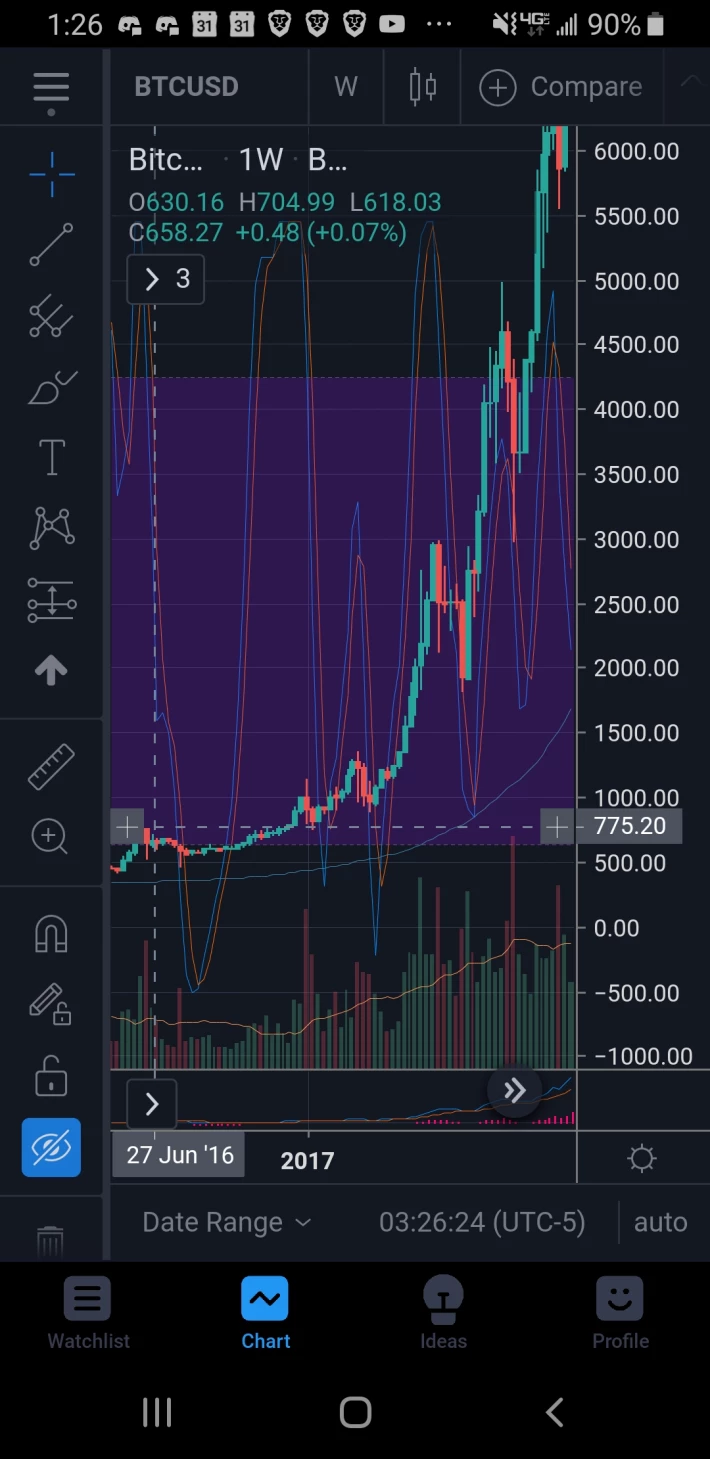
The price targets for Bitcoin on and after its 2020 halving set for mid May are all over the place: $20K, $40K, $100K, and even +$300K. Where ever it ends up, 2 things are certain though:
1st) The bear market down trend is officially over, and it's almost guaranteed to set strong support between $8K-$12K for the rest of the year. Higher lows are usually the only thing I personally care about, so whether we should be loading up on Bitcoin now or at the end of the year, one more thing is certain ...
2nd) The "Altcoin season" is in full swing. Alternative coins to Bitcoin, or Altcoins are unofficially made up of Development Applications [Dapps], Tokens and coinage.
The top of charts for this side of cryptocurrency, excluding Bitcoin and stablecoins (which I'll get to in a bit), in order of market capitalization see:
Ethereum in first place at $30 billion (3 million BTC); Stellar Lumens has tenth place with a $1.7 billion (167K BTC) valuation; Zero Cash [Zcash] in 25th place stands around $600 million ($67K BTC); Theta takes 50th place with $140 million ($14K BTC).
The different thing this time around isn't merely the staggering prices, but because of the aforementioned stablecoins & collateral platforms that offer savings accounts with interest near 10%.
These didn't exist in the rise of 2017; so once someone became wealthy, their choice was to divest completely, hold on for dear life [Hodl], or invest their asset in another crypto hoping the prices would stay high ... or stable.
Maybe you see where this is going. Readers may have noticed in the stated statistics above that, so far, Bitcoin has made and held up higher lows over their previous all time highs: Holding a myriad of about 30% in stablecoins in my personal portfolio over the past year's bear market, as an example, means the lowest my crypto assets or "blockfolio" could fall, changed from simply those lowest lows, to it PLUS my stables position. That increase in peace if mind, and the fact I don't have to wait a week or days for cash to "settle" while going from my wallet to the market.
The growing scarcity of Bitcoin, and increasing opportunities presented by Altcoins means the sky is the limit; but the fluctuations of Bitcoin alone from $3k to $15k, means those susceptible to Fear, Uncertainty & Doubt [FUD] and/or Fear of missing out [FoMo], will again cause drastic, parabolic upswings & perpetuate downtrends. The good thing now though, is that those that Hodlers have a tool in their war chest to diversify & stabilize their blockfolio.
Then enter the ability to leverage one's accounts.
Debt is a double edged weapon that changes lives, and one of the reasons Bitcoin was probably created.
Collateralizing crypto assets means the aforementioned market values aren't going to swap places (draining the value of one crypto when a trader switches a postion); instead all tides will inevitably increase, with many coins, tokens and Dapps moving in tandem (due to investment of one asset into another via collateralization), all this and higher lows thanks to Hodlers.
Problems will still exist of course. The collateral services may be inaccessible to those with shallow pockets; but from a macro perspective, even if those who would take out smaller debt positions, WERE able to secure funds, it could cause more harm than good; there are also the political issues with stablecoins themselves; some countries see them as ploys to circumvent laws, taxes, tariffs, sanctions or do other illicit activities.
Use cases individuals utilize aside, the story doesn't end with pegging value to just fiat; PaxGold, courtesy of the same Trust that is responsible for the Paxos stablecoin now has tokens with a value pegged to an ounce of Gold, backed by assets held in a U.K. vault. This means one can hold the value of gold AND cash to accent the bitcoin & other digital assets in their blockfolio.
Due to the general trend of Bitcoin being upward over the past +10 years, one can get lost in the hope that buying 1% of a Bitcoin today could eventually make themselves rich one day; theeeenn there's those that invert the chart & compare it to the depreciating purchasing power of the dollar. A dark omen that Bitcoin may be a clock showing how quickly a dollar is purchasing less as time goes on.
Quoting the value of Bitcoin in market capitalization, in the earlier stated top 50 charts, right now may make very little sense, but the growing disparity between rich and poor after this next bull run may be so massive, it will rival the current skew of millionaires & billionaires ratio to poverty ratio; and it would be up to Hodlers, in not just Bitcoin but other coins, to change the world for the better.
In conclusion, Bitcoin is going up in my opinion, yes. Though like classic Hodlers I doubt plan to ever really "sell" mine: I would rather take advantage of the new opportunities provided today, to stabilize an otherwise volatile blockfolio, pay taxes, and caputalize on the slow increase in valuation (or speedy, which ever is your view point). I too will watch people call the next "top" of Bitcoin $20K, $40K, $100K, etc & be tempted like them to dump their holdings at insane levels, buy expensive cars and buy a mansion.
... but what if in the future: Bitcoin is worth $100,000:
- Six figure Doctors would basically be getting paid 1 BTC per annum
- The median American: 0.5 BTC (or 50 million Satoshis)
- The poverty line, if nothing changes, would still be earning about 0.25 BTC per year
- Those working at the poverty line would be ecstatic to have earned 0.1 BTC ... in a year.
The list can go on, so I'll leave my readers with a hopeful statement, that perhaps the costs & cures for aging, cancer, space travel, nature restoration, etc, will also all follow suit. ... and that one of these Hodlers will be less focused on becoming a Trillionaire, and more so on changing reality as we know it.
Thank you for reading :)






