
BlackRock is on the move, and you might have noticed it. The financial giant’s recent plunge into tokenization isn’t just another experiment—it’s a bold step toward reshaping the way investments work. BlackRock’s BUIDL fund has already crossed the billion-dollar mark in assets under management, sending ripples across the industry. But what does this mean for the future of finance? Let’s break it down in a way that feels like a conversation between old friends discussing the latest headline.
Real world assets meet blockchain
You know how sometimes you wonder if traditional finance is keeping up with the times? Well, BlackRock seems to think not only is it time for change, but it’s time for a revolution. The concept behind tokenizing assets—known in industry circles as Real World Assets (RWA)—is simple yet revolutionary: it’s about shifting tangible financial instruments like stocks and bonds onto a blockchain platform. Imagine having your everyday assets available around the clock with the ease of digital transactions.
When BlackRock introduced its BlackRock USD Institutional Digital Liquidity Fund, or BUIDL, it wasn’t just testing new waters. Instead, it was planting a flag in what many consider the next big thing in finance. Unlike traditional funds that operate during set hours, the tokenized fund is accessible 24/7. Investors can check in on their assets at any time without worrying about market opening times or time zones. This round-the-clock accessibility is one of the key advantages of bringing blockchain into institutional investment.
Consider this: tokenization makes it easier for investors to access high-value assets that were once the domain of major financial institutions. By converting these assets into digital tokens, BlackRock not only boosts liquidity—allowing tokens to be exchanged quickly—but also enhances security and transparency. Every transaction is recorded on a blockchain, which naturally makes any attempt at fraud or manipulation much harder. In short, tokenization isn’t just a new tool in the financial toolbox—it’s a completely new way of thinking about investments.
BUIDL and the reshaping of institutional finance
Now, let’s get into the nuts and bolts of the BUIDL fund. Launched as a regulated, tokenized fund on the Ethereum blockchain, BUIDL is no small experiment. The fund requires a minimum investment of 5 million dollars, positioning it squarely for institutional players. Once the funds are raised, they’re invested in secure, stable instruments like U.S. Treasury bills, aiming for a steady yield around 4%. This approach might seem conservative, but that’s exactly the point—safety and stability are paramount when stepping into uncharted digital territories.
You might ask, “Why would a behemoth like BlackRock take such a gamble?” The answer lies in the desire to stay ahead. With partners like Ondo Finance, Ethena, and Frax Finance already jumping on board, the fund isn’t just a test run; it’s a clear signal to the market. By integrating blockchain into its investment strategies, BlackRock sets itself apart as a pioneer among institutional investors. The firm is not only offering a product that functions as a digital version of a money market fund but also testing the efficiency gains that blockchain can deliver.
What makes this move even more interesting is the dynamic nature of the token. Unlike traditional financial instruments that can only be traded during market hours, BUIDL tokens are fully digital and flexible. They can be exchanged, integrated into decentralized finance (DeFi) strategies, or even used as collateral in other financial products. This fluidity is exactly what makes the digital age so appealing to investors looking for innovation without compromising on security.
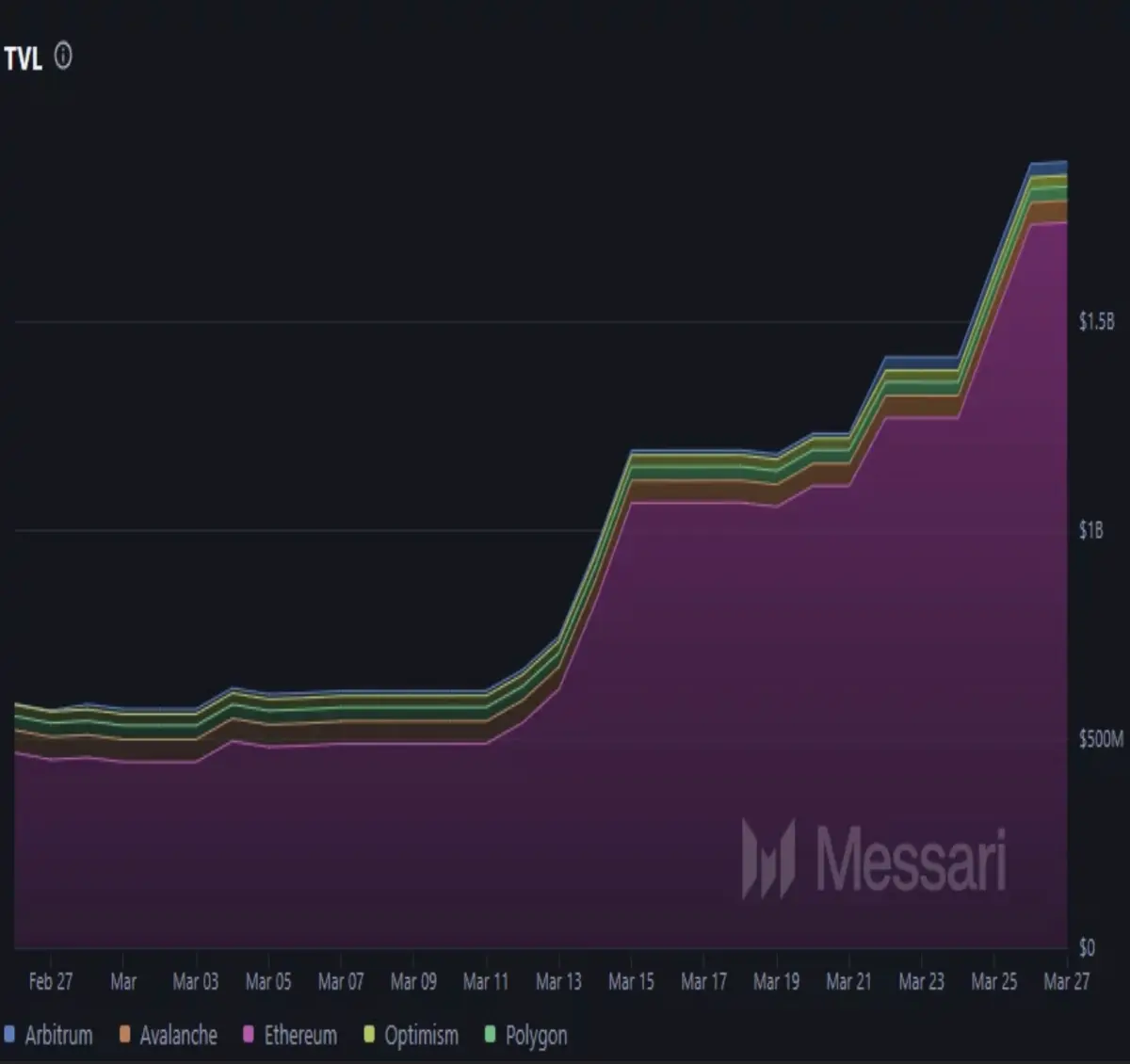
Furthermore, the rapid uptake of BUIDL has been impressive. Within a short span, the fund has attracted hundreds of millions of dollars, reinforcing the trust that the market places in BlackRock’s brand and its forward-thinking approach. The immediate success of BUIDL underscores a broader trend: traditional finance is increasingly merging with the digital realm, and institutions like BlackRock are leading the charge. It’s a clear case of old meets new, and the results are already causing a stir.
Challenges and future prospects
Yet, as with any bold move, there are challenges and doubts. What happens when regulators catch up? Can blockchain truly deliver the promised liquidity and transparency on a large scale? These are questions that keep even seasoned investors awake at night. While the stability provided by U.S. Treasury bills helps mitigate risk, the real test lies in whether tokenized funds can maintain their appeal when market conditions change.
Let’s be honest—there’s a certain skepticism in the air. Critics argue that blockchain is still in its early days, and its integration into institutional finance could bring unforeseen complications. For instance, although blockchain ensures transparency by logging every transaction, it doesn’t automatically eliminate risk. The technology must operate seamlessly with existing financial systems, and any hiccup could have wide-reaching consequences. Additionally, the success of tokenized funds depends on how quickly the broader market embraces the digital transformation. If adoption lags, BlackRock could be left with a system that’s ahead of its time.
On the flip side, the momentum is undeniable. The partners that have joined forces with BlackRock in this venture—names like Coinbase and Anchorage Digital—bring with them not just expertise but also a network that spans across the blockchain ecosystem. Their involvement signals confidence in the new model, suggesting that the industry’s shift towards digital finance isn’t just a passing trend.
Think of it like the early days of the internet. Initially, many doubted its potential, but over time, it completely transformed how we live and work. Similarly, while the current landscape of tokenized assets might seem uncertain, its long-term impact could be profound. BlackRock’s strategy is a calculated bet on a future where finance is faster, more accessible, and integrated with digital technology at every level. The choice to deploy the fund on Ethereum, known for its robust network and support for DeFi applications, is a testament to the company’s confidence in this technology’s potential.
It’s also interesting to note how BlackRock is not stopping at just one blockchain. With plans to expand the BUIDL offering across major networks like Aptos, Arbitrum, Avalanche, Optimism, Solana, and Polygon, the company is clearly aiming for a diverse and resilient ecosystem. This multi-network approach could potentially insulate the fund from issues related to any single blockchain’s limitations, while also tapping into the unique advantages each platform offers.
And while BlackRock is moving quickly, it’s also sparking debates among market observers. Some see this as the natural evolution of finance—a merging of traditional methods with cutting-edge technology—while others worry about the regulatory uncertainties that lie ahead. What if regulators impose strict rules that slow down innovation? How will this affect not only BlackRock’s operations but also the broader push towards a digitized financial market?
These questions, though challenging, are part and parcel of any significant innovation. BlackRock’s bold move is likely to set the stage for future discussions on regulation and market adaptation. In a way, the uncertainties add to the excitement, as every major change in finance has always come with its fair share of both enthusiasm and apprehension.
And now ?
In wrapping up, it’s clear that BlackRock is not merely dipping its toes into the waters of tokenization—it’s diving in headfirst. The BUIDL fund is more than just a new financial product; it’s a statement. A statement that traditional finance is ready to evolve and that blockchain, with all its potential and pitfalls, is a key part of that evolution.
So, what does this mean for you as an investor or a curious onlooker? Simply put, it signals a shift in how financial assets might be managed and traded in the near future. BlackRock’s venture into tokenized funds paves the way for more innovations that could make investing both more dynamic and more accessible. And while there are challenges ahead, the conversation around tokenization is only just beginning.
As we watch this space, one thing is certain: the integration of blockchain into mainstream finance is stirring up both excitement and debate. Whether you’re optimistic about the future or cautiously skeptical, it’s hard to ignore the impact of this digital revolution on how we think about and interact with money. The path forward may be fraught with challenges, but it also offers the promise of a financial system that is faster, more secure, and more in tune with the digital age.
In the end, BlackRock’s tokenization strategy isn’t just about keeping up with trends—it’s about setting them. And as the lines between traditional finance and digital innovation continue to blur, one can’t help but wonder: are we witnessing the dawn of a truly new era in investing? Only time will tell, but one thing’s for sure—the conversation has just begun.






