
Article first published on my personal blog at HIVE.
Hello, friends and nature lovers. I hope you’re having a wonderful day. Not long ago, I wrote about finding beauty in the smallest things, and today, I want to share with you the beauty and simplicity of some wild plants. Living in a tropical area, I’ve grown accustomed to the abundance of green in nature, and sometimes, I overlook the variety of plants surrounding me. Therefore, I decided to capture some of them in photographs to share with you today.
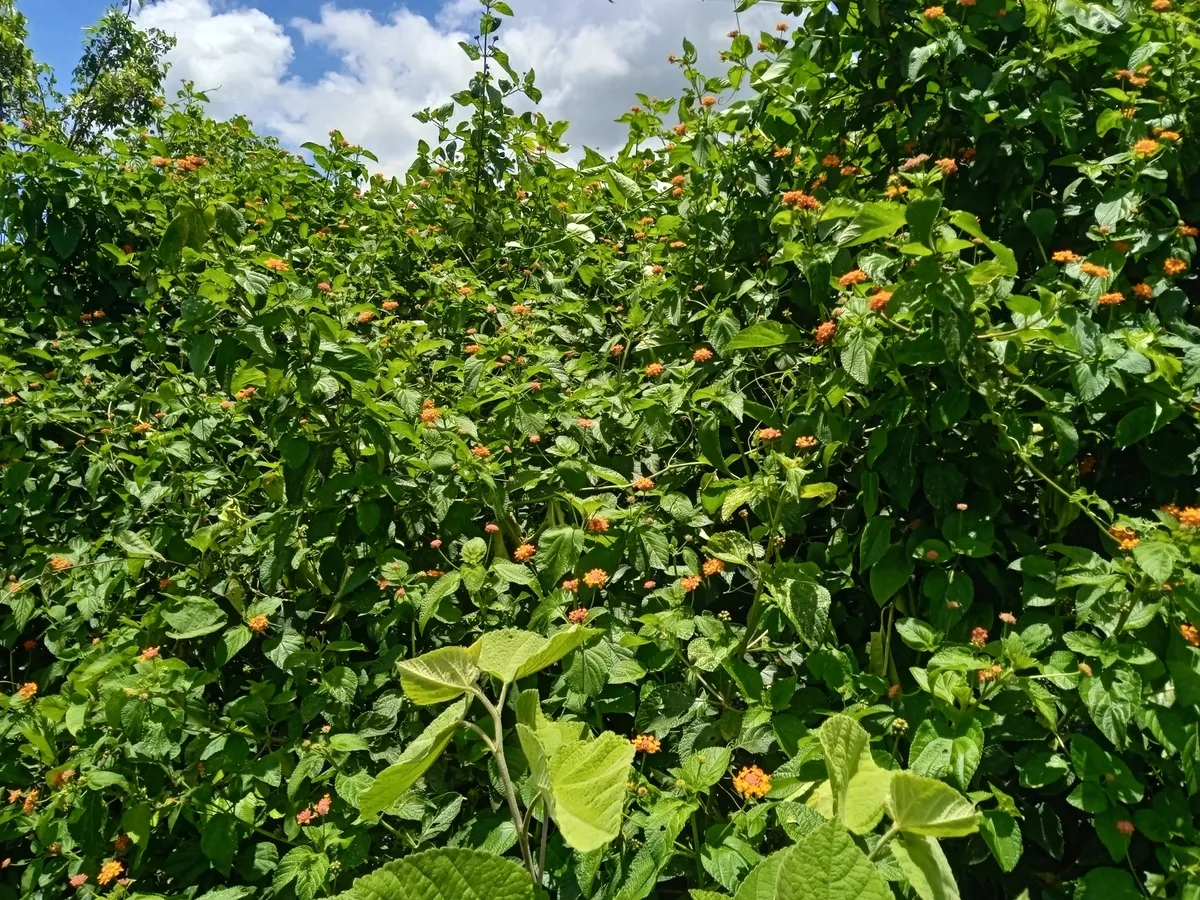
Each of these plants has grown naturally, and together, they create a beautiful spectacle of simplicity and beauty.
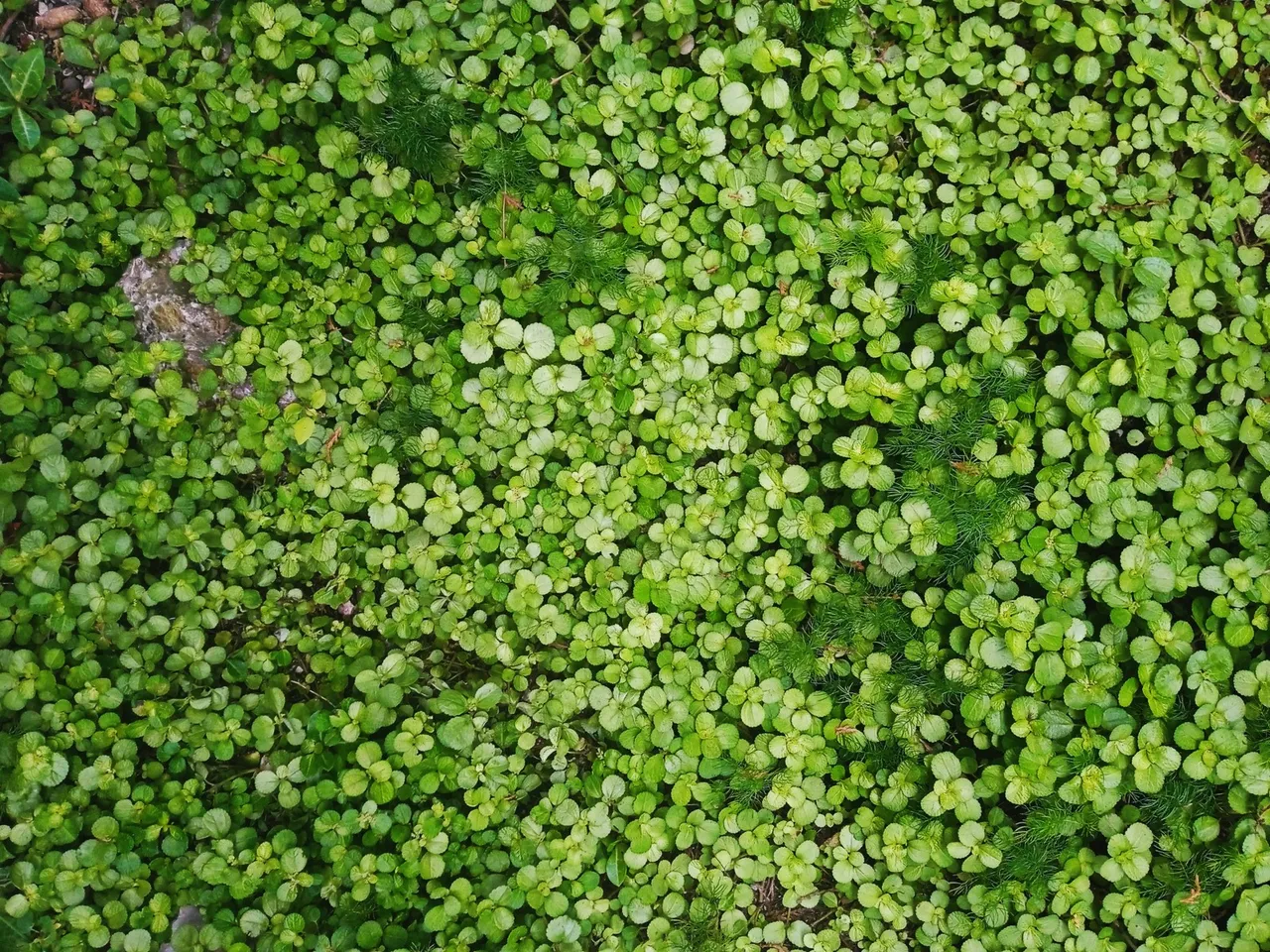
We start with this lovely plant that covers most of the ground in damp areas. It manages to spread and fully cover surfaces spanning several meters, demonstrating great resilience, even to the constant tread of people. Its leaves are small, soft, and rounded. I’ve tried to identify it using various apps, but I haven’t reached a conclusive result.
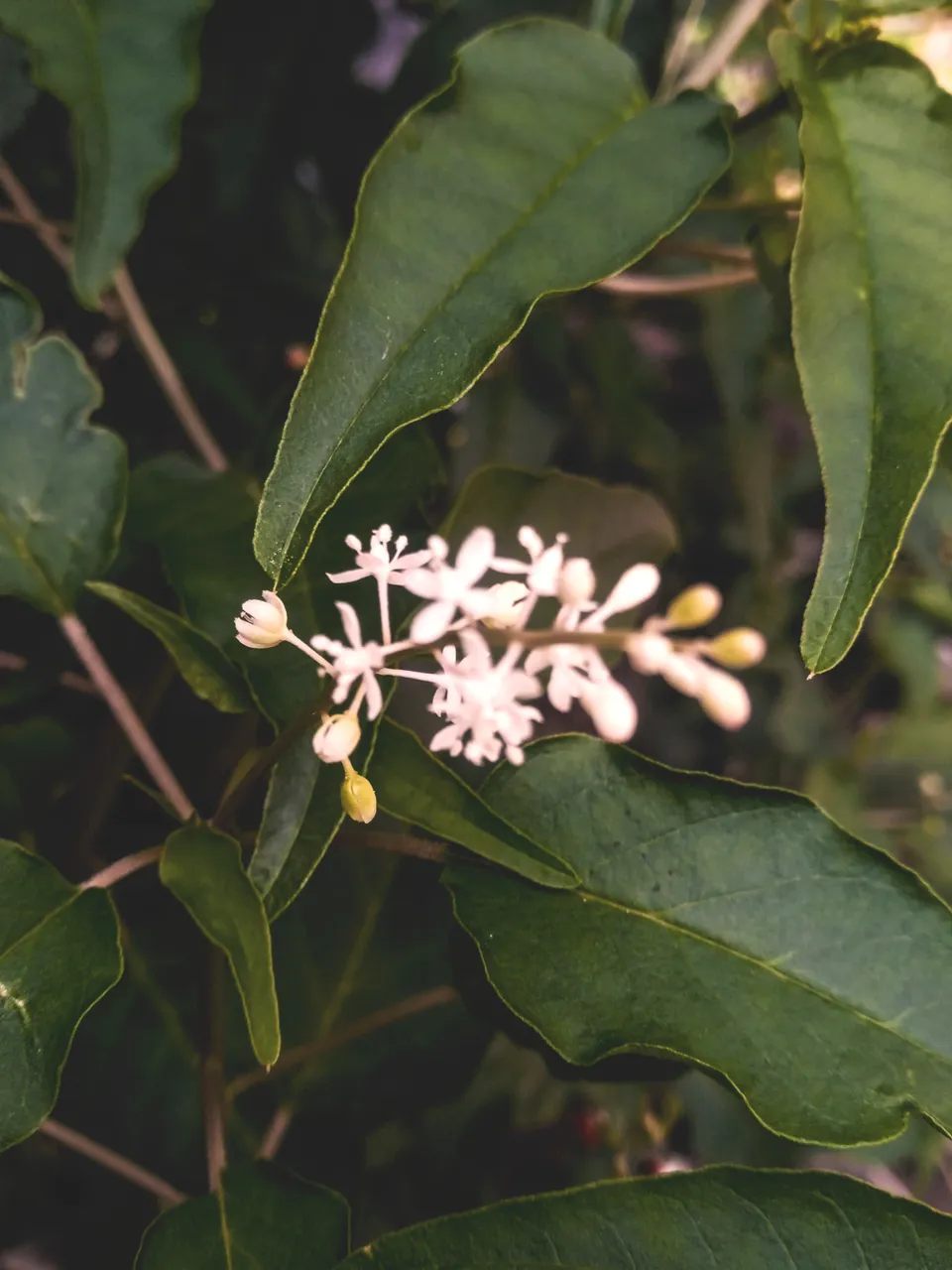
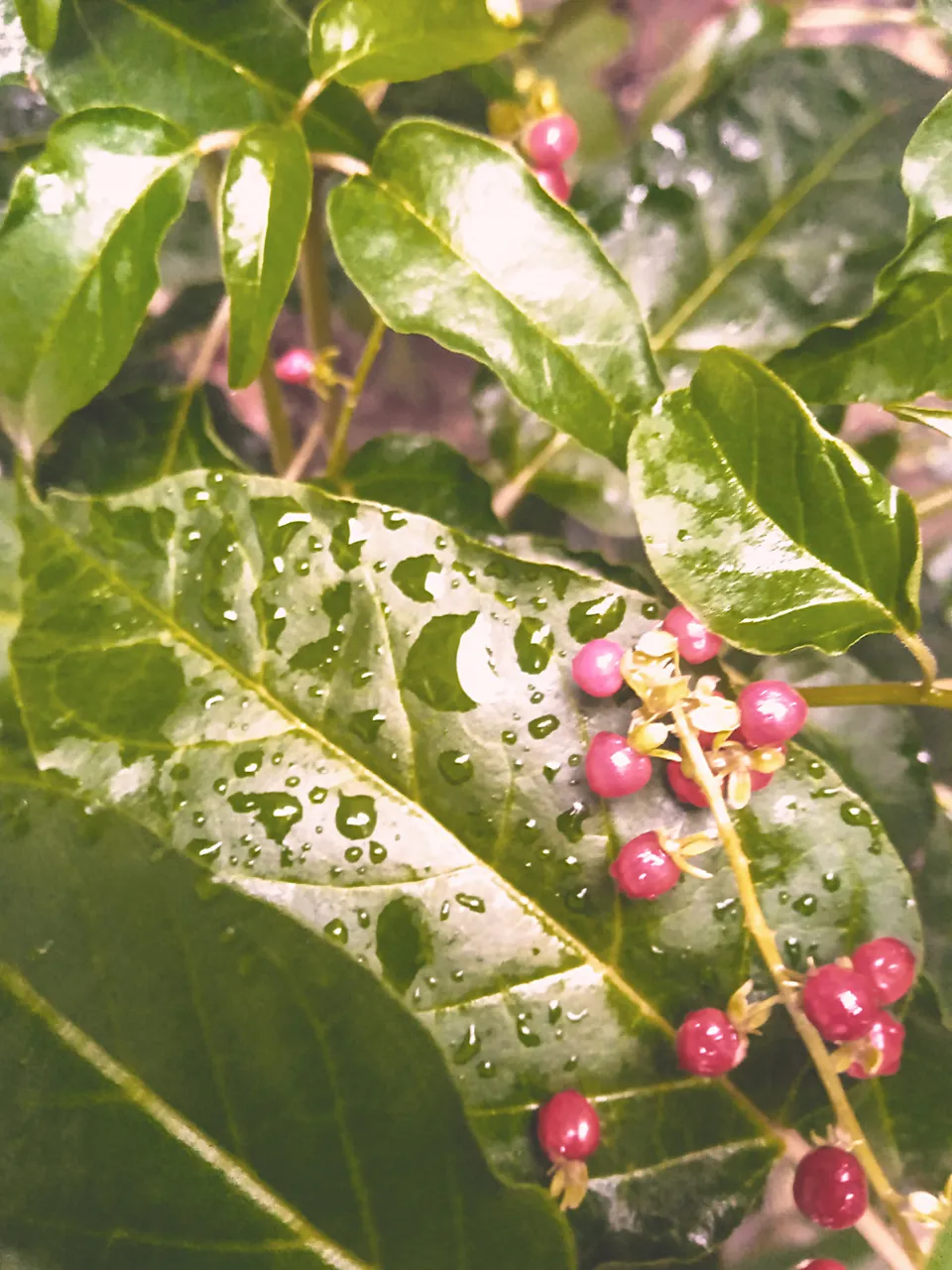
Just a few meters away grows a plant I’m quite familiar with: it is a Rivina, easily recognizable by its small, almost white, pink flowers and its red, small, rounded fruits that grow in clusters. To the touch, they burst, leaving red stains on your hands. Some medicinal benefits are attributed to this plant.
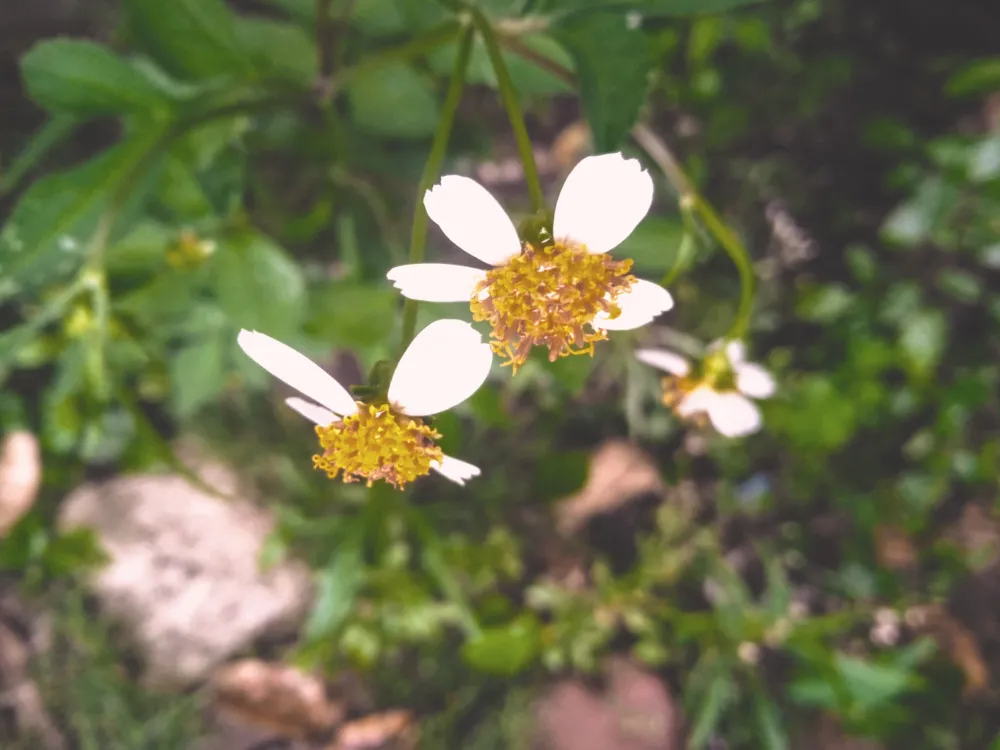
The next plant is none other than my beloved romerillo. Interestingly, I recently discovered that in some places it’s called ‘amor seco’ (dry love), a name that intrigued me. This plant is commonly used in my country’s natural medicine, especially by singers in the past to relieve vocal cord tension. They would grind the plant with hierba buena and bee honey, then infuse the mixture. Another interesting fact about this plant is that its true flowers are located in the central yellow area, responsible for reproduction.


With its bluish, almost purple flowers, this plant is known in my country as ‘saltaperico’ or ‘saltasalta’. But if you can’t find it by this name, it’s the Ruellia Tuberosa. Along with the beauty of its bell-shaped flowers, its fruits stand out the most: brown pods that, when ripe and in contact with water, cause a small explosion that releases its seeds, leading to the plant’s rapid dispersion in the area. I spent many hours of my childhood collecting these fruits just to watch them explode.
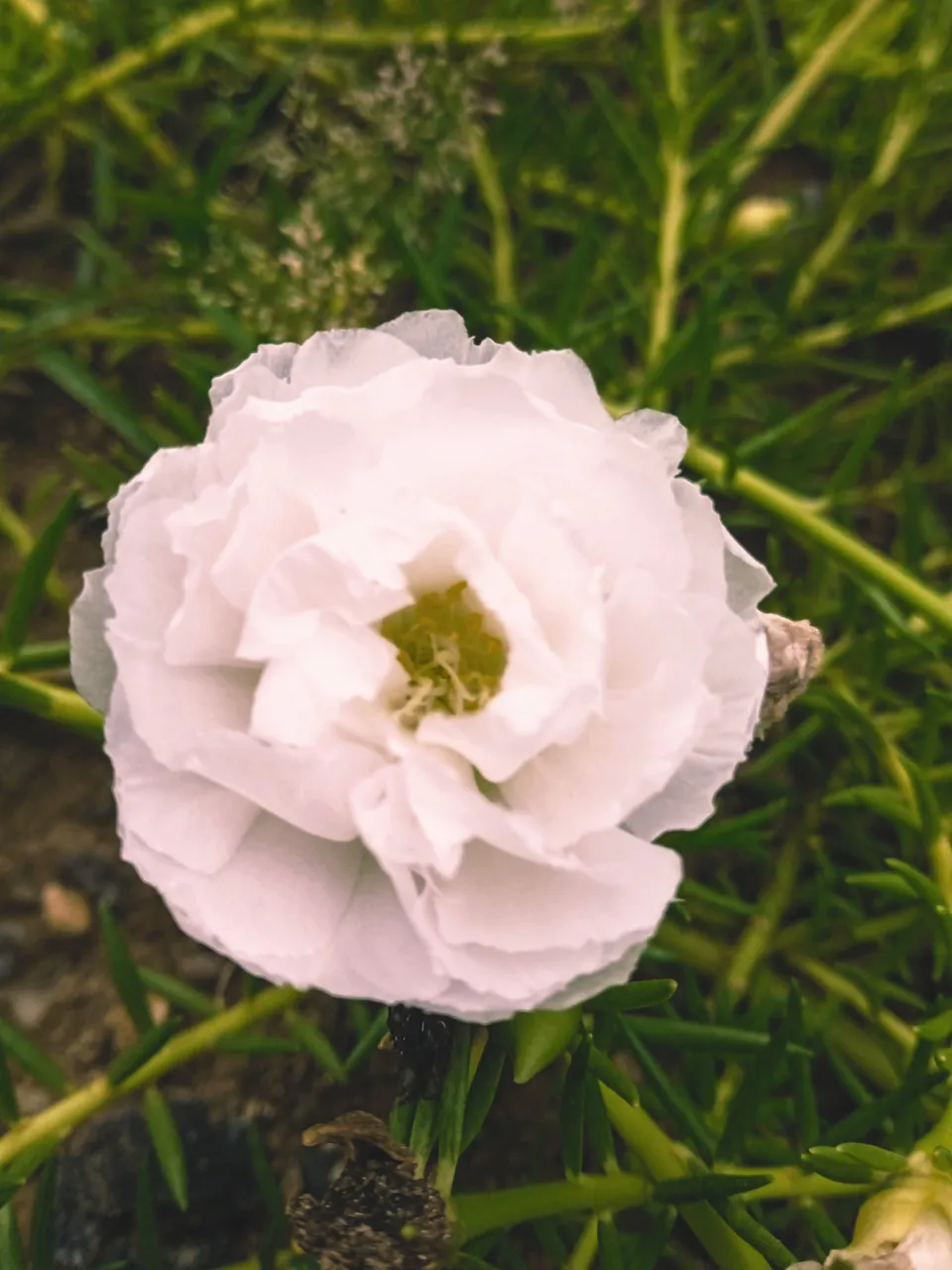
The Flor de Ceda, also known by many other names, is a must-see on this tour, standing out in various colors and shapes. Although it’s one of those plants that resist the garden and prefer the freedom of nature, it’s quite demanding when it comes to potting.
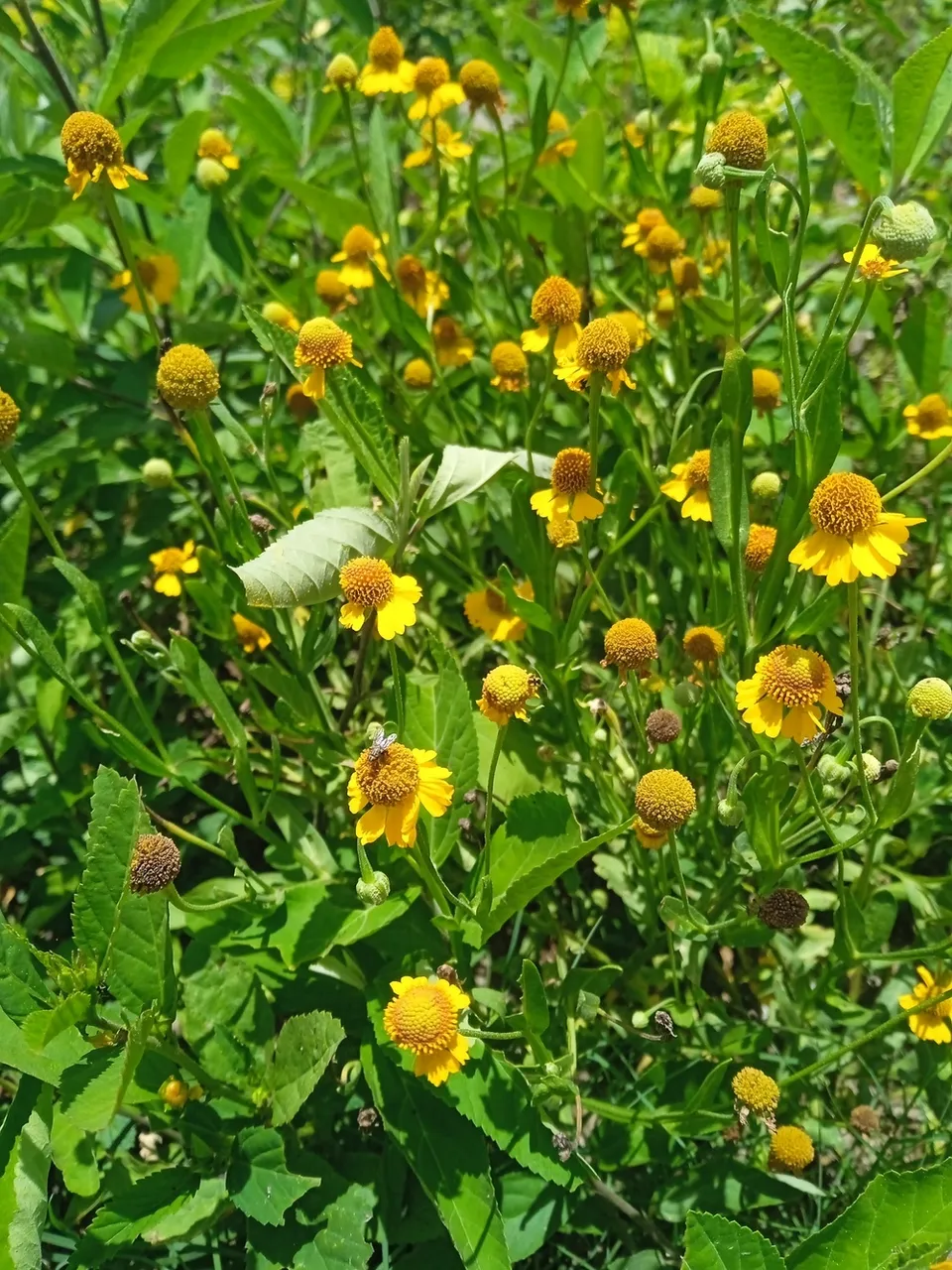
We conclude with another of my favorites, the manzanilla de campo, a misunderstood plant perhaps due to its not-so-pleasant aroma or the allergies it’s said to cause. But I can’t imagine the plains of this island without this plant and its tiny, beautiful flowers.
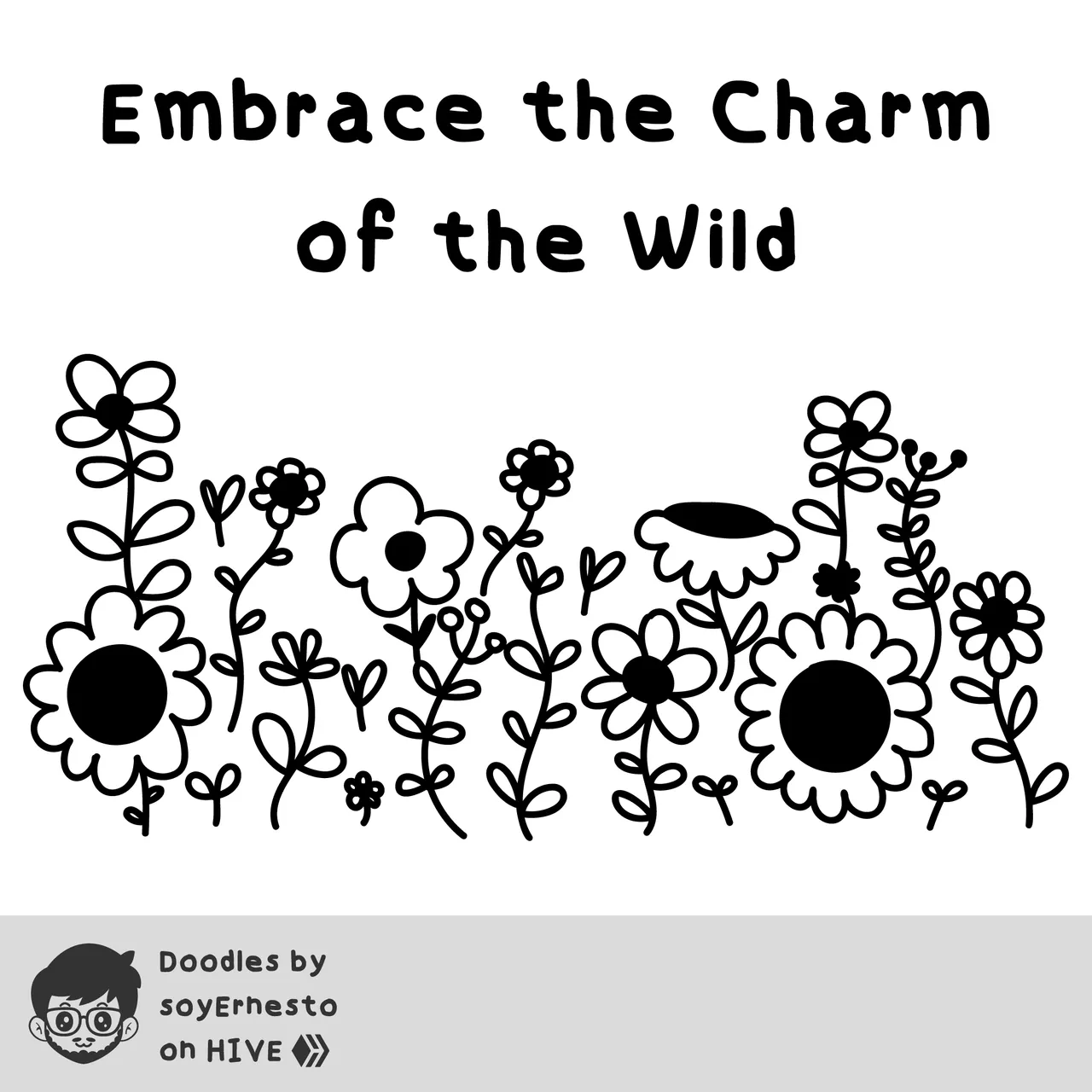
And, as it’s becoming a habit on my blog, today’s #doodle couldn’t be missed.
Well, friends, that’s all for today. I hope you’ve enjoyed reading and learning about these wild plants that adorn my country’s fields with me. If you’ve enjoyed reading, your support and comments mean a lot to me, as well as any questions or suggestions you might have. I’ll be more than happy to answer you. Warm regards and thank you for reading. See you in the next post.
Translated with DeepL.com (free version)
I apologize if there are any grammatical errors, English is not my native language, I have tried to be as careful as possible.
I regularly create images on Pixabay, which are free of copyright. Access my gallery by clicking here.
All assets, illustrations and banners have been created by me and are original content, unless otherwise specified.
Photos taken by me using my Redmi 9A phone and native camera app, edited in the Lightroom app.
Cover created in Canva.






