
Societies exhibit hierarchical structures, with the hardworking individuals at the bottom and those above reaping the benefits. Similarly, nature operates on a pyramid-like structure, with us humans perched at the top, often oblivious to those at the bottom. When I asked my friends who they believed occupied the bottom of this natural pyramid, the common answer was plants or herbivores. However, I believe there is another overlooked and vital class that resides at the very bottom: bacteria.
During our childhood, we were repeatedly told to wash our hands diligently, fearing the ingestion of harmful bacteria (even though dirt seemed to find its way into our mouths regardless). This ingrained the notion that all bacteria were bad and should be kept at bay. Well, the reality is not so simple. While it is true that certain bacteria can be lethal, our existence would be impossible without them. Astonishingly, if we were to count all the cells in our bodies, we would discover the presence of trillions of bacteria. In fact, the number of bacteria surpasses our own human cells by at least tenfold. Even within our cells, entities called mitochondria, with origins in bacteria, have evolved in symbiosis with us and now act as the primary "engine" that powers our cells.
But where do we find these multitudes of bacteria? The majority resides in our guts, playing a vital role in breaking down and digesting food. To truly grasp their significance, scientists conducted experiments involving germ-free rodents. They discovered that rodents without gut bacteria needed to consume significantly more calories to maintain their body weight. Moreover, when these rodents were later exposed to bacteria, their fat levels skyrocketed. This illustrates that the bacteria in our guts enable us to survive with less food. Without them, we would struggle to assimilate essential nutrients from the food we consume.
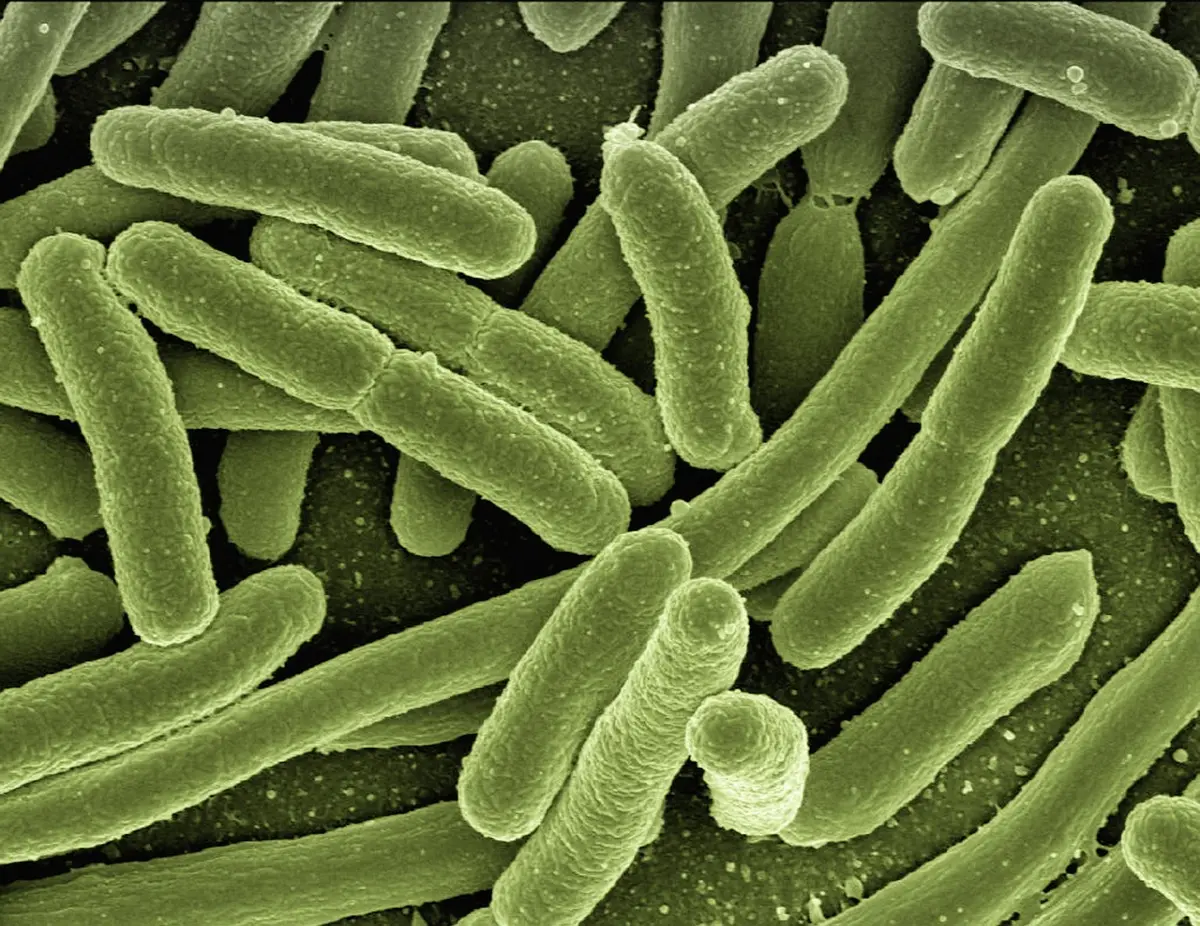
However, bacteria are not limited to our guts alone. Our mouths harbor billions of bacteria as well, and their sheer abundance ensures a delicate balance within our oral microbiome. Interestingly, research has shown that individuals with cavities often possess fewer bacterial strains in their mouths. When our diet goes awry, inundated with sugary foods, this equilibrium in our microbiome can be disrupted.
We often categorize bacteria as "good" or "bad," but in reality, the situation is far from black and white. Our ability to coexist harmoniously with trillions of these cells hinges on maintaining a delicate balance. If this equilibrium falters and certain strains of bacteria become dominant in our bodies, problems are likely to arise.





