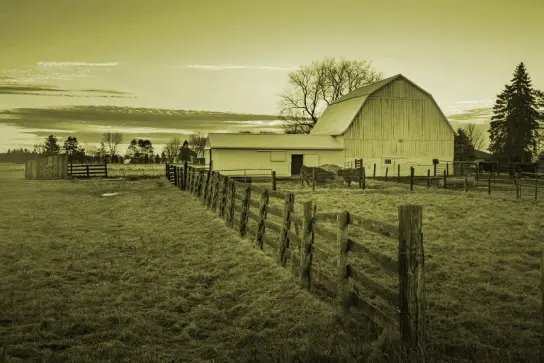
Once upon a time there was a small farmstead. Not a lot there. A few plots of land, some cattle. The range and prairie. Montana. A small family. The three children, Julie, Sarah and their younger brother Chad liked to ice skate in winter on the frozen ponds. If the ground got too hard and they couldn't go out riding the ranch ponies, well they were happy enough sat in front of the TV set watching Mickey Mouse.
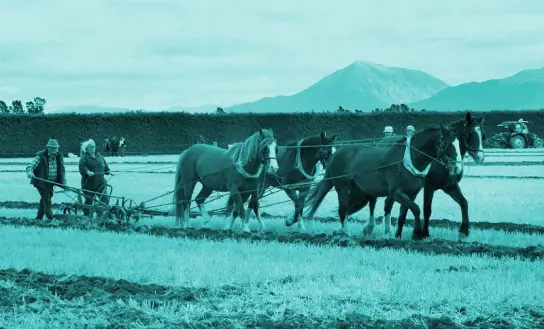
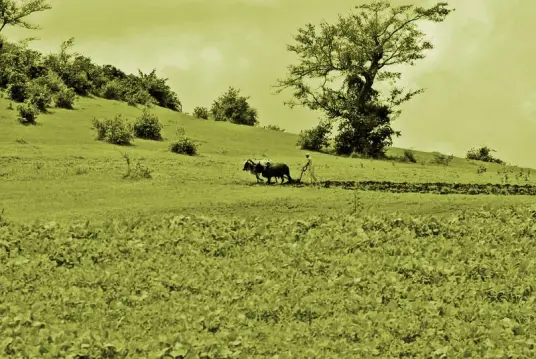
The farm was run by their hard-working Ma and Pops. It had been in the family for a century and all the family felt a connection to the land they tilled and cultivated. The old folks liked to do things the old way so horses helped plough the land.
It was a cosy setup but such traditional if sustainable methods of working the land one lived on were increasingly at risk. The main threat came from big agricultural corporations. These agri-corps bought up farms across the States and around the world, using economies of scale to reduce the price of crops, thereby making the homesteader's livelihood increasingly untenable. The neighbouring families found it difficult to make a living. Bit by bit these families moved away as the Big Farmer industry moved in.
When winter came on the ground got hard and iced up. The family got in hock. They had to sell the two cows. It was a sorry tale. Julie happened to meet up and fall in love with a guy who worked for one of these agri-tech companies.
'It's the way the world is now,' said Chad. 'You have to be realistic. The corporate whales eat the small shoals of fish.'
Julie and Chad moved out of town, renting an expensive apartment for weekends in Martha's Vineyard. Julie would write home sometimes. 'Look Mom, even in Massachusetts my farming skills come in handy.'
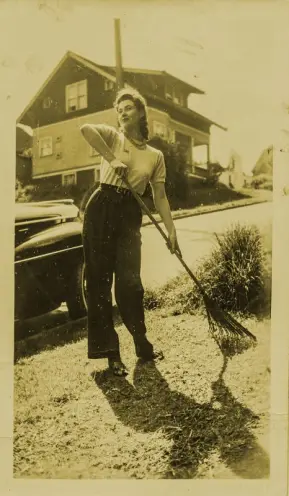
That gave her husband Chad an idea, but we'll get back to that later. In Montana an extreme cold spell brought a persistent frost and weak crop and on top of that the big agricultural corporations were competing with each other to reduce the price of wheat. The tried and tested methods of horse-power to farm the land wouldn't cut it in this new economy. Young Bradley kept on at his father, 'Pops, this just won't work any more. Those big companies are earning so much on their crop yields they'll starve us out. You know our crops at market barely raise enough to pay for the upkeep of the farmhouse. If we don't invest we're finished.'
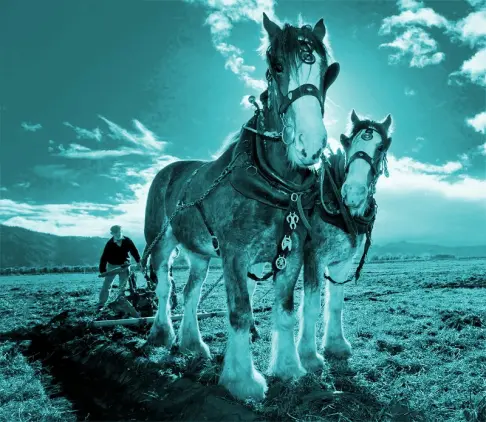
The father, as stubborn as his carthorses were strong, just wouldn't listen. He began to take to drink as the farm got deeper in debt. Bradley's recourse was books, education, and he found the internet useful for broadening his knowledge. Bradley had always been an avid student with impassioned politics and crazy hare-brained schemes for changing the world. He got involved in a message group discussing the global economics of food production, farming, the politics of trade and some new technology for economics that Brad didn't really understand. Something to do with the blockchain.
One night the old man and Bradley had a blazing row. With a sad heart, the boy moved away to college.
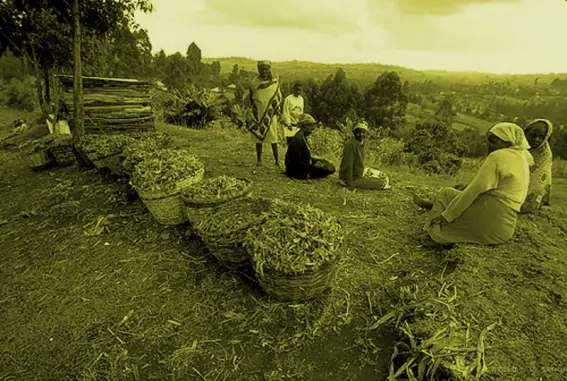
Sarah, the middle child, had always been a wanderer and traveller. As a child she loved the lyrics of Joni Mitchell and, like her hero, kept moving on. She was studying too and living with a community a long way away in Eastern Uganda. Sarah found that the farming families here faced similar problems to those she had grown up with. They grew sorghum, cassava and corn but these were not good crops for sale in small quantities. Again the Big Farmer was taking them out of the market. Sarah was in touch with Bradley and Julie and Chad. She called her younger brother up.
'Bradley, these companies are ruining everything. They pollute the planet, shipping food from one continent to another, devastating local communities as they do so.'
Bradley put the same thing to Julie: 'If only they would tax the distance a crop travels to market...'
This would ensure the Ugandan farmers would obtain higher prices for their goods and could sustain a living keeping the Big Farmer companies out of their livelihood. But who could implement such taxation and oversee it? Neither the US corporations nor the Ugandan government were going to be too happy about this change to the status quo.
And yet the more Bradley thought about it the more it seemed to him like a win-win situation. Produce grown locally was both better for the environment and supported local communities. It wasn't just Uganda. It might just keep his own family's farm going. 'But the powerful people don't see it like this,' said Bradley.
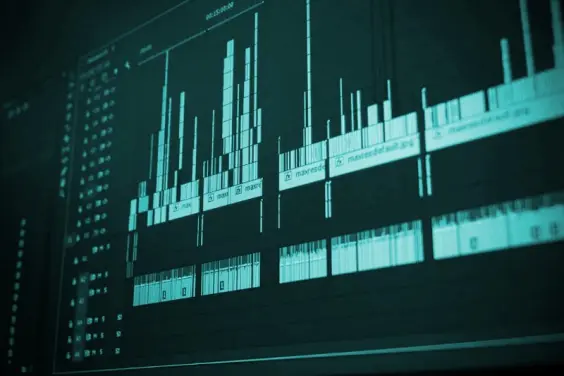
Julie sighed at her little brother's much-heard complaint. At home in the Vineyard, Chad listened. Chad wasn't doing much. He'd become a bit bored with his job. It was just day-trading now, buying and selling packages of commodities. His office ran powerful data analytics programs on servers around the world to calculate the best arbitrages and trades available. Chad missed the venture capital side of the business from his younger days, when he'd scoot around farms in the Midwest to seek ingenious methods for raising crop yields.
'Tokenisation,' said Chad, 'that's what you need.'
'What?' said Julie.
Chad went on: 'If it suits a lot of little farmers everywhere around the world then maybe they can come together and see if they can code it into some smart contract. So, maybe the crop itself can't be tokenised but a tractor can be fitted with an IoT device to read its geographical location. Sure, you could do the same with a mechanical plough.'
'What would these IoT devices measure?'
'Just geographical co-ordinates... GPS. So you measure where the ploughing is taking place and where the person doing the ploughing lives.'
'This data is stored on the blockchain. And you tokenise that, which is to say you reward those farmers living near where their produce goes to market, and penalise those whose companies are headquartered thousands of miles away. Food miles... you just code up a blockchain system and any small farmers who want to adopt that reward protocol just sign up. It's a system that rewards small farmers and local farming communities.'
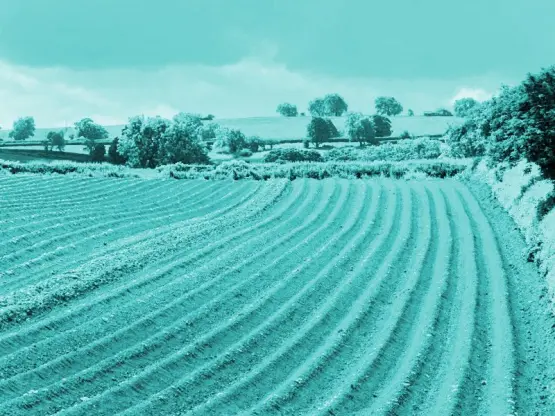
'The smart contracts would ensure the system benefited local farmers. Goods sold close to where they were produced would gain tokenised rewards. Tokenisation could work like taxation to keep out the big companies and act as a disincentive to large agricultural corporations.'
Excited with Chad's new idea, Bradley soon moved back to the farm. Sarah stayed in Uganda and worked to spread the word, seeking out communities in other regions. And Chad made a few phone calls to some people he knew in the trade. This had always been a close-knit family but they'd never worked on such widescale projects. For them it was all about localisation and supporting local people. This blockchain idea really offered some promise to the people putting in the hard work - the small farmers and communities.
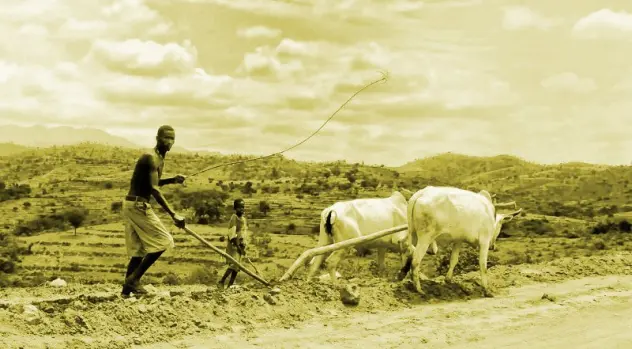
They took this idea of tokenisation for low food miles and ran with it. Chad took the project on full-time. He sought to hire the various coders for the blockchain side of things and began to raise venture capital, slowly and sensibly. Sarah was heavily involved, soon travelling to many countries and hiring many people, enabling more and more small farmers to become tokenised early on following the new protocol's launch.
Young Bradley learned to code and to teach the revolutionary economics of the blockchain. Still he moved back home. It took some persuading but finally Pops agreed to let the younger generation install one of the very first batch of their token-connected IoT devices into the farm's oldest plough.
'What do I want with this new-fangled gadget?' said Pops.
'Dad,' said Bradley. 'It's progress. And it's bread for the people.'