
Key Highlights
-
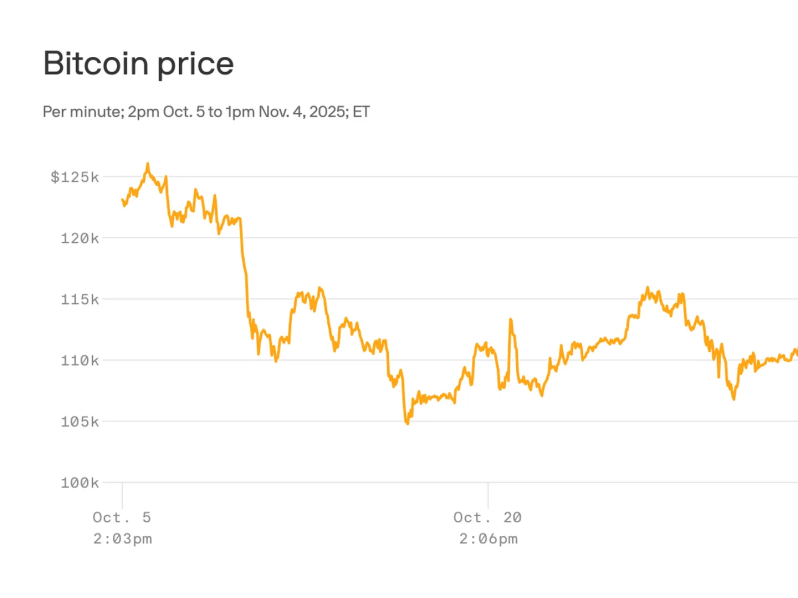
Bitcoin's price below US 100,000 has decreased for the first time since June 2025 due to an increase in crypto market losses of over US dollars. This decline has been fueled by both long-term holder sell-offs and increasing macroeconomic concerns.
-
Experts have conflicting opinions on the topic, with some calling it a "healthy reset" and others suggesting rumors of invasive bears. What exactly is this? However, elated voices anticipate a prompt recovery.'
-
The strength of Ripple's partnership with Mastercard for stablecoin payments and crypto' emergence in Washington indicates long-term stability.
-
According to the data, liquidity may rebound, but the uncertainty surrounding Federal Reserve policies complicates matters. Investors are advised to take both risk and opportunity into consideration.
What’s Happening Now
In a manner, the crypto market was on ice during November after its thrilling October heights. Since June, Bitcoin, the king of cryptocurrency, has not touched its level since then. Almost 9% of Ethereum's value was lost, and the total capitalization decreased by trillions.
Pahlistic sentiment has been heightened by the massive sell-offs of "Whale" long-time investors who have lost approximately US$45 billion and concerns about the AI trade in traditional markets.
Why This Matters to You
The evidence suggests that sharp declines can serve as a strategic gateway, but it requires careful planning. Analysts, including Arthur Hayes of The Straits Times, suggest that the rise in U.S. debt could lead to a type of "stealth QE" that would inject liquidity into Bitcoin and push it higher to new levels.
Despite the potential for peak despair among retail investors, Bitwise CIO Matt Hougan cautions that a complete "crypto winter" is not expected. This serves as reassurance that institutional adoption is increasing alongside volatility, making the long-term outlook more favorable.
Current Prices — Top 10 Cryptocurrencies (as of November 5, 2025)
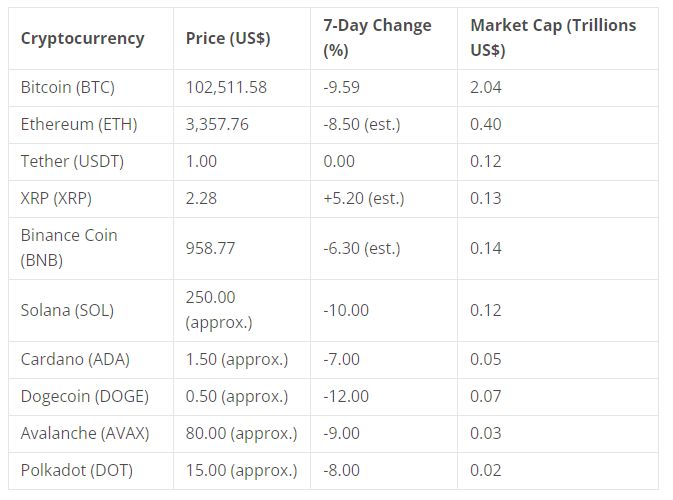
The crypto realm appears to be a suspenseful spectacle in November 2025, with heros ascending to extraordinary heights, villains lurking behind the scenes, and an unencountered conclusion. It's all very different. There is no way to tell whether there will be redemption or more drama.
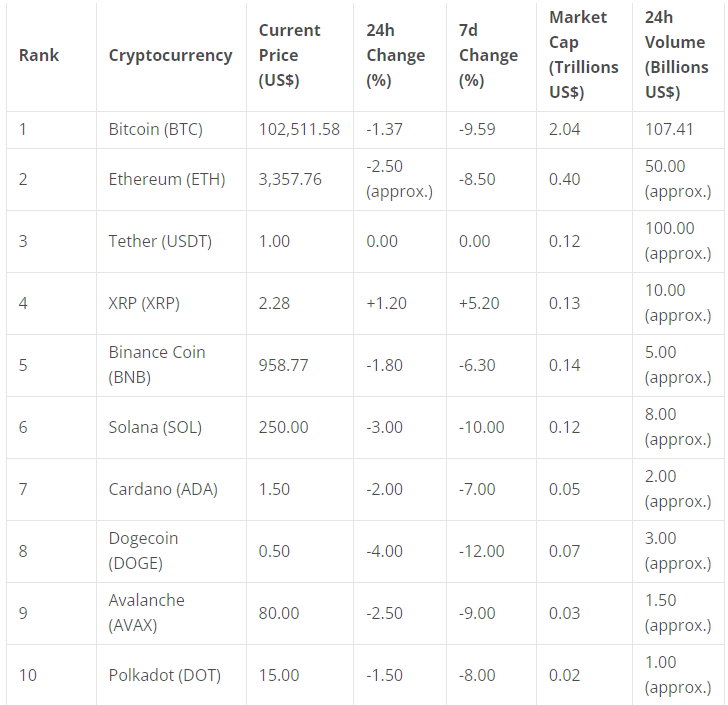
The beginning of Bitcoin's "Red October" was a departure from its previous seasonal gains, which had been steady for seven years. The market's total capitalization, which was over US 4 trillion, has now dwindled to less than US 1 trillion. This phase will eliminate the cumulative gains achieved in 2025. Bitcoin fell below US 100,000, but then returned to US 99,966 with a rebound near US 101,300. More than 441,000 traders were affected by the rise in total liquidations, which amounted to over US 1.8 billion within ten minutes of trading, with Ethereum dropping almost 9 percent to US 3,275.
A perfect storm was present behind this sharp correction. Uncertainty caused record leverage to increase losses. Whales' deliberate sell-off of US 45 billion in Bitcoin was different from October's leverage-driven crash. The Fed's hawkish tone contributed to the cooling of December rate cuts, while concerns about overhyped AI-related equity investments (such as Palantir) led to a domino effect across risk assets.
During its rise, Bitcoin separated from traditional assets but maintained a balanced performance during its fall on the same day, with shares of Nasdaq dropping by 2 percent and gold by 16%. But bearish signs are not always the case.. This is a positive development, as stated by Rachel Lin, CEO of SynFutures.
There was no structural change after the strong gains in 2025.
The Fed will need to provide stealth liquidity injections for crypto due to U.S. debt levels, as per Arthur Hayes, a former CEO of BitMEX who remains bullish and supportive of the cryptocurrency. He expects a reprise of the bull market.’ The.
Matt Hougan of Bitwise predicts that Bitcoin will reach new all-time highs of US 125,000–US 130,000 by 2025, citing strong structural demand and fixed supply. He also acknowledges "peak despair.".
The positive aspect of crypto's growth is its political and institutional influence. Until regulatory approval is granted, Ripple's partnership with Mastercard to use RLUSD stablecoin to process credit card transactions on the XRP Ledger may signal a significant move towards mainstream integration. Ethereum, BNB, and XRP are the top picks for November, thanks to institutional interest and improvements in their blockchain.
Paul Howard from Wincent believes that a possible bear market could align with the 4-year cycle of Bitcoin, but if prices remain above US$100, panic may not ensue. Hashdex's Gary O'Shea acknowledge enduring macro pressure (tariff and equity valuations) but still sees Bitcoin' investment case strengthening due to its fast-growing popularity, with predictions of new highs in the coming months. Ahead?
The crypto space's optimism is in sharp contrast to Peter Schiff' forecast of "staggering losses" similar to the dot-com crash.
Final Thoughts
Despite its high tension, November 2025 is still marked by resilience. The pace of adoption, progress in deregulation, and speed in blockchain innovation are all contributing to this momentum. Investors must achieve equilibrium: acknowledge the challenge, consider both options, and prioritize the long-term. This is crucial for them.
The downturn may not be the end, but rather the initiation of another epic climb.