Pump fun has turned into one of those markets where everyone thinks they understand the script until the plot flips on them. It feels loud, fast, and exciting from the outside, but underneath the noise is a machine that only works as long as someone else is willing to take the next hit. The streamers walk away with highlight clips while traders end up questioning why they ever pressed the buy button in the first place.
The dynamic is simple, even if the mechanics look clever. Pump thrives when attention is cheap and plentiful. As long as people are willing to chase the next micro-trend, the system keeps spinning. But once the mood cools, the entire structure becomes a race to see who exits before the music stops. There is no long-term compounding effect here. Value doesn’t accumulate; it circulates until someone drops out.
The real constraint isn’t hype. It’s turnover.
A healthy ecosystem needs fresh participants coming in faster than old ones burn out. Pump’s problem is that most buyers don’t last long enough to replenish the pool. Their losses pile up, their patience thins, and eventually the platform is left recycling the same group of speculators. When a market stops growing but continues extracting, the math always tilts toward collapse, no matter how entertaining the front end looks.
Buybacks have been the narrative glue that holds everything together. People love the idea of an automatic bid protecting their bags. But a mechanism that relies entirely on revenue is only as durable as the crowd feeding it. When revenue stalls, the buyback loses strength. When price rises, the buyback shrinks in relative impact. And when both happen at once, the whole thing feels more like a marketing promise than a structural backstop.
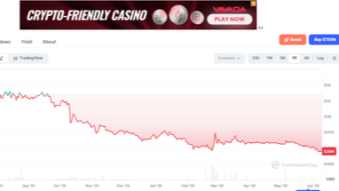
After a multi-week rally that pushed Pump into triple-digit returns, the air is noticeably thinner. These gains didn’t come from a wave of new mainstream entrants. They came from the same crypto native circle rotating capital and hoping they aren’t the last ones left holding exposure. That isn’t growth. It’s concentration. And concentration almost always ends the same way: with a sharp reset that catches people who assumed the cycle would last longer.
Pump.fun isn’t a scam or a miracle. It’s a moment.
A high-energy amusement ride that works best when you treat it exactly as that something you enjoy briefly, step off of intentionally, and never confuse for a long-term investment.